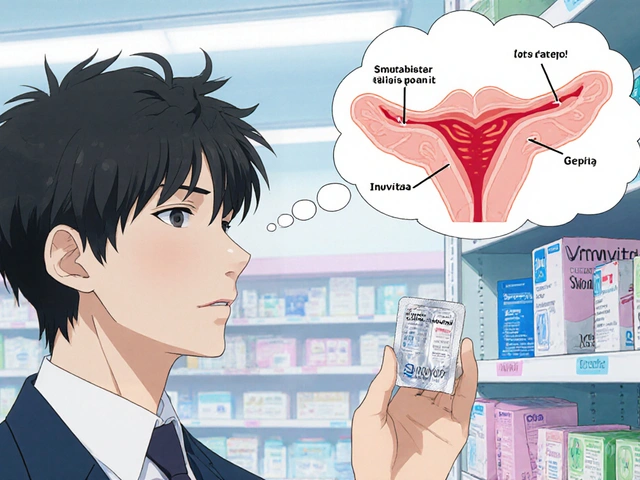
Medicaid Rebates
When you hear Medicaid rebates, mandatory discounts drug manufacturers pay to state Medicaid programs to cover prescription costs. Also known as drug rebate agreements, these aren’t optional perks—they’re legal requirements tied to participation in the program. Every time a pharmacy fills a Medicaid prescription, the drugmaker sends money back to the state based on a formula tied to the drug’s average manufacturer price. This keeps out-of-pocket costs low for patients and helps states stretch their budgets.
These rebates don’t just help patients. They also shape what drugs get covered in the first place. Pharmacies and state agencies use rebate amounts to decide which medications go on formularies. A cheaper drug with a bigger rebate often wins over a pricier one, even if it’s clinically similar. That’s why you might see your doctor prescribe a generic version—not just because it’s cheaper, but because the rebate makes it financially smarter for the system.
But here’s the catch: the rebate system doesn’t always translate to lower prices at the pharmacy counter. Some brand-name drugs still cost hundreds, even with rebates, because the list price is set way higher upfront. The rebate is calculated as a percentage of that inflated price, so the system rewards high list prices. That’s why you might see headlines about a drug costing $500,000 a year—rebates are part of the puzzle, but they don’t fix the root problem.
Medicaid rebates also tie into how drugs are negotiated. Unlike Medicare, Medicaid doesn’t directly negotiate prices. Instead, it uses the rebate system as leverage. Manufacturers who refuse to pay rebates get locked out of Medicaid entirely. That’s why nearly every major drugmaker participates—it’s the only way to reach over 80 million Americans on Medicaid.
Related to this are pharmacy rebates, discounts passed from manufacturers to pharmacies or pharmacy benefit managers. These are separate from Medicaid rebates and often hidden from patients. While Medicaid rebates go to the state, pharmacy rebates might end up in the pockets of middlemen, not you. That’s why your copay might stay the same even when the drug’s list price drops.
And then there’s the Medicaid program, the joint federal-state health insurance program for low-income individuals and families. It’s not just about who gets coverage—it’s about how drugs are priced within that coverage. The rebate rules are written into federal law, but each state runs its own version. Some states use rebates to cover more drugs. Others use them to cap spending. The result? A patchwork of systems where the same drug can have different rebates—and different costs—depending on where you live.
What you’ll find in the posts below isn’t just theory. It’s real-world insight into how drug pricing works behind the scenes. You’ll see how rebates affect access to medications like biosimilars, why some drugs vanish from shelves after rebate changes, and how patients end up paying more even when the system says they’re saving. These aren’t abstract policies—they’re the reason your prescription cost changed last month, or why your doctor switched your medication without telling you why.
How Government Controls Generic Drug Prices in the U.S. Today
By Lindsey Smith On 8 Dec, 2025 Comments (12)
The U.S. doesn't set generic drug prices directly, but Medicaid rebates, Medicare caps, and the 340B program help lower costs. Learn how government policies affect what you pay for generics today.
View More