Senior Drug Adjustments: What Older Adults Need to Know About Medication Safety
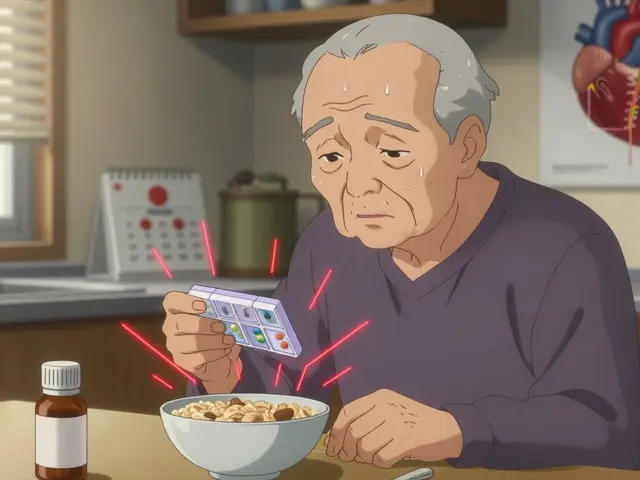
When you’re over 65, your body doesn’t process drugs the same way it did at 30. Senior drug adjustments, changes in medication dosing or type made for older adults to reduce risks and improve safety. Also known as geriatric dosing, these adjustments aren’t optional—they’re essential to avoid hospital visits, falls, confusion, and even death. As we age, our liver and kidneys work slower, fat increases, muscle decreases, and stomach acid drops. That means drugs stick around longer, build up in your system, and hit harder than they should. A dose that was perfect at 50 can become dangerous at 70.
Many seniors take polypharmacy, the use of five or more medications at once. Also known as multiple drug regimens, it’s common for people with arthritis, high blood pressure, diabetes, and heart issues—but it’s also the biggest risk factor for bad reactions. Think about it: if you’re on a statin for cholesterol, a blood thinner, a painkiller, a sleep aid, and a diuretic, those drugs don’t just sit quietly. They talk to each other. Grapefruit juice can make your statin too strong. Antacids can stop your antibiotics from working. Even over-the-counter cold meds can raise your blood pressure or make you dizzy. These aren’t rare cases—they happen every day in homes across the country.
It’s not just about what you take—it’s about how your body changes. Drug metabolism in seniors, how the body breaks down and eliminates medications as we age. Also known as pharmacokinetic changes, this process slows down by 20–50% in many people over 65. That means a drug like gabapentin or amitriptyline, often used for nerve pain, stays in your system longer and can cause drowsiness, confusion, or falls. The same goes for benzodiazepines, anticholinergics, and even some heart meds. Doctors don’t always know this. Many still prescribe the same doses they did 20 years ago. You have to speak up.
And it’s not just the drugs themselves—it’s the timing, the route, and the alternatives. Oral meds can be harder to absorb. Topical creams might seep into your blood more than expected. Injections can cause bruising or infection in thin skin. Sometimes, skipping a pill altogether is safer than taking a lower dose. That’s why combination therapies, like using ezetimibe with a low-dose statin, are becoming smarter choices for seniors. It’s not about cutting corners—it’s about working with your body, not against it.
What you’ll find below are real, practical guides written for people who are managing multiple meds, caring for aging parents, or just trying to stay safe while staying healthy. You’ll see how grapefruit juice messes with statins, why meclizine might be a bad choice for balance issues, how tretinoin creams can irritate older skin, and why tinidazole dosing needs to be adjusted for kidney function. These aren’t theoretical. They’re based on real cases, real side effects, and real people who learned the hard way. You don’t need to be a doctor to understand this. You just need to know your body is changing—and that’s okay. What matters now is making sure your meds match who you are today, not who you were 20 years ago.
Medication Dosage Adjustments for Aging Bodies and Organs: What Seniors and Caregivers Need to Know
By Lindsey Smith On 15 Nov, 2025 Comments (16)
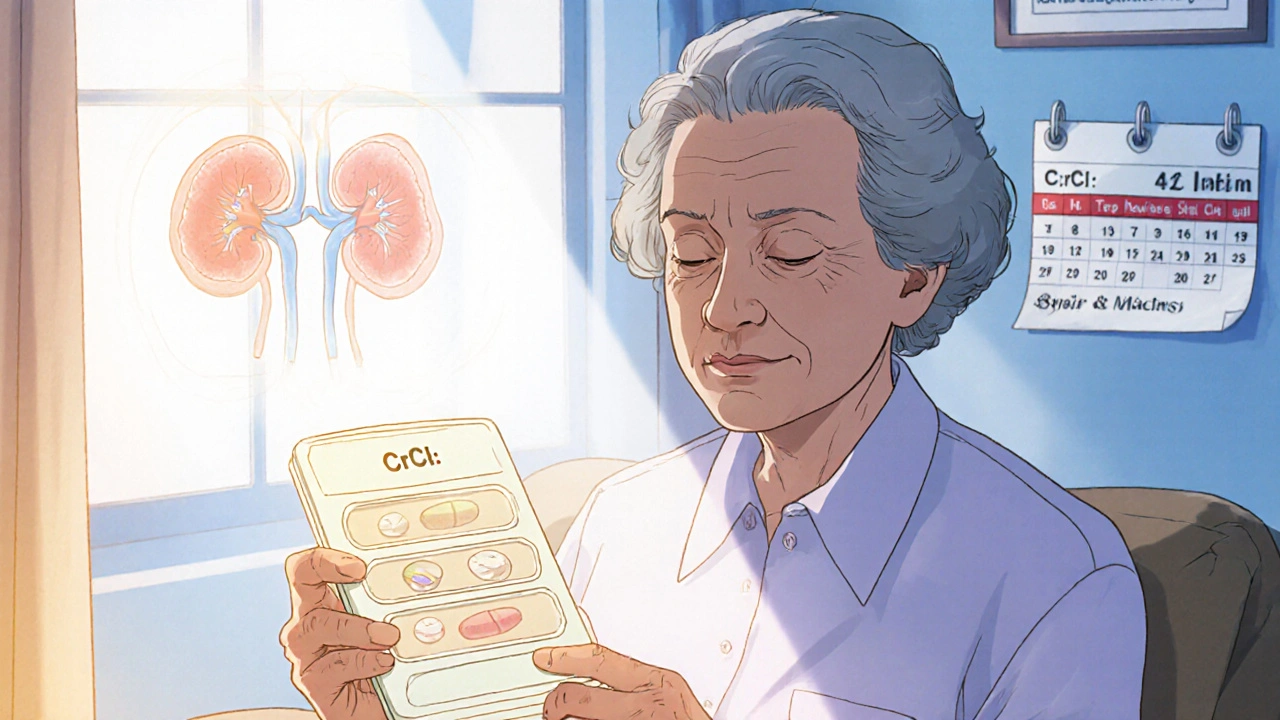
Aging changes how your body handles medication. Learn why seniors need lower doses, which drugs are risky, how kidney function affects dosing, and what you can do to avoid dangerous side effects.
View More