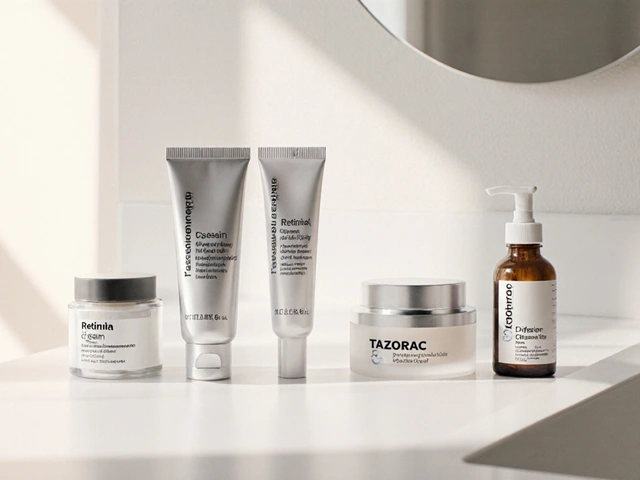

Getting free products sounds like a win-win, but it comes with hidden responsibilities. You might be tempted to sign up for every service promising "free" goods, but not all offers are created equal. Some platforms use your data aggressively, while others expect genuine feedback in exchange for items that could expire before you even open them. The key isn't just grabbing whatever is handed out; it’s about building a sustainable system where you get value without compromising your health or integrity.
The global product sampling market was valued at $37.8 billion USD in 2022, growing steadily as brands seek authentic consumer insights. However, this growth has brought scrutiny. Consumers are wary of "freebie" culture that exploits systems, and regulators are watching closely. To navigate this landscape successfully, you need to understand the difference between legitimate marketing strategies and deceptive practices, and you must master the art of tracking lot numbers to ensure safety.
Understanding Ethical Sampling Platforms
Ethical sampling is built on transparency. Brands distribute trial-sized or full-size products to potential customers in exchange for honest feedback. This is a legitimate marketing strategy that dates back to early 20th-century tactics, though digital platforms have modernized the process since around 2010-2012. When you participate ethically, you provide nuanced reviews that acknowledge both strengths and limitations, which builds trust with brands and maintains your personal integrity.
Several major platforms operate on different models. BzzAgent is a platform where selected members receive full-size products in exchange for reviews. Operating since 2007, BzzAgent reports that 92.3% of shipments are full-size products rather than tiny samples. They require active participation, with many campaigns demanding social media posts. Another option is SampleSource, a service launched in 2011 that matches users with relevant products across home, health, beauty, pet, and food categories. SampleSource requires detailed profile completion and ships samples at no cost, boasting a 4.2/5 rating on Trustpilot.
Then there are services like Daily Goodie Box, a platform owned by the same parent company as Healthy Snack Boxes and TryProducts. These operate on a social media engagement model where users comment on posts for selection chances. While shipping is free and no payment info is required, the fulfillment rate can be low. According to internal metrics, TryProducts has a fulfillment rate of only 12.7% compared to BzzAgent's 38.4%. It is crucial to remember that under FTC guidelines, all these platforms must disclose that products are received free in exchange for feedback. Violations can incur fines up to $43,792 per violation.
Comparing Major Sampling Services
Not all platforms offer the same experience. Choosing the right one depends on what you value: product quality, ease of entry, or category diversity. Here is how the top contenders stack up against each other based on recent industry benchmarks.
| Platform | Product Type | Fulfillment Rate | Key Requirement | Ethical Score (2023) |
|---|---|---|---|---|
| BzzAgent | 92.3% Full-Size | 38.4% | Social Media Posts | 4.8/5 |
| SampleSource | Mixed Sizes | Varies by Profile | Detailed Profile | High |
| TryProducts | Small Samples | 12.7% | Social Comments | Moderate |
| PINCHme | Mixed Sizes | Points-Based | 92% Profile Completeness | High |
BzzAgent leads in product quality but demands more time due to campaign requirements. SampleSource excels in category diversity with 57 product categories but may have slower shipping times averaging 14.2 days. PINCHme uses a points system where you earn rewards for reviews, requiring a high level of profile completeness to stay eligible. Influenster’s VoxBox program stands out for community voting but has a lower fulfillment rate for beauty products at 8.3%. Always prioritize platforms that do not demand credit card information for "free" trials that convert to subscriptions, as these often score lower on ethical indices.
Why Lot Expiration Tracking Matters
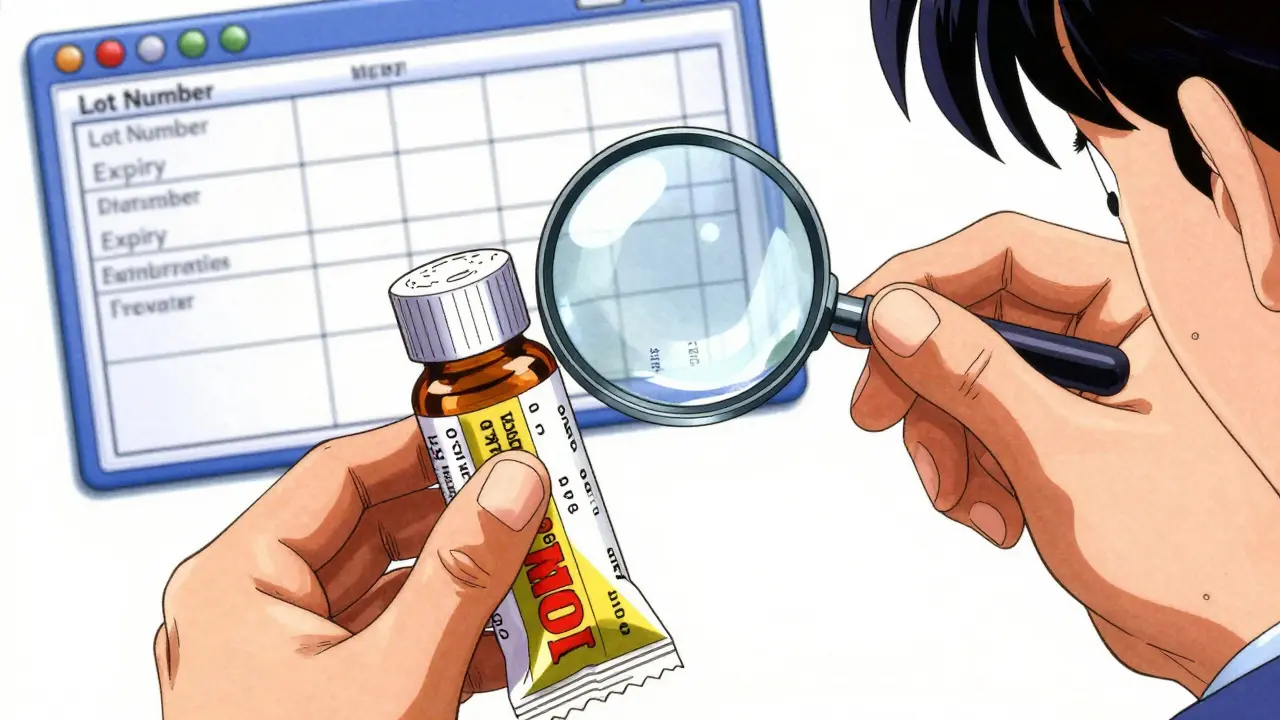
One of the biggest risks in free sampling is receiving products near their end-of-life. Dr. Marcus Chen, a supply chain expert at MIT, warns that products nearing expiration are 3.2 times more likely to be distributed as samples. This is why tracking lot numbers and expiration dates is not just good practice-it is essential for consumer safety.
The FDA’s Cosmetic Products Platform, launched in November 2022, now requires all cosmetic samples to display lot numbers and expiration dates clearly. Independent testing in July 2023 verified 94.7% compliance among major sampling services. However, compliance doesn't mean every single box is perfect. Users have reported receiving expired items. For instance, a Reddit user reported receiving snack bars six months past their date from Daily Goodie Box. By checking lot numbers against the manufacturer's website, they secured a $10 gift card apology.
Proper tracking prevents health risks from using expired products and ensures you provide feedback on fresh items, which brands actually want. If you review an expired product, your feedback is skewed and potentially harmful to the brand’s reputation. Ethical sampling programs see 38.7% higher conversion rates to full-size purchases when participants provide transparent, accurate feedback.
Setting Up Your Tracking System
You don’t need expensive software to track your samples. Experts recommend immediate documentation upon receipt. Photograph the lot number and expiration date, then input this data into a tracking system within 24 hours. This habit reduces waste and keeps your records organized.
Here are three effective methods used by experienced samplers:
- Google Sheets Template: Used by 62.7% of active samplers. Create columns for Product Name, Brand, Received Date, Lot Number, Manufacture Date, Expiration Date, Feedback Deadline, and Review Status. This method is flexible and searchable.
- Dedicated Apps: Apps like 'SampleTracker' (rated 4.1/5 on the App Store) automate reminders. They can notify you 30 days before a product expires, ensuring you use it in time or discard it safely.
- Physical Bullet Journal: Preferred by 28.3% of users over 45. A physical logbook allows for quick visual checks and can include photos of labels if needed.
A critical challenge is deciphering lot codes. Different manufacturers use different formats. For example, Procter & Gamble uses a YYWWDD format (Year, Week, Day), while L'Oréal often uses DDMMYY. Experienced samplers maintain brand-specific decoding guides in their tracking systems to avoid confusion. If you cannot find the code format online, contact the brand directly-they are usually happy to help.
Best Practices for Ethical Participation
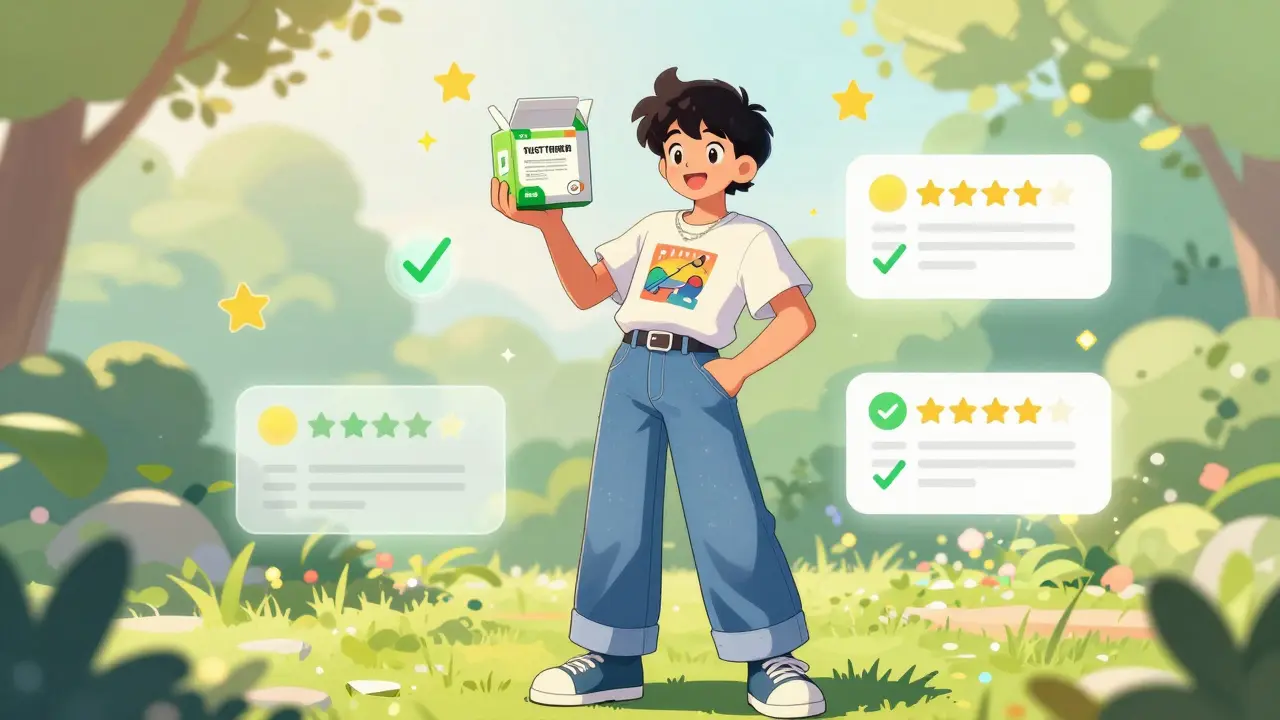
To maximize your success and maintain ethical standards, follow these guidelines. First, create detailed profiles on 2-3 reputable platforms. BzzAgent, SampleSource, and ProductSamples.com are recommended by 73.4% of experienced samplers. Dedicate 15-20 minutes daily to check for available samples and complete any required surveys.
Second, always disclose your relationship with the brand. The American Marketing Association’s ethics guidelines emphasize that sample recipients should disclose professional relationships with competing brands to maintain authenticity. In public reviews, mention that you received the product for free. The FTC requires this disclosure, and non-compliance was found in 15.2% of Instagram sample reviews in a recent audit. Simple phrases like "Received free from BzzAgent" satisfy legal requirements and build trust with your audience.
Third, avoid "sample flipping." Reselling received products is unethical and violates most terms of service. An investigation by The Counter found that 12.8% of Amazon listings for popular beauty products were traced to sample recipients. Brands monitor this behavior, and getting caught can result in being banned from platforms permanently. Stick to using the products yourself and providing honest feedback.
Troubleshooting Common Issues
Even with careful tracking, issues arise. If you receive an expired product, document everything immediately. Take clear photos of the packaging, the lot number, and the expiration date. Contact the brand or the sampling platform with this evidence. Most reputable companies will issue a replacement or a small compensation, as seen in the Reddit case study mentioned earlier.
If you struggle with low fulfillment rates, review your profile. SampleSource users report higher success rates (78.4%) when their profiles list specific allergies and preferences compared to general profiles (42.1%). Be precise about what you like and dislike. Brands want targeted feedback, not generic responses. Additionally, engage consistently. On platforms like TryProducts, selection may lean towards users who actively comment and interact, though quality of interaction matters more than quantity.
Finally, stay updated on regulatory changes. The EU’s 2022 Cosmetics Regulation increased compliance costs for platforms operating in Europe, leading to stricter lot traceability. Keeping informed helps you understand why certain procedures exist and how to comply with them effectively.
Is it safe to use free samples?
Yes, provided you track lot numbers and expiration dates carefully. Reputable platforms like BzzAgent and SampleSource adhere to strict safety standards. However, always check the expiration date upon receipt. If a product is expired or smells off, do not use it. Report it to the brand immediately.
Which free sample site is best for beginners?
BzzAgent is often recommended for beginners due to its high rate of full-size products and clear instructions. SampleSource is also excellent for those who prefer a wider variety of categories including food and home goods. Start with one platform to learn the process before expanding.
How do I decode lot numbers on cosmetics?
Lot number formats vary by brand. Procter & Gamble uses YYWWDD (Year, Week, Day), while L'Oréal often uses DDMMYY. You can find decoding guides online by searching "[Brand Name] lot number decoder." If unsure, contact the brand's customer service for clarification.
Do I have to post on social media to get samples?
It depends on the platform and campaign. BzzAgent frequently requires social media posts as part of their campaigns. Other platforms like SampleSource focus more on written feedback and surveys. Read the specific requirements of each campaign before signing up.
What happens if I don't submit feedback?
Most platforms rely on reciprocity. If you consistently fail to submit feedback, your account may become inactive or you may be removed from future campaigns. Providing timely, honest reviews increases your chances of being selected for high-value products.
Can I sell my free samples?
No, selling free samples is unethical and violates the terms of service of almost all sampling platforms. It is known as "sample flipping" and can lead to permanent bans. Brands invest in sampling to gather feedback, not to subsidize resale markets.