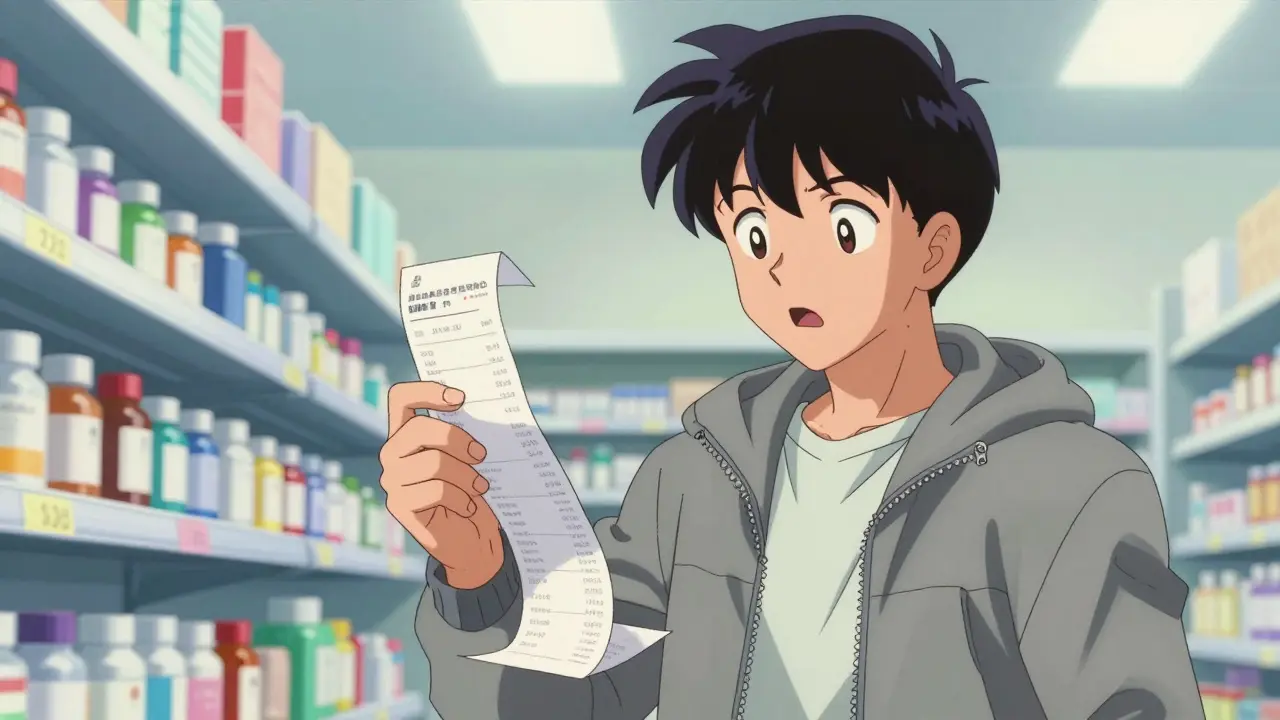
Have you ever stared at a pharmacy receipt, shocked by the price of a medication you’ve taken for years? You are not alone. Rising drug costs have turned a simple trip to the counter into a financial puzzle. This is where prescription discount programs step in. But here is the real question: do they actually save you money, or are they just another layer of complexity in an already confusing healthcare system?
The short answer is yes, but with major caveats. These tools can slash your bill by nearly 85% for some drugs, while offering almost zero savings for others. The difference usually comes down to whether your medication is generic or brand-name, and whether you have insurance. Let’s break down how these programs work, who benefits most, and where the hidden traps lie.
How Prescription Discounts Actually Work
To understand if a coupon will help you, you first need to know what kind of program you are using. There are three main types floating around, and they operate very differently behind the scenes.
First, there are third-party discount cards like GoodRx, a popular digital platform that negotiates lower cash prices with pharmacies, Blink Health, and SingleCare. These aren’t insurance. They don’t pool risk. Instead, they negotiate bulk pricing agreements with large pharmacy chains. When you show your code or app screen, the pharmacy charges you their negotiated "cash" rate, which is often lower than your insurance copay.
Second, we have manufacturer-sponsored coupons. These are provided directly by the drug company that makes the medicine. They typically come in the form of mail-in rebates or instant point-of-sale savings. The catch? They almost exclusively apply to brand-name drugs. Their goal is often to keep you on their specific product rather than switching to a cheaper generic alternative.
Third, there are Prescription Assistance Programs (PAPs). These are run by nonprofits, clinics, or manufacturers to provide free or deeply discounted meds to uninsured patients who meet strict income guidelines. A study from a Tennessee free clinic showed that PAPs saved qualifying patients an average of $3,649 per person over 13 months. However, the paperwork is heavy, requiring staff to spend hours verifying eligibility.
The Generic vs. Brand-Name Divide
If there is one rule to remember about prescription savings, it is this: generics win, brands lose. The data shows a stark contrast in how much you can save depending on the type of pill in your bottle.
For generic medications, discount cards are incredibly powerful. A 2022 analysis published in *Circulation: Cardiovascular Quality and Outcomes* found that discount cards delivered an average 65% discount on generic drugs. For example, a standard three-drug regimen for heart health dropped from a cash price of $52.80 to just $18.60. That is a massive difference for anyone paying out of pocket.
Brand-name drugs tell a different story. In the same study, when those same regimens included brand-name medications, the discount shrank to a mere 6.8% to 11.7%. The total bill dropped from $1,300.50 to $1,212.46. While saving $88 sounds nice, it doesn’t solve the affordability crisis for expensive specialty drugs. This is why experts warn that discount cards are great for routine maintenance meds but less effective for high-cost therapies.
| Medication Type | Average Discount | Example Savings | Best Tool |
|---|---|---|---|
| Generic Drugs | ~65% | $34.20 off $52.80 | Third-party cards (GoodRx) |
| Brand-Name Drugs | ~7-12% | $88 off $1,300 | Manufacturer Coupons |
| Specialty/Biologics | Variable (often low) | Minimal without PAP | Patient Assistance Programs |
Insurance Conflicts: The Medicare Trap
Here is where things get tricky. If you have insurance, especially Medicare Part D, you cannot always use these discounts. In fact, doing so might hurt you in the long run.
Medicare rules prohibit using manufacturer coupons for drugs covered under Part D. Why? Because Medicare counts your spending toward a threshold called "catastrophic coverage." Once you hit that limit, Medicare pays 80% of your remaining drug costs. Manufacturer coupons do not count toward this threshold because the money stays with the drug company, not the patient. So, if you use a coupon, you might pay less today, but you’ll stay below the threshold longer, potentially paying more out of pocket later in the year.
However, third-party discount cards like GoodRx sometimes offer better rates than your Medicare plan’s initial coverage phase. AARP research found that nearly half of seniors saved more than $5 per prescription using discount cards compared to their Medicare plan. But you must check with your pharmacist first. Some plans allow you to pay the cash price (using a discount card) instead of the copay, but it’s a gray area that requires careful navigation.
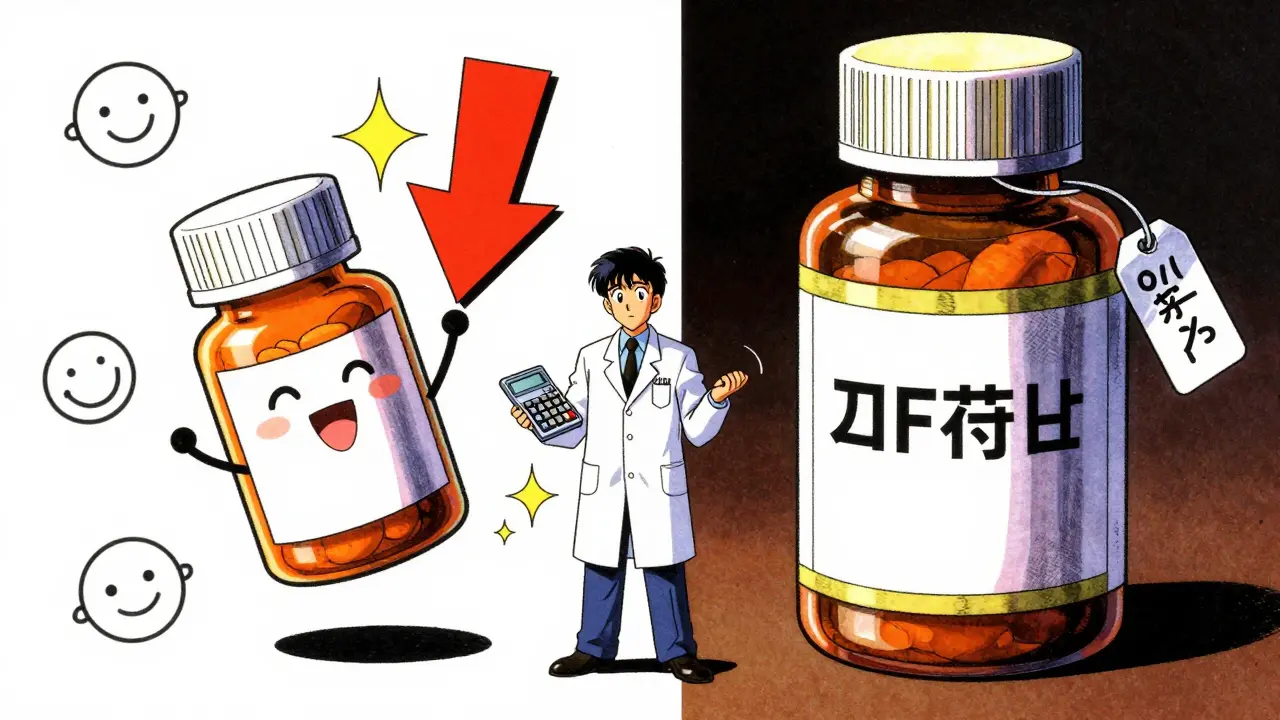
Do Coupons Increase Overall Healthcare Costs?
This is the controversial part. While individual patients save money, some experts argue that manufacturer coupons inflate the overall cost of healthcare. How? By encouraging people to buy expensive brand-name drugs instead of cheaper generics.
Research indicates that coupon use can increase demand for brand-name drugs by 60% or more. When a patient sees a $10 copay for a brand-name drug (thanks to a coupon) versus a $10 copay for a generic, they often stick with the brand. The drug company then has to reimburse the insurer, but the list price of the drug remains high. The Congressional Budget Office estimates this dynamic could add billions to Medicare spending annually.
Dr. Kao-Ping Chua from the University of Michigan noted that coupon frequency is tied more to market competition than actual patient need. Essentially, companies use coupons as a marketing tool to lock in customers, not necessarily to reduce systemic waste. So, while your wallet feels lighter, the broader healthcare system may be paying a higher price.
Real-World User Experiences
Numbers are useful, but personal stories reveal the friction points. On forums like Reddit, users share mixed results. One user reported saving $47.83 on a 90-day supply of metformin (a generic diabetes drug) using GoodRx. Another user tried to use a coupon for Lyrica (a brand-name nerve pain medication) and only saved $1.20.
Common complaints include:
- Inconsistent Pricing: Prices vary wildly between pharmacies. A drug might be $10 at one CVS and $45 at another, even with the same discount code.
- Pharmacist Confusion: About 28% of users report pharmacists being unfamiliar with certain discount programs, leading to awkward waits or failed transactions.
- App Fatigue: Users spend 5-15 minutes per prescription comparing prices across apps, which adds up over time.
Despite the hassle, satisfaction remains relatively high for generics. GoodRx holds a 4.3/5 rating on Trustpilot, with users praising the ease of the mobile interface. The key takeaway? Don’t assume every pharmacy will honor the lowest advertised price. Call ahead or check multiple locations.
Who Should Use These Programs?
Not everyone needs a discount card. Here is a quick guide to decide if it’s worth your time:
- Uninsured Patients: Absolutely use them. Third-party cards are your best friend for keeping generic costs manageable.
- High Deductible Plan Holders: If you haven’t met your deductible, you are paying full cash price anyway. Discount cards can cut that bill significantly.
- Medicare Part D Enrollees: Be cautious. Check if the discount card price is lower than your copay, but remember it won’t count toward your catastrophic threshold.
- Brand-Name Drug Users: Look for manufacturer coupons first. If none exist, consider asking your doctor about therapeutic substitution-switching to a clinically equivalent, cheaper alternative.
Future Trends and Regulatory Changes
The landscape is shifting. The 2024 Inflation Reduction Act introduced Medicare drug negotiations, which cap out-of-pocket costs at $2,000 annually starting in 2025. This reduces the urgency for some seniors to hunt for discounts. Additionally, the Federal Trade Commission is investigating potential anti-competitive effects of manufacturer coupons.
Looking ahead, expect to see more integration between telehealth platforms and discount tools. AI-driven price comparison tools are already being piloted by major pharmacy chains, promising to automate the search for the lowest price. As Dr. Stacie Dusetzina of Vanderbilt University predicts, the most sustainable models will be those integrated directly with insurance benefit design, rather than operating as separate, parallel systems.
Can I use GoodRx with my insurance?
Generally, no. You must choose either your insurance copay or the GoodRx cash price. Using GoodRx means you are paying out-of-pocket, and that amount usually does not count toward your insurance deductible or maximum out-of-pocket limits.
Are manufacturer coupons safe to use?
Yes, they are legitimate and widely used. However, be aware that they may not count toward your insurance thresholds, particularly for Medicare Part D beneficiaries. Always verify with your pharmacist if using a coupon affects your coverage status.
Why do discount prices vary so much between pharmacies?
Pharmacies negotiate different contract rates with discount providers like GoodRx or SingleCare. Independent pharmacies may have different overhead costs than large chains, leading to varied pricing. It is always worth checking 2-3 local options before buying.
Do discount cards cover brand-name drugs effectively?
Usually not. Discount cards excel with generics, offering up to 65% off. For brand-name drugs, savings are often minimal (under 12%). For significant brand-name savings, look for manufacturer-specific coupons or Patient Assistance Programs.
Is it better to ask for a generic or use a coupon?
Always ask for a generic first. Generics are typically far cheaper than even the most discounted brand-name drugs. If a generic is available and clinically appropriate, it will almost always be the most cost-effective option.