
Fluoroquinolone Tendon Risk Calculator
Assess Your Tendon Rupture Risk
This tool estimates your risk of tendon rupture while taking fluoroquinolone antibiotics based on your personal factors. Fluoroquinolones like ciprofloxacin and levofloxacin carry serious tendon risks that may persist even after stopping the medication.
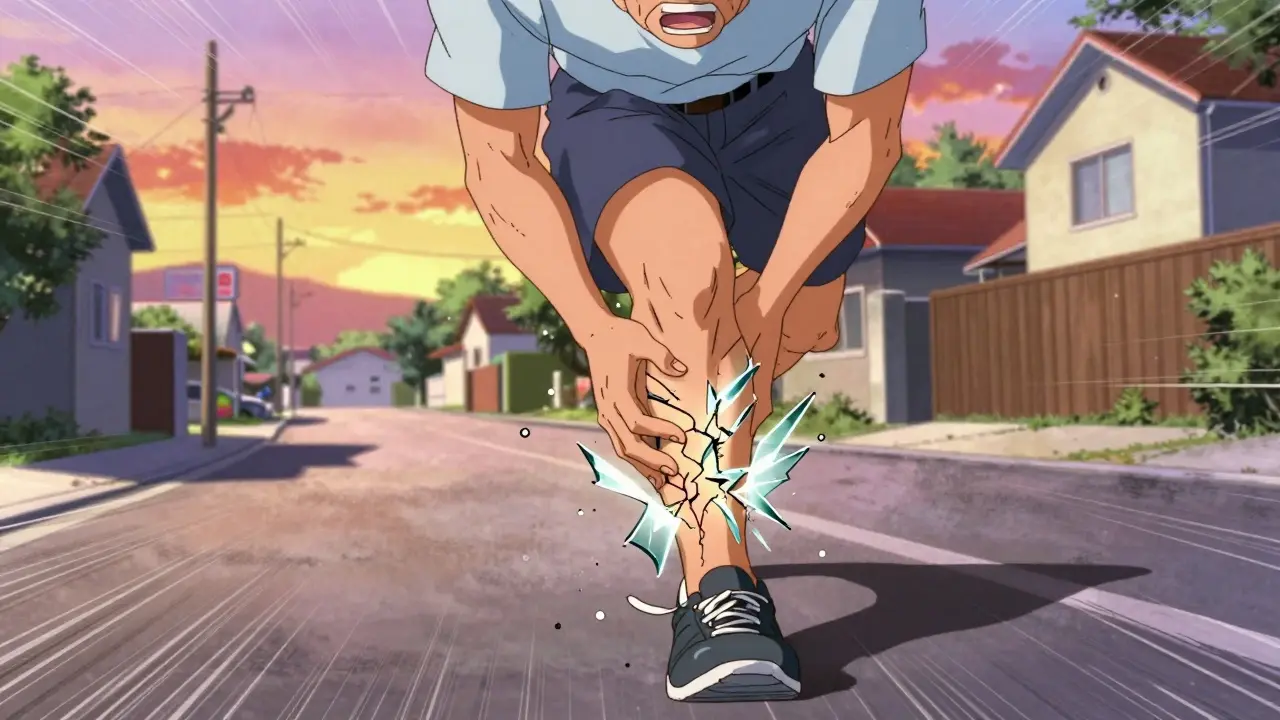
When you take an antibiotic like ciprofloxacin or levofloxacin for a stubborn infection, you’re probably not thinking about your tendons. But for some people, these common drugs can trigger something dangerous-tendon rupture. It doesn’t happen to everyone, but when it does, it can happen fast, without warning, and often in the most critical tendon in the body: the Achilles.
Why Fluoroquinolones Are Different
Fluoroquinolones are powerful antibiotics. They’ve been used since the 1980s to treat everything from urinary tract infections to pneumonia and even anthrax. But over time, doctors started seeing a pattern: patients on these drugs were showing up with sudden, severe tendon pain-and sometimes, their tendons snapped. The fluoroquinolones most linked to this problem are levofloxacin, ciprofloxacin, and moxifloxacin. Together, they account for over 90% of reported tendon injuries. The Achilles tendon is hit hardest-nearly 90% of cases involve it. And in about half of those cases, both Achilles tendons are affected. What makes these antibiotics different from others? They don’t just kill bacteria. They interfere with how your body’s cells repair themselves. Fluoroquinolones can trigger cell death in tendon tissue, reduce collagen production, and disrupt the energy supply in tendon cells by damaging mitochondria. They also pull away essential minerals like magnesium and calcium, which tendons need to stay strong and flexible.How Fast Can It Happen?
You might think tendon damage takes weeks or months to develop. But it doesn’t always. The median time from starting a fluoroquinolone to first signs of pain is just six days. About 85% of people who develop tendinopathy notice symptoms within the first month. And here’s the scary part: symptoms can show up even after you’ve stopped taking the drug-sometimes weeks or months later. One case study documented someone feeling tendon pain just two hours after taking their first pill. Another patient ruptured their Achilles tendon on day three of treatment. These aren’t rare outliers. They’re documented in medical journals and reported to global safety databases.Who’s at the Highest Risk?
Not everyone who takes a fluoroquinolone will have a problem. But certain factors make tendon rupture far more likely:- Age 60 and older: Your tendons naturally weaken with age. Combine that with fluoroquinolones, and your risk jumps dramatically. People over 80 have a 20 times higher risk than younger adults.
- Taking corticosteroids: This is the biggest red flag. If you’re on prednisone or another steroid-whether for asthma, arthritis, or an autoimmune condition-your risk of tendon rupture increases by up to 46 times when you add a fluoroquinolone.
- Diabetes or kidney disease: These conditions already affect how your body repairs tissue. Fluoroquinolones make it worse.
- Previous tendon injury: If you’ve had a torn tendon before, you’re much more likely to have another one on these antibiotics.
- Organ transplant recipients: These patients often take steroids and have weakened connective tissue, making them especially vulnerable.
The Evidence Is Mixed-but the Warnings Are Real
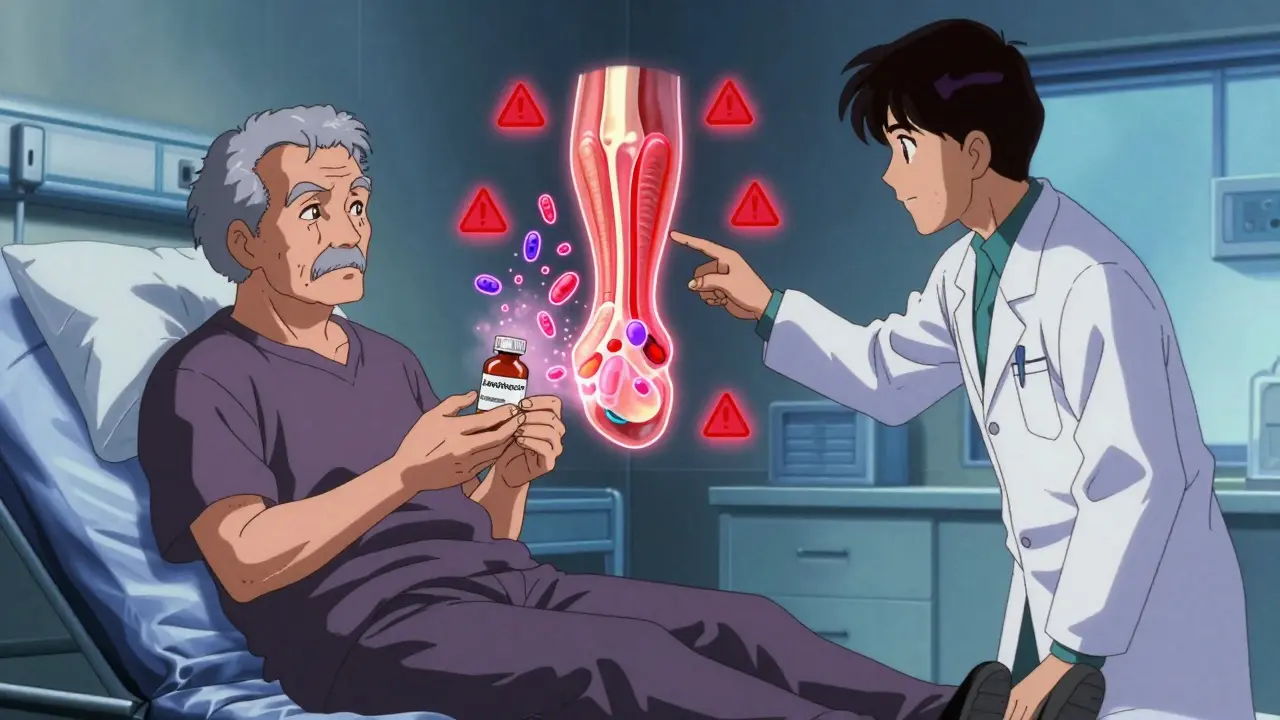
Some studies say fluoroquinolones aren’t that risky. A 2022 study in Japan looked at 504 patients with Achilles ruptures and found no clear link to these antibiotics. But that study had limitations-it was small and only looked at third-generation fluoroquinolones. It didn’t account for steroid use or age. Meanwhile, larger, more comprehensive studies tell a different story. A UK analysis of over 6 million people found fluoroquinolone users were more than four times as likely to develop tendinitis and twice as likely to suffer a rupture. A Taiwan study tracking over 350,000 people confirmed a 42% higher rate of tendon disorders in those taking fluoroquinolones. The U.S. Food and Drug Administration (FDA) issued a black-box warning in 2008-the strongest type of warning they can give. They updated it again in 2013 and 2018 to stress that these side effects can be disabling and permanent. The European Medicines Agency and the UK’s MHRA have imposed strict limits: fluoroquinolones should only be used when no other antibiotic will work.What You Should Do If You’re Prescribed One
If your doctor suggests a fluoroquinolone, ask these questions:- Is this the only option? Are there safer antibiotics that could work?
- Am I on any steroids or other medications that could increase my risk?
- Do I have diabetes, kidney problems, or a history of tendon issues?
- What symptoms should I watch for-and what do I do if they show up?
- Sudden pain or swelling in a tendon, especially the Achilles, shoulder, or hand
- Stiffness or tightness in the area
- Pain that gets worse with movement
- A popping or snapping sensation (this means rupture has likely happened)
What Doctors Are Doing Differently Now
Because of the risks, guidelines have changed. The Infectious Diseases Society of America now says fluoroquinolones should be a last resort-not a first choice-for common infections like sinusitis, bronchitis, or simple UTIs. Many doctors now avoid them entirely in patients over 60, especially if they’re on steroids. Pharmacists are required to hand out updated medication guides when you pick up a fluoroquinolone prescription. These guides clearly state: “Tendon pain or swelling may be a sign of serious injury. Stop taking this medicine and contact your doctor right away.”What If You’ve Already Had a Tendon Injury?
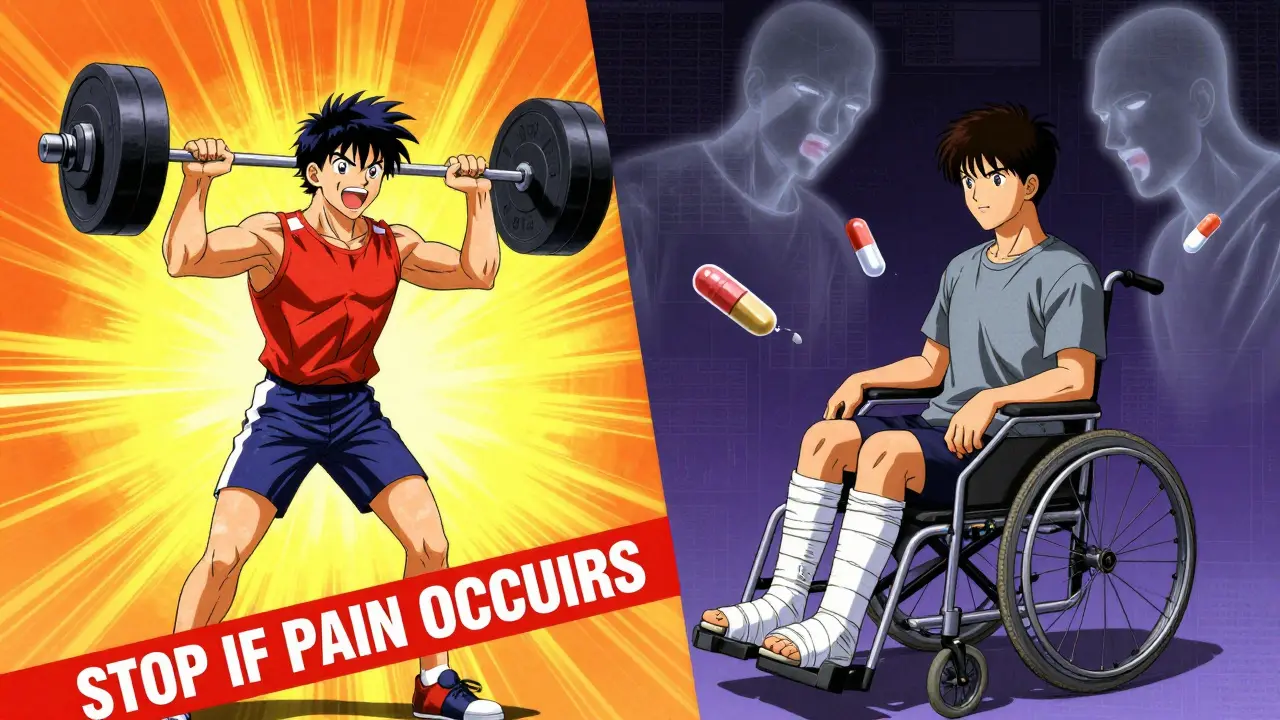
If you’ve had a tendon rupture while on a fluoroquinolone, you’re at higher risk of another one-even if you never take the drug again. Your tendons may have been permanently weakened. Avoid high-impact activities. Consider physical therapy to strengthen surrounding muscles. And tell every new doctor you see about this history.Final Thoughts
Fluoroquinolones save lives. They’re essential for treating life-threatening infections like sepsis, complicated pneumonia, or anthrax. But for everyday infections? The risks often outweigh the benefits. You have the right to ask for safer alternatives. You have the right to know the full picture before you take a drug. And if you start feeling tendon pain while on one of these antibiotics-don’t ignore it. It’s not just soreness. It could be the beginning of something permanent.Can fluoroquinolones cause tendon rupture even after you stop taking them?
Yes. While most tendon problems start during treatment, symptoms-including rupture-can appear weeks or even months after stopping the drug. This delayed onset makes it harder to connect the injury to the medication, but it’s well-documented in medical literature and safety reports.
Which fluoroquinolone has the highest risk of tendon rupture?
Levofloxacin carries the highest risk, followed by ciprofloxacin. Moxifloxacin is less commonly linked, but still carries a known risk. All fluoroquinolones carry a black-box warning from the FDA, so none should be considered safe for high-risk patients.
Is tendon damage from fluoroquinolones reversible?
Mild tendinitis may improve if caught early and the drug is stopped. But once a tendon ruptures, full recovery is rare. Surgery is often needed, and many patients experience lasting weakness, pain, or reduced mobility-even after rehabilitation.
Can I take fluoroquinolones if I’m over 60?
Doctors should avoid prescribing them to patients over 60 unless there’s no other option. If you’re in this age group and prescribed one, ask why it’s necessary and whether a safer alternative exists. The risk of rupture increases sharply with age, especially if you’re also on steroids or have kidney issues.
What should I do if I feel tendon pain while on a fluoroquinolone?
Stop taking the medication immediately. Contact your doctor or go to urgent care. Do not wait. Rest the affected area, avoid weight-bearing activity, and get imaging if needed. Early action can prevent a full rupture.



Glenda Marínez Granados
January 21, 2026 AT 10:06Steve Hesketh
January 23, 2026 AT 03:06MARILYN ONEILL
January 23, 2026 AT 18:34Coral Bosley
January 25, 2026 AT 05:24shubham rathee
January 26, 2026 AT 05:56Kevin Narvaes
January 26, 2026 AT 21:23Dee Monroe
January 28, 2026 AT 07:01Rod Wheatley
January 28, 2026 AT 16:19Samuel Mendoza
January 29, 2026 AT 02:45Sangeeta Isaac
January 29, 2026 AT 16:22Alex Carletti Gouvea
January 30, 2026 AT 22:34Philip Williams
January 30, 2026 AT 23:00Yuri Hyuga
February 1, 2026 AT 18:47