

What Is Phantom Limb Pain?
Phantom limb pain isn’t in your head - it’s in your brain. Even after a leg, arm, or finger is gone, your nervous system keeps sending pain signals as if the limb were still there. People describe it as burning, stabbing, cramping, or tingling deep in the missing limb. It’s not imaginary. Brain scans show real activity in the areas that once controlled the amputated limb. Around 60% to 85% of amputees experience this, and for many, it starts within weeks of surgery.
The pain doesn’t come from the stump. It comes from the brain rewiring itself after losing sensory input. When nerves are cut during amputation, they send chaotic signals. The brain, used to receiving messages from that limb, tries to make sense of the noise. Over time, nearby body parts - like the face or chest - start taking over those brain zones. That’s why touching your cheek might feel like your missing hand is being squeezed. This is called cortical remapping, and it’s the core reason phantom pain sticks around.
Why Medications Are Often the First Step
Most doctors start with medication because it’s fast, accessible, and backed by decades of use. The goal isn’t to eliminate pain completely - it’s to reduce it enough to let you sleep, move, and live better.
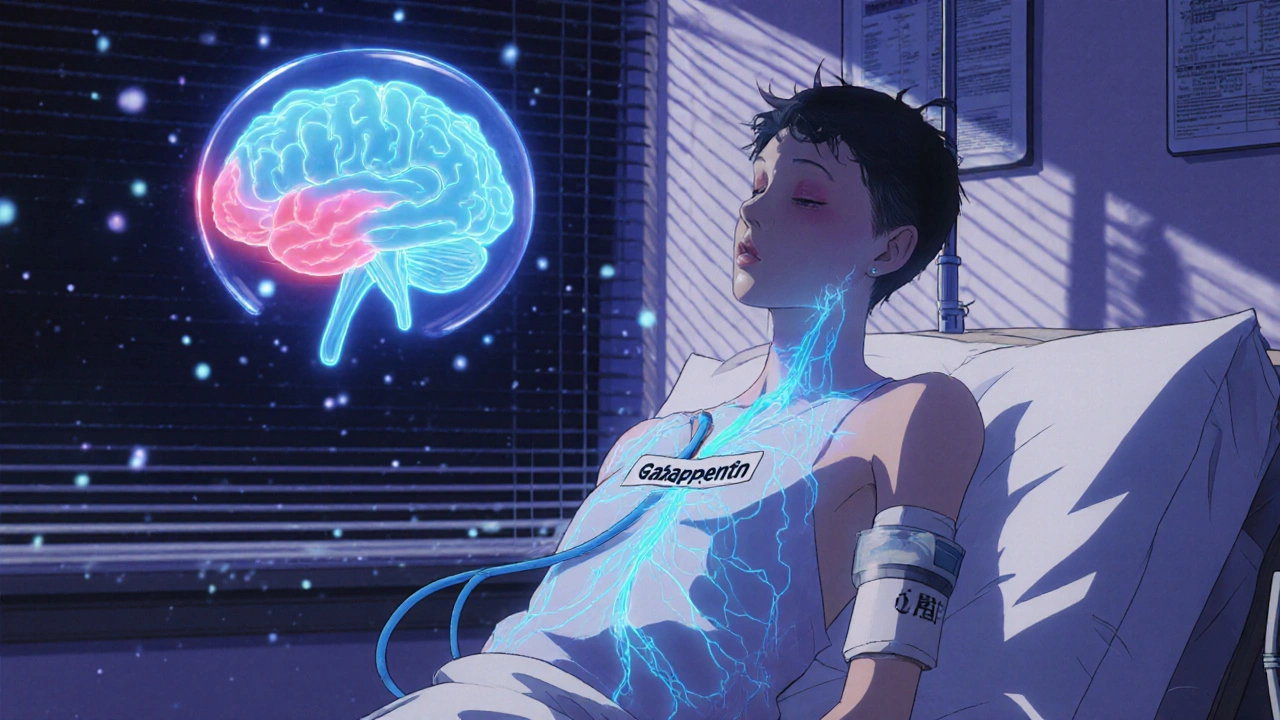
Tricyclic antidepressants like amitriptyline and nortriptyline are the most common first-line drugs. You might think antidepressants are for depression, but they work here by calming overactive nerve signals. A typical dose starts at 10 mg at bedtime, slowly rising to 50-75 mg. Side effects? Drowsiness, dry mouth, weight gain. About 45% of users report moderate relief, but 60% quit because they feel too sleepy.
Anticonvulsants like gabapentin and pregabalin were originally for seizures, but they’re great for nerve pain. Gabapentin starts at 300 mg daily, building up to 900-3,600 mg. Pregabalin is stronger, dosed at 75-600 mg. In Reddit’s amputee community, 72% said gabapentin helped - but 58% stopped because of dizziness or brain fog. These drugs take weeks to work and aren’t magic bullets.
NSAIDs like ibuprofen and naproxen? They help a little at first - 65% of users feel some relief. But after 3-6 months, 80% say it fades. They don’t touch the nerve pain directly, just the inflammation around the stump.
For tough cases, doctors turn to ketamine, an IV drug that blocks NMDA receptors. It’s not for daily use - it’s for short bursts in clinics. One study showed 50-70% pain drop in people who didn’t respond to anything else. But it’s expensive, requires monitoring, and can cause hallucinations.
Opioids like oxycodone or morphine? They’re a last resort. Yes, they work. But the risk of dependence is real. The American Pain Society warns against going over 50 morphine milligram equivalents (MME) daily. One in three long-term users end up struggling with addiction.
Mirror Therapy: Seeing Is Believing
Mirror therapy flips the script. Instead of fighting the pain with chemicals, you trick your brain into thinking the missing limb is still there - and moving without pain.
Here’s how it works: You sit with a mirror standing vertically, blocking your residual limb. Your healthy limb is placed in front of the mirror. As you move your good hand or foot, the mirror makes it look like the missing limb is moving too. Your brain sees the movement and starts to believe the phantom limb is responding - and not hurting.
Studies show this reduces pain in 50-70% of people who stick with it. But here’s the catch: 40% quit within eight weeks because it feels silly or they don’t see results fast enough. Success needs consistency - 15 to 30 minutes a day, five days a week. Start with simple movements: opening and closing fingers, pointing toes. Gradually add more complex motions like waving or walking in place.
It’s not a cure. But for many, it’s the first time they feel like they’re regaining control. One patient in Bristol told me she used a cheap kitchen mirror taped to a bookshelf. After six weeks, her burning pain dropped from an 8/10 to a 4/10. She didn’t need more pills. She just needed to see her hand move again.
Other Non-Medication Options That Work
If pills and mirrors aren’t enough, there are more tools.
TENS units send tiny electrical pulses through pads on your stump. They don’t fix the brain, but they overload the nerves with non-pain signals. About 30-50% of users get relief. You need to get trained - wrong placement or settings won’t help. A good device costs around £100-£200 and is often covered by the NHS.
Botulinum toxin (Botox) injections might sound odd for pain, but they work on nerve endings near neuromas - painful knots of scar tissue. A few shots can cut pain and sweating by 50-70% for up to 12 weeks. It’s not widely available, but pain clinics in Bristol and Manchester offer it.
Spinal cord stimulation is for severe, long-term cases. A small device is implanted near your spine. It sends gentle pulses that block pain signals before they reach the brain. Recent FDA-approved systems like Saluda Medical’s Evoke show 65% average pain reduction. It’s surgery, it’s expensive, but for some, it’s life-changing.
Biofeedback teaches you to control your body’s stress responses. With sensors on your skin, you learn to lower muscle tension and heart rate - both of which can worsen phantom pain. Studies show 25-40% improvement with regular practice.
What Doesn’t Work - and Why
Not everything gets results. Some things you hear about are myths.
Acupuncture? Some people swear by it, but there’s no solid proof it works better than placebo for phantom pain. Same with hypnosis - it helps with anxiety, but not the nerve signals causing the pain.
And while early epidural anesthesia was thought to prevent phantom pain, research now shows it doesn’t. The pain comes from brain rewiring, not the surgery itself.
Also, don’t assume that if one drug fails, all will. Gabapentin didn’t help? Try pregabalin. Amitriptyline made you too tired? Switch to nortriptyline. Finding the right mix takes time - and patience.

Combining Treatments Is the Real Key
No single treatment works for everyone. The best results come from stacking methods.
Imagine this: You take a low dose of amitriptyline at night to help you sleep and dull the burning. During the day, you do 20 minutes of mirror therapy. On weekends, you use your TENS unit while watching TV. If pain flares, your doctor adds a Botox shot. This layered approach is what top pain clinics now recommend.
The future is even brighter. New spinal cord stimulators can adjust automatically based on your movement. Virtual reality mirror therapy is being tested - instead of a physical mirror, you wear a headset and see a digital limb moving. Early trials show 85% adherence because it feels more immersive.
By 2030, experts predict a 40% drop in chronic phantom pain cases because of early, combined treatment. The message? Don’t wait. If you’ve had pain for more than six months, it won’t go away on its own. Start now.
Where to Get Help
You’re not alone. The Amputee Coalition supports over 12,000 people a year with peer groups, resources, and clinic referrals. Most major hospitals now have specialized pain teams that include neurologists, physiotherapists, and psychologists trained in phantom limb pain.
If you’re in the UK, ask your GP for a referral to a pain management clinic. NHS services cover TENS devices, medications, and sometimes spinal stimulation. Private clinics offer faster access - but check if your insurance helps.
And if you’re feeling isolated, talk to someone who’s been there. Online forums like r/amputee on Reddit are full of real stories - not just facts, but how people got through it. You don’t have to figure this out by yourself.
Is phantom limb pain all in my head?
No. Phantom limb pain is a real neurological condition. Brain scans show activity in areas that once controlled the missing limb. It’s not psychological - it’s your nervous system misfiring after amputation. The pain is physical, even though the limb isn’t there.
How long does phantom limb pain last?
For many, pain eases in the first few months. But if it lasts more than six months, it’s unlikely to disappear without treatment. Studies show the chance of it resolving on its own after six months is slim to none. Early intervention improves outcomes significantly.
Can mirror therapy really help?
Yes, for many people. Mirror therapy tricks the brain into seeing movement in the missing limb, which helps rewire painful signals. About 50-70% of users report reduced pain after consistent daily practice. It doesn’t work overnight, but it’s safe, low-cost, and has no side effects.
What’s the best medication for phantom limb pain?
There’s no single best drug. Tricyclic antidepressants like amitriptyline and anticonvulsants like gabapentin are most commonly used. Effectiveness varies by person. Many need to try 2-3 medications before finding one that works. Always start low and increase slowly under medical supervision.
Are opioids safe for phantom limb pain?
Opioids can help in severe cases, but they carry high risks of dependence and side effects. Experts recommend limiting them to short-term use and only when other treatments fail. The American Pain Society advises staying under 50 morphine milligram equivalents (MME) daily to reduce addiction risk.
Can I do mirror therapy at home?
Absolutely. All you need is a mirror and a quiet space. Place the mirror so the reflection of your intact limb looks like the missing one. Move your good limb slowly while watching the reflection. Do it for 15-30 minutes daily. Many people start with a simple kitchen mirror before buying a specialized mirror box.
What triggers phantom limb pain?
Common triggers include stress, fatigue, cold weather, pressure on the residual limb, ill-fitting prosthetics, infections, and even changes in barometric pressure. Keeping a pain journal helps you spot your personal triggers and avoid them.
Is phantom limb pain more common after certain types of amputations?
Yes. People who had chronic pain before amputation, or whose amputation was due to cancer or trauma, are more likely to develop severe phantom pain. Pain on the day of surgery is also a strong predictor. Early, aggressive pain control during surgery may help reduce the risk.

Mark Rutkowski
November 13, 2025 AT 22:30It’s wild how the brain refuses to let go of a limb it once owned. This isn’t just pain-it’s a ghost haunting neural pathways. The fact that mirror therapy works by tricking the cortex into rewiring itself feels like science fiction, but it’s real. I’ve seen people go from curled up in bed to walking again, not because the limb came back, but because the brain finally stopped screaming. The real tragedy isn’t the amputation-it’s how long we wait to treat the mind that still remembers.
Alex Ramos
November 15, 2025 AT 09:34Just wanted to add-TENS units aren’t magic, but they’re cheap and non-invasive. I got mine for $80 on Amazon, put the pads on my stump, and turned it up until it felt like a buzzing massage. Didn’t kill the pain, but made it bearable enough to sleep. Also, if you’re on gabapentin and feel like your brain is made of wet cotton, try pregabalin. Half the dose, twice the clarity. And yes, mirror therapy works if you do it daily. No excuses.
Ryan Everhart
November 16, 2025 AT 21:51So we’re telling people to stare at a mirror and pretend their missing hand is waving? Brilliant. Next they’ll sell us a VR headset that shows a digital phantom doing yoga. At least the mirror’s free. I’m just surprised it took this long for medicine to catch up to what a 12-year-old could’ve figured out with a bathroom mirror and a bad mood.
Erica Cruz
November 17, 2025 AT 23:44Let’s be real-this whole phantom pain thing is just Big Pharma’s way of selling more drugs. Mirror therapy? Sounds like a placebo with a gimmick. The real issue is that amputees are being sold a narrative: ‘Your brain is broken, here’s a pill.’ Meanwhile, the fact that trauma survivors often develop chronic pain after limb loss is ignored because it doesn’t fit the neurochemical model. Who profits when you treat the mind instead of the nerve? Not the FDA.
Alyssa Lopez
November 18, 2025 AT 18:39Yall need to stop with this mirror bs. In the US we got real medicine. Ketamine clinics, spinal stimulators, the whole shebang. Why waste time with a damn mirror when you can get a $50k implant that shuts the pain down? This is America-we don’t stare at reflections, we fix things with tech. If you can’t afford it, that’s your problem. Not the system.
Esperanza Decor
November 20, 2025 AT 10:12I lost my leg in a motorcycle crash in 2019. First year, I was on gabapentin, then amitriptyline, then a low-dose oxycodone. Nothing worked long-term. Then I bought a $15 mirror from Target, taped it to my desk, and started moving my good foot for 20 minutes every morning. Week 3, I cried because I felt my phantom toe wiggle-without pain. It didn’t vanish, but it stopped screaming. Now I do it while watching Netflix. No pills. No doctors. Just a mirror and stubbornness. If you’re still suffering, try it before you try another prescription.
David Barry
November 22, 2025 AT 09:11Here’s the thing nobody says: phantom pain isn’t about the limb. It’s about grief. The brain doesn’t just remember the limb-it remembers the life you had before you lost it. Mirror therapy works because it’s not about pain control. It’s about reclaiming agency. You’re not training your nerves. You’re training your soul to believe you’re still whole. That’s why drugs fail. You can’t chemically cure a broken identity.
Deepa Lakshminarasimhan
November 22, 2025 AT 20:59They say mirror therapy helps. But what if the mirror is being used to hide something else? Who controls the reflection? Who decides what the brain sees? I’ve seen videos-those VR systems are made by defense contractors. What if they’re not healing the pain… but programming it? You think this is medicine? It’s surveillance with a side of hope.