

Imagine waking up with a burning, tingling rash that wraps around your torso like a belt, accompanied by pain so intense it feels like electric shocks. That is the reality of shingles. For many, the nightmare doesn't end when the rash clears; they are left with permanent nerve pain that can last for years. Fortunately, we have a highly effective way to prevent this, but there is often confusion about who actually needs the shot and which version is the right one. If you are wondering whether you fit the criteria for the recombinant zoster vaccine is a non-live, adjuvanted vaccine designed to prevent herpes zoster and its complications, you've come to the right place.
The Bottom Line: Who Should Get Vaccinated?
The general rule is straightforward: if you are 50 or older, you should get the vaccine. Regardless of whether you've had shingles before or if you received the older live vaccine years ago, the current standard of care is a two-dose series of the recombinant vaccine. However, the window for protection opens much earlier for some. Adults aged 19 and older who are immunocompromised-either due to a disease or medical therapy-are also strongly recommended to get the shots to protect themselves from the virus.
| Group | Eligibility Age | Recommendation |
|---|---|---|
| Immunocompetent Adults | 50+ years | Routine 2-dose series |
| Immunocompromised Adults | 19+ years | Priority 2-dose series |
| Prior Shingles Patients | 50+ years | Recommended regardless of past infection |
Why This Vaccine Replaced the Old Version
You might remember Zostavax, the live-attenuated vaccine used for years. To put it bluntly, it wasn't nearly as good. Zostavax was only about 51% effective at preventing shingles. Because it contained a live virus, it also couldn't be given to people with weakened immune systems without risking the very infection it was meant to prevent.
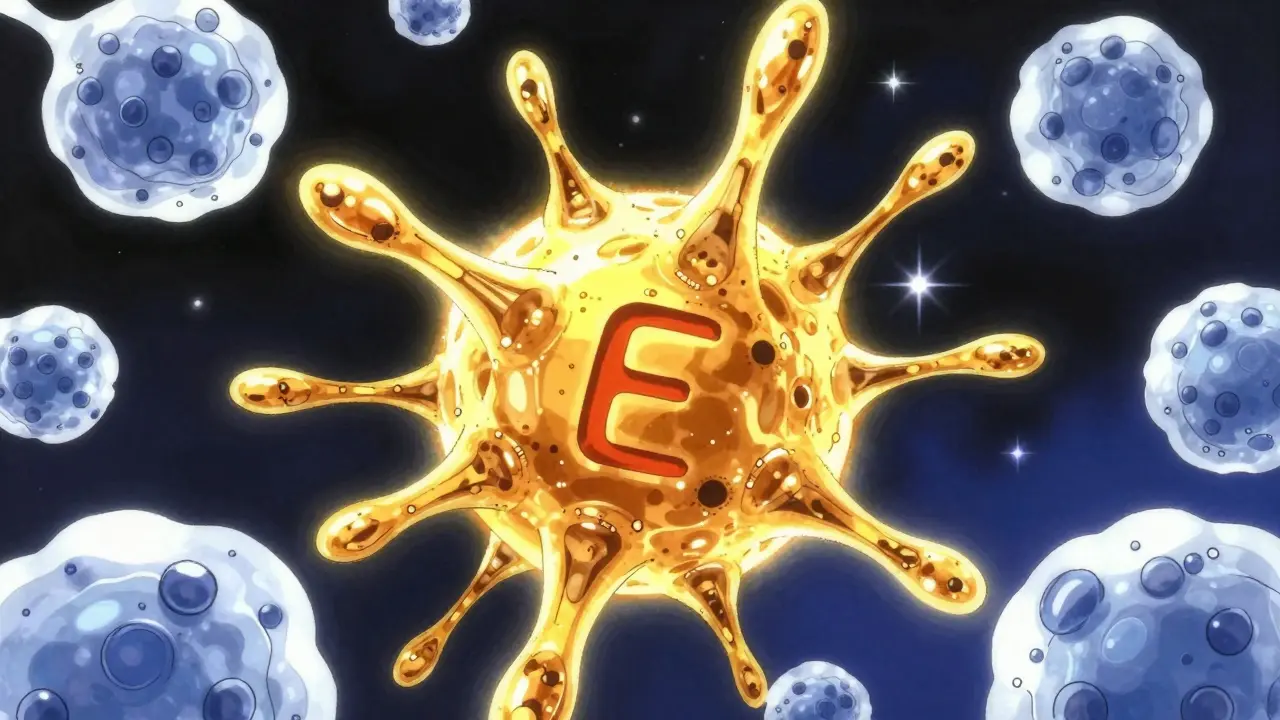
Enter Shingrix, the brand name for the recombinant zoster vaccine. This is a non-live vaccine, meaning it uses a specific piece of the virus (a glycoprotein E antigen) and an adjuvant system called AS01B to "wake up" the immune system. The difference in results is staggering. Shingrix is over 90% effective across almost all age groups. Specifically, it hits 97.2% efficacy for people aged 50-59 and stays above 91% even for those 70 and older. It's so superior that Zostavax was completely phased out of the U.S. market by November 2020.
Stopping the "Long Haul" Pain: Postherpetic Neuralgia
The real danger of shingles isn't just the rash; it's postherpetic neuralgia (PHN). This is a condition where the nerves remain damaged and continue to send pain signals to the brain long after the virus is gone. It can make sleep impossible and daily tasks unbearable.
The recombinant vaccine is a powerhouse when it comes to preventing PHN. In adults aged 50-69, it is 91% effective at blocking this complication, and 89% effective for those over 70. Compare that to the old live vaccine, which only managed 67% efficacy. By getting vaccinated, you aren't just avoiding a rash; you're protecting your nervous system from chronic, long-term damage.
What to Expect: Dosage and Side Effects
Unlike a single-shot flu vaccine, this requires a commitment. You need two doses, typically spaced 2 to 6 months apart. If you are immunocompromised, your doctor might move the second dose up to 1-2 months after the first to get you protected faster.
Now, let's be honest: the recombinant vaccine is "reactogenic." This is a medical way of saying it packs a punch. Because it's designed to create a very strong immune response, you will likely feel it. About 80% of people report pain, redness, or swelling at the injection site. Around 40-45% experience muscle pain (myalgia) and fatigue, while about a third deal with headaches. Some people even report shivering or a low-grade fever.
The good news? These symptoms almost always vanish within two to three days. Most people find that a few days of feeling "flu-ish" is a fair trade for avoiding the potential agony of a shingles outbreak.
Practical Tips for Your Appointment
If you're heading to the clinic, here are a few things to keep in mind to ensure the process goes smoothly:
- Check your history: Even if you had the old Zostavax shot, you should still get Shingrix. If you had Zostavax recently, it's best to get the recombinant version within five years of that last shot.
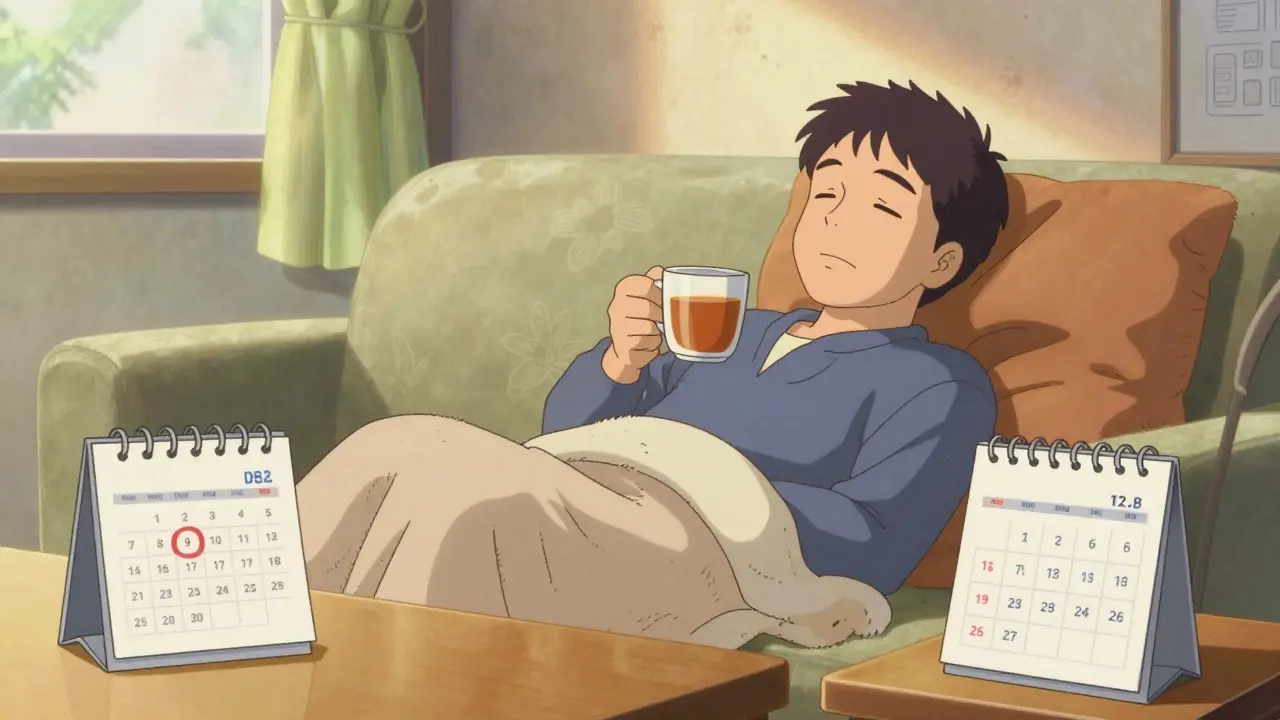
- Timing the second dose: Mark your calendar. The vaccine isn't fully effective until the second dose is administered. If you miss the 6-month window, you should still get the second shot as soon as possible.
- Manage the soreness: Since muscle aches and arm pain are so common, plan your second dose on a Friday or before a weekend so you can rest if needed.
- Costs: While the two-vial course can cost around $175, it is widely covered by Medicare Part D and most private insurance plans. Check your provider first to avoid surprise bills.
When Should You Avoid the Vaccine?
For the vast majority of people, the vaccine is safe. There are only a few strict reasons to skip it. The primary contraindication is a severe allergic reaction (like anaphylaxis) to any component of the vaccine or a previous dose of it. If you are currently battling a moderate or severe acute illness-even if you have a fever-it's usually better to wait until you've recovered before getting the shot. This ensures your immune system can focus on the vaccine rather than fighting off an active infection.
Do I need the vaccine if I've already had shingles?
Yes. Having shingles in the past does not protect you from getting it again. The recombinant zoster vaccine is recommended for adults 50+ even if they have a history of the virus, as it significantly reduces the risk of a recurrence and future complications.
Is the vaccine safe for people with HIV or other immune disorders?
Absolutely. Unlike the older Zostavax, which was a live vaccine, the recombinant zoster vaccine is non-live. This makes it safe and specifically recommended for adults aged 19 and older who are immunocompromised due to disease or medication.
How long does the protection last?
Current data shows that the vaccine remains highly effective for at least 7 years after the series is completed. Some medical modeling suggests that the protection could actually last for 15 to 20 years, though long-term monitoring continues.
Can I get the shingles vaccine and the flu shot at the same time?
Generally, yes. Healthcare providers typically allow the administration of different vaccines during the same visit, though they may be given in different arms to manage the local soreness at the injection sites.
What happens if I miss my second dose?
You should get the second dose as soon as you remember. While the ideal gap is 2 to 6 months, delaying the second dose doesn't mean you have to restart the whole series from the beginning. Just finish the series to ensure full efficacy.

Rauf Ronald
April 7, 2026 AT 22:19Getting this shot is a total game changer for anyone over 50. I've seen so many people struggle with the nerve pain after an outbreak, and it's just brutal. Definitely schedule those two doses and stick to the timeline to get the full benefit!
Del Bourne
April 9, 2026 AT 06:29It is very important to note that the soreness from the second dose can be quite intense for some. I always suggest keeping some ibuprofen or acetaminophen on hand and perhaps hydrating more than usual before your appointment. Planning the visit for a Friday, as mentioned, is a fantastic way to ensure you have a recovery window before the work week starts again.
Grace Lottering
April 10, 2026 AT 12:21Big Pharma just wants more money. Follow the money.
Timothy Burroughs
April 12, 2026 AT 00:00you people are so weak these days crying about a sore arm while my country builds the strongest healthcare systems in the world if you cant handle a little fever you are just not cut out for real life
Christopher Cooper
April 13, 2026 AT 13:38I find it fascinating how the efficacy rate jumps so high with the recombinant version compared to the old live one. It really shows how far medical technology has come in targeting specific antigens. I wonder if future vaccines will follow this same non-live blueprint for other viral threats to ensure safety for immunocompromised folks.
Daniel Trezub
April 14, 2026 AT 13:34Actually, saying it's "over 90% effective" is a bit of a simplification because you have to look at the specific trial cohorts and the duration of the study. It's fine for a general guide, but the nuances of the clinical data are where the real story is. Still, it's better than the old stuff, obviously.
charles mcbride
April 15, 2026 AT 12:39It is truly wonderful to see such clear guidance available for the public. I believe taking these preventative steps will lead to a much higher quality of life for many seniors. May everyone find the strength to prioritize their health!
Alexander Idle
April 17, 2026 AT 08:13Honestly, the sheer audacity of requiring two separate appointments for one vaccine is an absolute tragedy in this modern age. I can barely be bothered to check my mail, and now I'm expected to maintain a calendar for six months? It is an utter catastrophe of convenience, though I suppose the alternative of electric shocks in my torso is marginally worse, if one is inclined to care about such trifles.
Michael Flückiger
April 18, 2026 AT 02:57Just get the shot!!! It is the only way to be safe... really!!! Don't let the side effects scare you off... they are nothing compared to the pain of shingles!!!
Sarabjeet Singh
April 19, 2026 AT 00:07Good to see the info on immunocompromised adults getting it from 19. Keep going and stay healthy everyone.
Vivek Hattangadi
April 20, 2026 AT 06:07I totally agree with the point about the second dose. It's so easy to forget after the first one, but we've got to push each other to finish the series. If anyone needs a reminder, maybe use a phone app or a sticky note on the fridge! We can all get through the temporary soreness together for the long-term gain.
GOPESH KUMAR
April 21, 2026 AT 03:27The irony of human existence is that we fear a tiny bit of muscle ache while ignoring the existential dread of aging. This guide is simply a manual for the inevitable decay of the body, though I suppose the recombinant antigen is a clever trick of science. Most people just follow orders without thinking about the biological philosophy of it all, which is quite sad really.
Darius Prorok
April 21, 2026 AT 16:49The old one was bad and the new one is good. That is just how it works.
Rupert McKelvie
April 21, 2026 AT 21:33I'm sure everyone who reads this will find the courage to get their vaccinations sorted. It's a great move for long-term health and peace of mind.