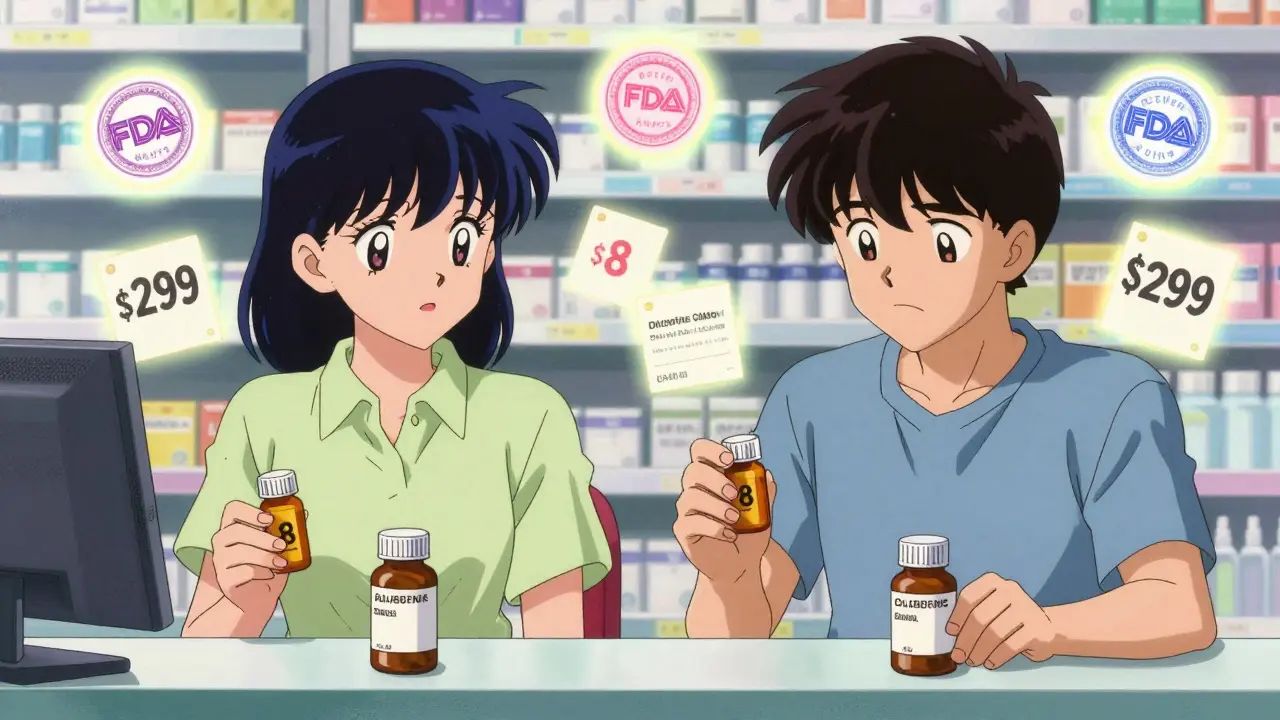
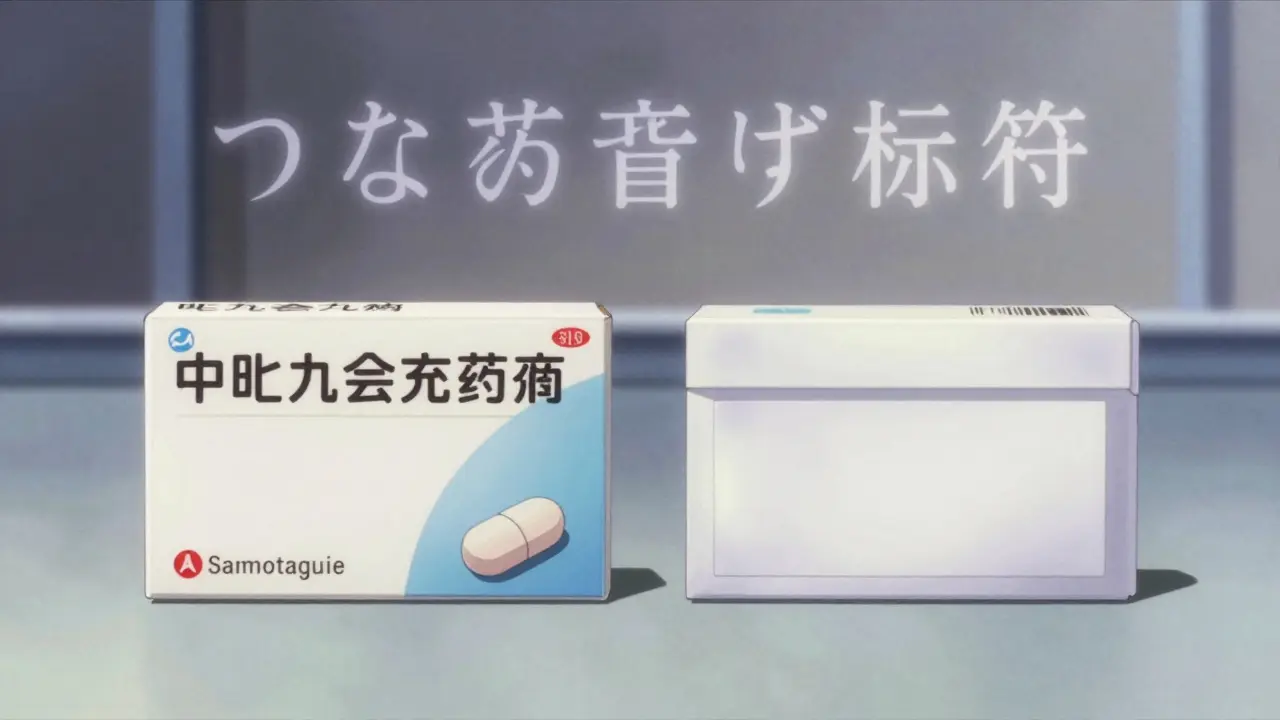
Have you ever picked up a prescription and noticed the pill looks different - maybe a different color or shape - but the name on the bottle is the same as your usual brand? You might think you got a cheaper version, but here’s the twist: it could be the exact same pill, just repackaged under a different label. That’s an authorized generic.
What exactly is an authorized generic?
An authorized generic is not a copy. It’s not a knockoff. It’s the real thing - the exact same medication made by the original brand-name drug company, but sold without the brand name on the box. Think of it like a car manufacturer producing the same model under a different dealership name. Same engine, same parts, same warranty. Just a different sticker. The U.S. Food and Drug Administration (FDA) defines it clearly: an authorized generic is a drug approved under the brand’s original New Drug Application (NDA), but marketed with different labeling, packaging, or product codes. No new approval is needed. No extra testing. It’s the same batch of medicine, just sold under a generic label. This isn’t a loophole. It’s a legal, regulated part of the pharmaceutical system. Companies like Pfizer (through Greenstone), Procter & Gamble (through Prasco), and others have dedicated divisions to produce and distribute these versions. They’re not trying to trick you. They’re trying to stay competitive.How is it different from a regular generic?
Regular generics are made by other companies after the brand’s patent expires. They have to prove they’re bioequivalent - meaning they work the same way in your body. But they can use different inactive ingredients. That’s why your generic aspirin might be white and round, while the brand version is red and oval. Those differences don’t affect how the drug works, but they can confuse patients. Authorized generics? No differences at all. Same active ingredient. Same inactive ingredients. Same shape, size, and coating. The only thing that changes is the label. You might see a different company name - maybe “Greenstone” instead of “Lipitor” - but the pill inside is identical to the one you got from the brand. Here’s the kicker: regular generics have to go through the Abbreviated New Drug Application (ANDA) process. Authorized generics skip that entirely. They ride on the brand’s original FDA approval. That’s why they can hit the market faster - sometimes even before the first generic arrives.Why do brand companies make authorized generics?
It’s business. Plain and simple. When a drug’s patent runs out, the brand company loses its monopoly. Generic manufacturers jump in, prices drop, and profits shrink. But if the brand company itself launches an authorized generic, it can still capture a big chunk of that market. And because it’s the exact same product, pharmacies and insurers often prefer it - it’s reliable, consistent, and familiar. This strategy became popular after the Hatch-Waxman Act of 1984. That law gave the first generic company to challenge a patent 180 days of exclusive rights to sell their version. But it didn’t stop the brand company from launching its own generic version during that time. And that’s where things get messy. Some critics say authorized generics undermine the whole point of the 180-day exclusivity. If the brand company drops its own version right when the first generic launches, that generic company might not make enough money to cover the cost of challenging the patent. That could discourage future generic challenges - and slow down competition overall. But from the brand’s perspective? It’s not about blocking generics. It’s about giving patients a trusted alternative. If you’ve been on a drug for years and suddenly get a different-looking pill, you might worry. An authorized generic removes that fear. You get the same drug, same results, same peace of mind.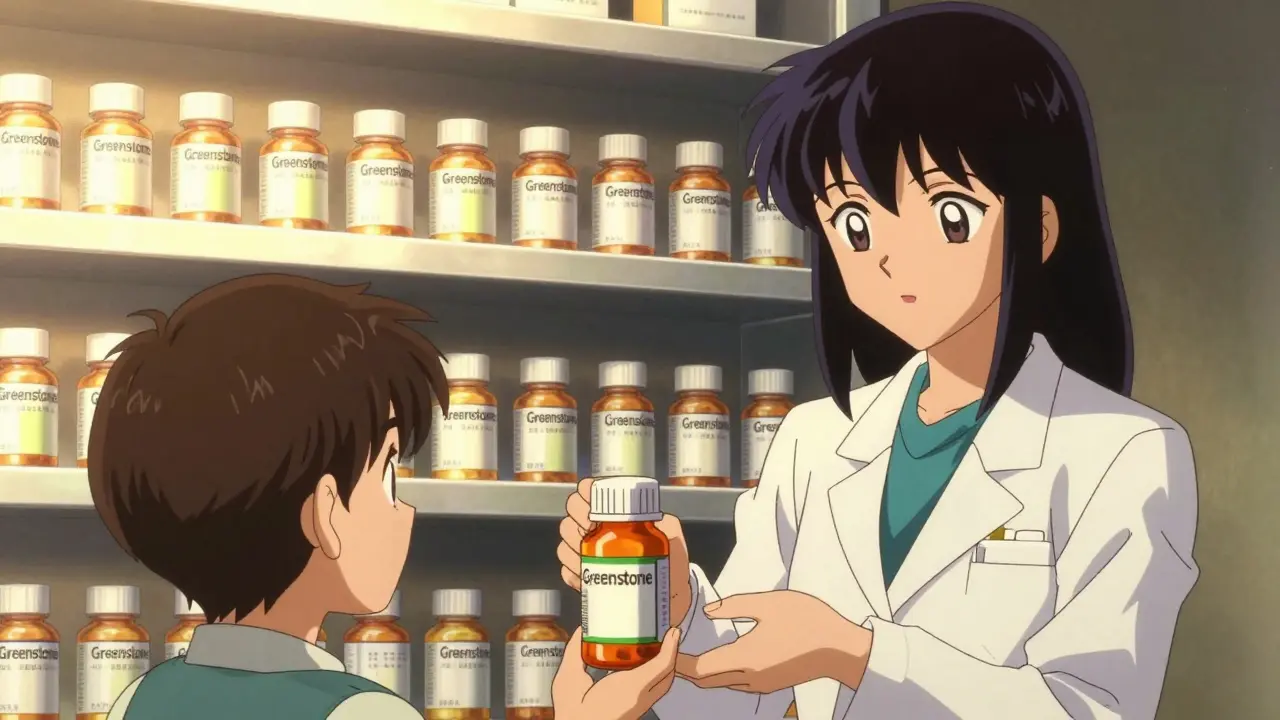
Are authorized generics cheaper?
Usually, yes - but not always. Because they’re sold under a generic label, they’re often priced lower than the brand-name version. But they’re not always as cheap as traditional generics. Sometimes, they’re priced right in the middle. Why? Because the brand company still has to cover manufacturing, distribution, and marketing costs. They’re not running a charity. But since they’re not paying for clinical trials or new FDA approvals, their overhead is lower than the original brand. That savings usually gets passed on. If you’re paying out of pocket, checking GoodRx or your pharmacy’s price list can show you the difference. Sometimes the authorized generic is the cheapest option. Sometimes it’s tied with the regular generic. Either way, you’re getting the same medicine.What does this mean for patients?
For most people, authorized generics are a win. You get the same drug you’ve always taken - no change in how it works, no risk of side effects from new inactive ingredients. If you’ve had issues with a regular generic before - maybe it made you feel off, even though your doctor said it should be the same - an authorized generic might be the solution. But there’s a catch: confusion. Pharmacists don’t list authorized generics in the FDA’s Orange Book - the official directory of approved generics. So if your pharmacist checks that book to verify equivalence, they won’t find it. That means they have to use other sources - like the FDA’s separate List of Authorized Generic Drugs - to confirm what you’re getting. And patients? You might open your prescription and see a different name on the bottle. “Is this the same thing?” you might wonder. The answer is yes - but you have to trust the system. That’s why education matters. If your doctor or pharmacist doesn’t explain it, you might assume you got the wrong drug.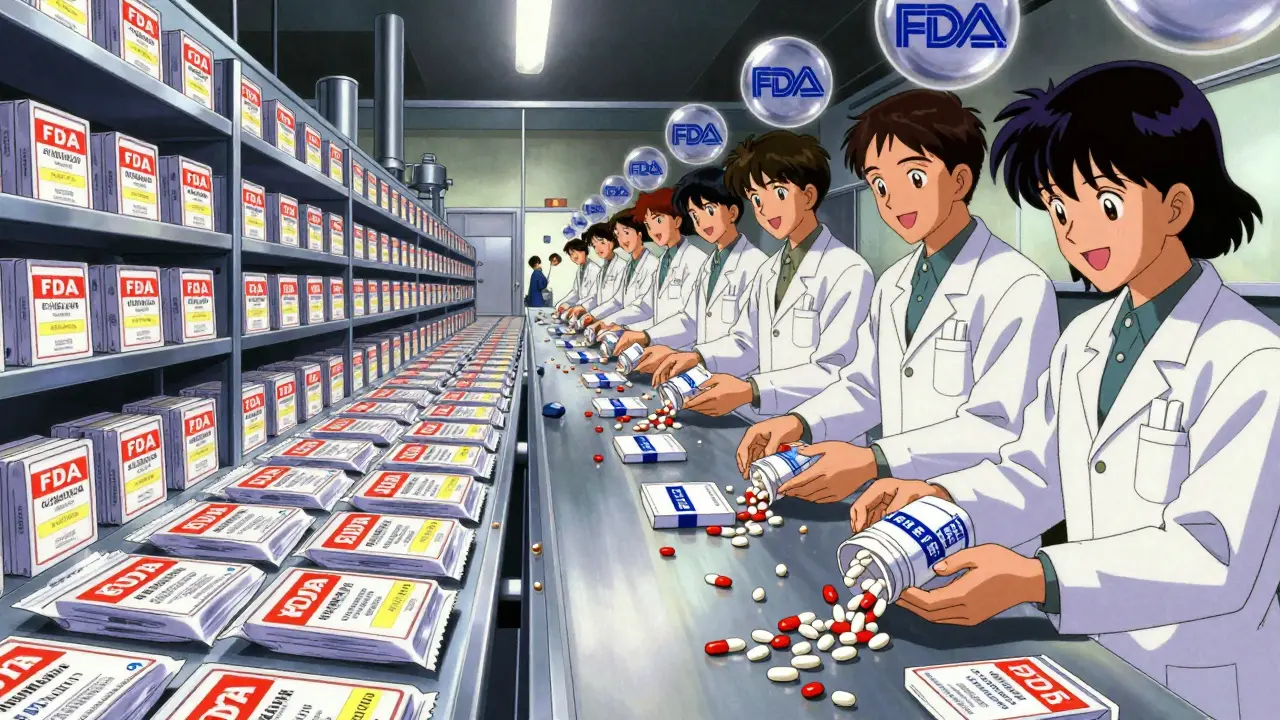
What about safety and quality?
There’s no difference in safety. Authorized generics are made in the same factory, on the same production line, using the same equipment and quality controls as the brand-name version. The FDA inspects these facilities just like any other drugmaker. In fact, because they’re the same product, authorized generics often have fewer quality issues than traditional generics. Why? Because there’s no change in formulation. No new supplier. No new process. Just the same drug, repackaged. If you’ve ever had a generic drug that didn’t work the same way - maybe it made you nauseous or didn’t control your blood pressure as well - it might have been due to inactive ingredients. That’s not a problem with authorized generics. They’re designed to avoid that.How to spot an authorized generic
You won’t always know you’re getting one - unless you ask. But here’s how to find out:- Check the label. Look for the manufacturer’s name. If it’s Greenstone, Prasco, or another known authorized generic producer, that’s a clue.
- Compare the pill. If it looks identical to your brand-name pill, it might be an authorized generic.
- Ask your pharmacist. Say: “Is this an authorized generic?” They can check the FDA’s list or their internal records.
- Search the FDA’s List of Authorized Generic Drugs online. It’s updated regularly and publicly available.
The future of authorized generics
More and more brand-name drugs are coming off patent. In 2025 and 2026, dozens of high-cost medications - including biologics and specialty drugs - will lose exclusivity. That means more authorized generics will enter the market. Some lawmakers are pushing to change the rules. They argue that brand companies shouldn’t be allowed to launch their own generics during the 180-day exclusivity window. But so far, the FDA hasn’t changed its stance. Authorized generics are still legal. Still approved. Still widely used. For patients, the trend is good. More options. Lower prices. More consistency. For the industry? It’s a balancing act - between profit and access, competition and control. But one thing’s clear: if you’re taking a medication that’s now available as an authorized generic, you’re not getting a second-rate product. You’re getting the same drug, just with a different name on the bottle. And that’s not a trick. It’s transparency.Are authorized generics the same as the brand-name drug?
Yes. Authorized generics are identical to the brand-name drug in every way - same active and inactive ingredients, same strength, same dosage form, same manufacturer. The only difference is the label. They’re made in the same factory, on the same line, using the same quality controls.
Why do authorized generics cost less than the brand name?
Because they don’t carry the marketing, advertising, or research costs of the brand. The brand company already paid for those expenses. The authorized generic is just the same product sold under a generic label, so the price drops. It’s not a cheaper version - it’s the same version with lower overhead.
Can I trust an authorized generic if it looks different?
Absolutely. Even if the pill is a different color or has different markings, it’s still the same medicine. These changes are only to distinguish it from the brand-name version legally. The FDA allows minor cosmetic differences, but the drug’s effectiveness and safety remain unchanged.
Are authorized generics listed in the FDA’s Orange Book?
No. Authorized generics are not listed in the Orange Book because they’re approved under the brand’s original New Drug Application (NDA), not as a separate generic. Instead, the FDA maintains a separate List of Authorized Generic Drugs. Pharmacists use this list to verify equivalence.
Do authorized generics affect insurance coverage?
Usually, yes - and in a good way. Most insurance plans treat authorized generics the same as regular generics. They often fall into the lowest cost tier, meaning lower copays. Some plans even prefer them because they’re more predictable in quality than traditional generics.
Can I ask my pharmacist to give me an authorized generic?
Yes. You can ask for an authorized generic by name, or simply say, “Is there an authorized generic version of this drug?” Pharmacists can check their inventory and the FDA’s list. Many will offer it automatically if it’s available and cheaper.