Drug Shortages: What Causes Them and How They Impact Your Medications
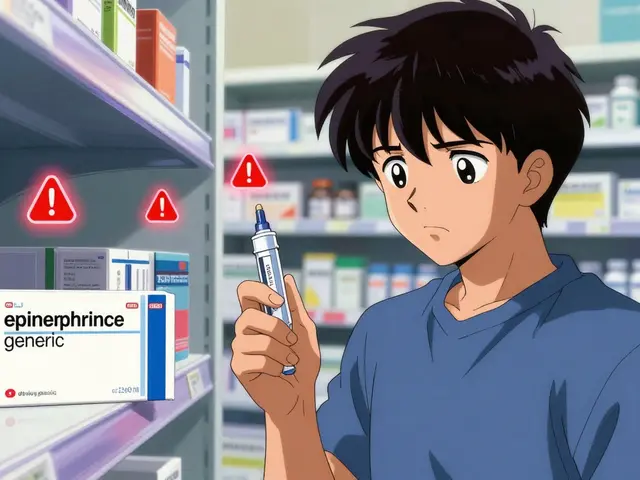
When a drug shortage, a situation where the supply of a medication falls below what patients and healthcare providers need. Also known as medication supply crisis, it can leave people without essential treatments for conditions like high blood pressure, diabetes, or even infections. This isn’t just a hospital problem—it hits your pharmacy shelf, your prescription refill, and your daily routine. You might not hear about it until you’re told your usual pill isn’t available. And when that happens, you’re left scrambling: Is there a substitute? Will it work the same? How long will this last?
Drug shortages don’t happen randomly. They’re often tied to problems in the pharmaceutical supply chain, the complex network of manufacturers, distributors, and regulators that get drugs from labs to pharmacies. A single factory shutdown—maybe because of quality issues, natural disasters, or raw material delays—can ripple across the country. For example, if one plant makes the only version of a generic antibiotic used for urinary infections, and it closes, doctors suddenly have to pick from fewer, sometimes less effective options. The medication supply, the consistent availability of prescribed drugs at the right time and dose depends on dozens of moving parts, and any one of them can break.
These shortages don’t just delay treatment—they force changes. People on long-term meds like statins or thyroid pills may be switched to a different brand or formulation, which can cause unexpected side effects. Seniors on multiple drugs are especially vulnerable. And when alternatives aren’t clear, patients might skip doses, which can lead to worse health outcomes. The FDA tracks these gaps, but their public alerts often come too late. That’s why knowing the signs matters: if your pharmacist says, "This isn’t in stock," or "We’re waiting on a new shipment," it’s not just a hassle—it’s a signal.
The posts below dive into real cases where drug shortages forced changes in treatment. You’ll find guides on how to spot when your medication might be at risk, what alternatives doctors consider, and how to stay ahead of the next disruption. Whether you’re managing chronic pain, heart disease, or mental health, understanding how supply issues affect your care can help you ask the right questions and avoid dangerous gaps in treatment. You’re not just a patient—you’re part of the solution.
How COVID-19 Disrupted Drug Availability and Created Lasting Shortages
By Lindsey Smith On 16 Nov, 2025 Comments (13)
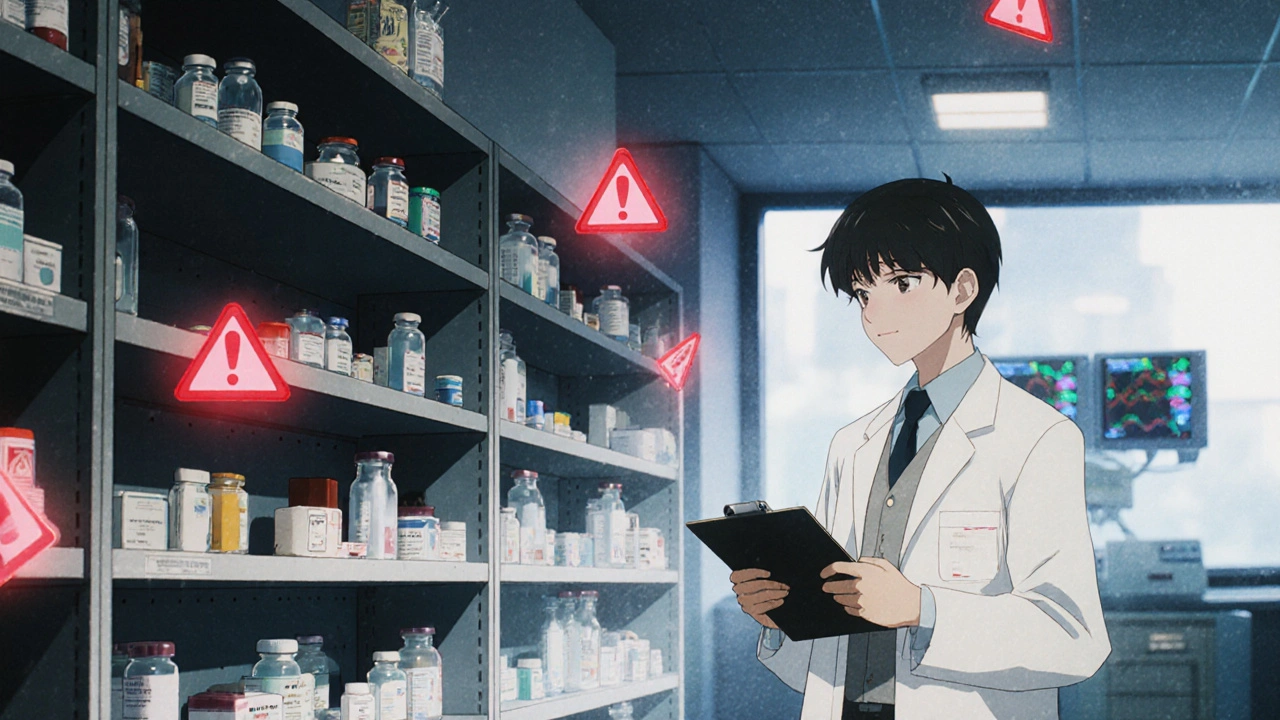
COVID-19 caused severe drug shortages and made illegal drugs deadlier. Essential medications vanished, overdose deaths surged, and support systems collapsed. Here’s what happened-and why it still matters.
View More