Meningitis Vaccine: Types, Protection, and What You Need to Know
When it comes to preventing life-threatening infections, the meningitis vaccine, a preventive shot that protects against bacteria and viruses that cause meningitis. Also known as meningococcal vaccine, it’s one of the most effective tools in modern medicine to stop meningitis before it starts. Meningitis isn’t just a bad headache—it’s an inflammation of the brain and spinal cord lining, often caused by bacteria like Neisseria meningitidis, Streptococcus pneumoniae, or Haemophilus influenzae type b. Without quick treatment, it can lead to deafness, brain damage, or even death. The good news? Vaccines exist for most of these strains, and they work.
The meningococcal vaccine, a shot that targets the most common bacterial cause of meningitis outbreaks. Also known as MenACWY or MenB, it’s given to teens, college students, and people with certain health conditions. Then there’s the Hib vaccine, a childhood shot that stopped a major cause of meningitis in kids under five. Before this vaccine, Hib was the leading cause of bacterial meningitis in young children. And for older adults and those with weakened immune systems, the pneumococcal vaccine, a defense against Streptococcus pneumoniae, which causes meningitis, pneumonia, and ear infections. Also known as PCV13 or PPSV23, it’s a two-part shot that’s part of routine care for seniors. These aren’t just optional shots—they’re critical shields, especially for people living in close quarters, traveling abroad, or with chronic illnesses.
People often worry about side effects. Most reactions are mild—sore arm, low fever, fatigue. Serious reactions are rare, far rarer than the risks of getting meningitis itself. The CDC, WHO, and every major health agency agree: the benefits far outweigh the risks. If you’re unsure whether you or your child needs one, check your vaccination record. Many adults missed the meningococcal booster in high school or college. If you’re planning a trip, starting a new job in healthcare, or have a spleen issue, you might need a shot you didn’t know about.
The meningitis vaccine isn’t a one-size-fits-all solution. Different vaccines protect against different strains, and timing matters. Kids get some as babies, teens get boosters, and adults get targeted doses based on health and lifestyle. What you need today might be different from what your sibling needed ten years ago.
Below, you’ll find real comparisons and deep dives into how these vaccines work, who they’re for, and how they stack up against each other. No fluff. Just clear, practical info to help you make smarter decisions about protection, timing, and safety.
Meningitis: Types, Symptoms, and How Vaccines Prevent It
By Lindsey Smith On 7 Nov, 2025 Comments (12)
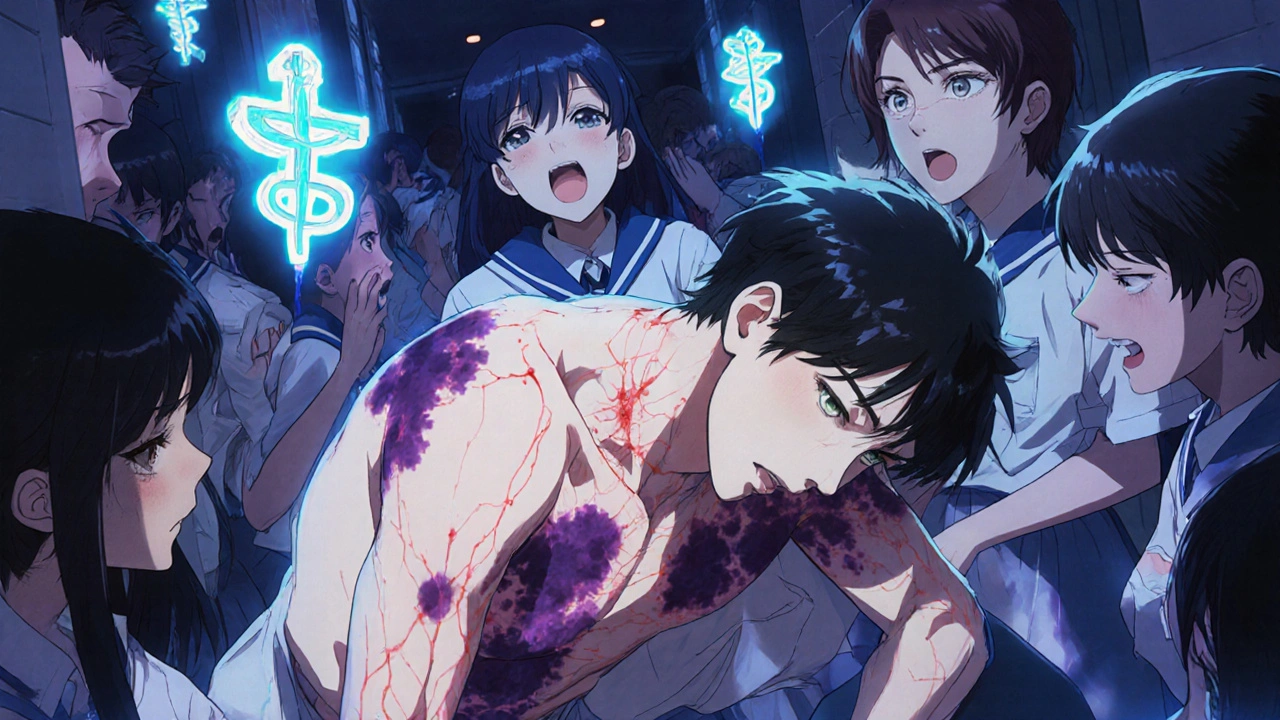
Learn the key types of meningitis, recognize early warning signs, and understand how vaccines prevent deadly bacterial forms. Essential info for parents, teens, and anyone who wants to stay protected.
View More