
NPH Diagnosis: Understanding Symptoms, Testing, and Treatment Options
When someone starts having trouble walking, forgetting things, or losing control of their bladder, it’s easy to assume it’s just aging. But sometimes, it’s normal pressure hydrocephalus, a treatable brain condition caused by excess cerebrospinal fluid that builds up without increasing pressure. Also known as NPH, it mimics dementia or Parkinson’s—but unlike those, it can often be reversed with the right intervention. Many people live for years with NPH without ever getting tested, because the symptoms sneak up slowly. Doctors miss it. Families think it’s just "getting old." But if you’ve noticed a change in how someone walks—like their feet seem stuck to the floor—or they’ve become unusually forgetful or incontinent, it’s worth asking about NPH diagnosis.
Gait disturbance, the hallmark sign of NPH, is when walking becomes slow, shuffling, or unsteady, often worse than what you’d expect from arthritis or nerve damage. This isn’t just clumsiness; it’s a neurological signal. Cognitive decline in NPH looks like trouble focusing, slowed thinking, or forgetting appointments—not full-blown memory loss like Alzheimer’s. And urinary incontinence, usually the last symptom to appear, isn’t about weak muscles—it’s the brain losing its ability to signal when to go. These three signs together? That’s the classic triad doctors look for in NPH diagnosis.
Getting diagnosed isn’t just about a scan. A brain MRI or CT can show enlarged ventricles, but that’s not enough. Many healthy older adults have that too. The real test is whether removing a small amount of spinal fluid (a lumbar puncture) makes walking or thinking better. If it does, it’s a strong sign a shunt could help. Shunt surgery, a procedure that drains excess fluid from the brain to the abdomen, is the main treatment. It’s not risky for most people, and recovery is often quick. People who get treated early usually walk better within days, think clearer within weeks, and regain bladder control over time. The key is not waiting. The longer NPH goes untreated, the less likely the brain is to bounce back. And if you’ve been told it’s just aging? Ask for a second opinion. NPH diagnosis is rare, but it’s not impossible—and it’s one of the few brain conditions where treatment can truly turn things around.
Below, you’ll find real-world guides on how NPH is tested, how it’s mistaken for other conditions, what shunt complications look like, and how to recognize early warning signs before they become emergencies. These aren’t theory pieces—they’re practical insights from people who’ve been through it, doctors who’ve seen it, and families who fought for answers.
Normal Pressure Hydrocephalus: Understanding Gait Issues, Cognitive Changes, and Shunt Treatment
By Lindsey Smith On 19 Nov, 2025 Comments (14)
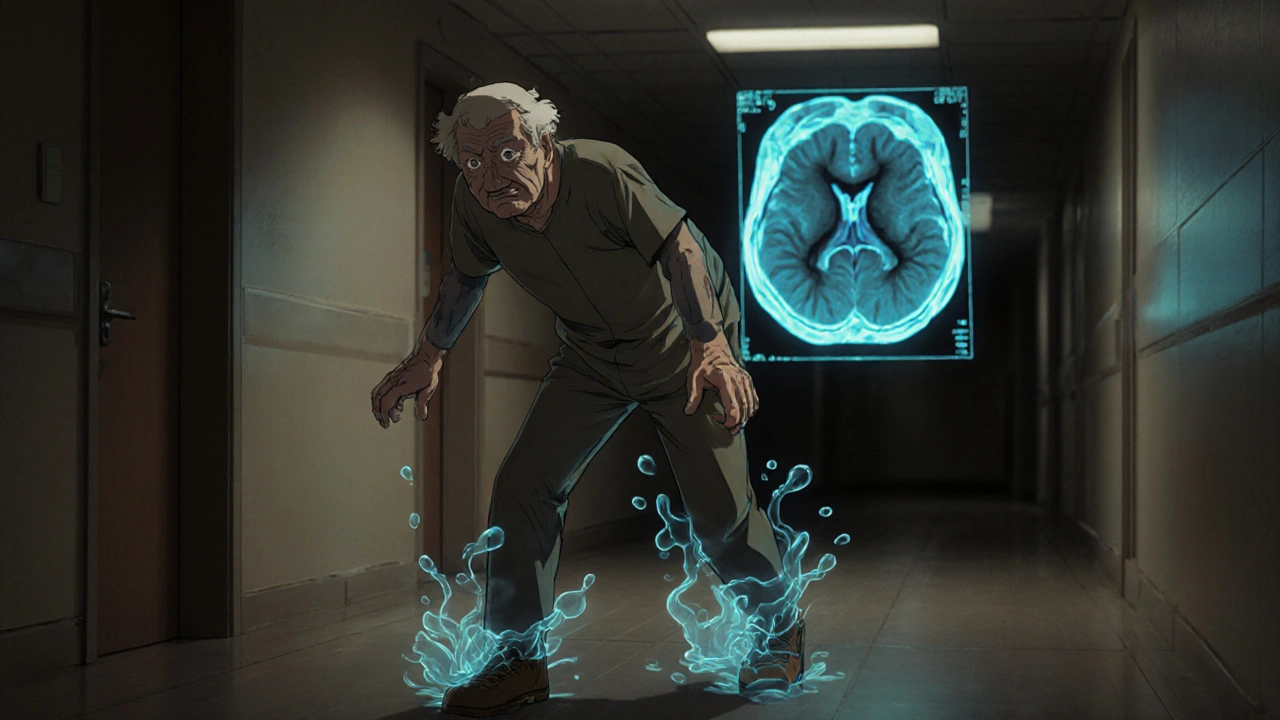
Normal Pressure Hydrocephalus (NPH) is a treatable cause of dementia with classic symptoms: gait trouble, memory issues, and bladder control problems. Early diagnosis through CSF tests and shunt surgery can reverse symptoms in most patients.
View More