Peanut Allergy Prevention: What Works, What Doesn't, and How to Stay Safe
When it comes to peanut allergy prevention, the strategy of avoiding peanuts in early childhood to prevent allergies has been completely overturned by modern science. Also known as early peanut introduction, this shift is one of the biggest changes in pediatric allergy care in the last 20 years. Back in the 90s, parents were told to keep peanuts away from babies until age three. That advice didn’t stop allergies—it made them worse. Now, we know that delaying exposure increases risk, not reduces it.
The landmark LEAP study (Learning Early About Peanut Allergy), published in 2015, proved that feeding peanut-containing foods to high-risk infants between 4 and 11 months cut their chance of developing a peanut allergy by up to 86%. That’s not a small win—it’s a game-changer. The study didn’t just show correlation; it showed cause. Babies who ate peanut butter or Bamba snacks regularly were far less likely to become allergic than those who avoided them entirely. Since then, the American Academy of Pediatrics, the NIH, and the UK’s NICE guidelines have all updated their rules. If your baby has severe eczema, egg allergy, or both, they’re considered high risk. For them, peanut introduction should happen under a doctor’s supervision, often with an allergy test first. For low-risk babies, you can start at home around 6 months, as long as they’re developmentally ready for solids.
But prevention isn’t just about when you start—it’s about how you do it. Whole peanuts are a choking hazard. Instead, mix smooth peanut butter with warm water or breast milk to make a thin paste, or use peanut puff snacks like Bamba. Start with a small amount, like a quarter teaspoon, and watch for reactions for at least two hours. Don’t rush. Don’t skip meals. And don’t stop after one try. Consistency matters: aim for at least three times a week, for several months. This isn’t a one-time test—it’s ongoing exposure. The immune system learns tolerance through repeated, safe contact. And if your child already has a peanut allergy? Avoidance is still key, but new treatments like oral immunotherapy (OIT) are now available to reduce the severity of reactions. The goal isn’t just survival—it’s safety in everyday life.
What you’ll find in the posts below isn’t just theory. It’s real-world guidance from doctors, parents, and researchers who’ve seen the impact of these changes firsthand. You’ll learn how to spot early signs of reaction, why some kids still develop allergies despite early exposure, and what to do if you’re unsure where to start. There’s no one-size-fits-all plan, but there’s a clear path forward—and it starts with not being afraid to give your baby a taste.
Peanut Allergy Prevention: When and How to Introduce Peanuts to Infants
By Lindsey Smith On 28 Nov, 2025 Comments (13)
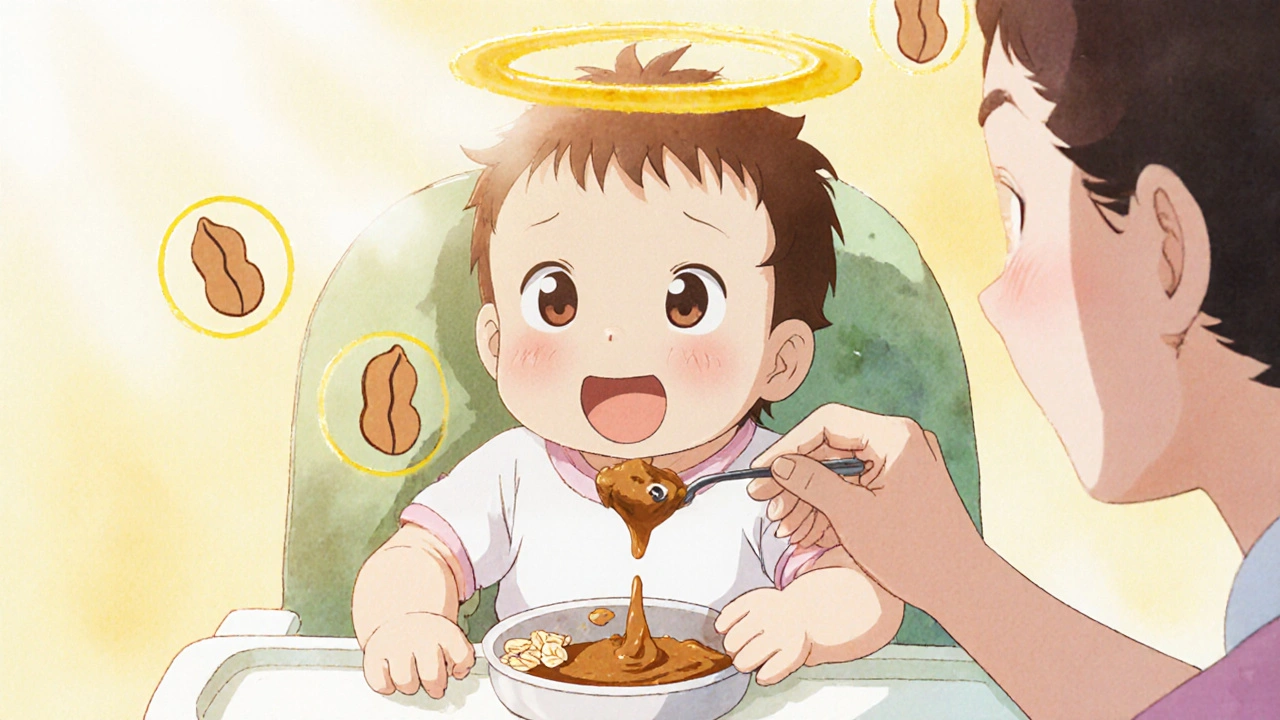
Learn how early peanut introduction can prevent peanut allergy in infants, what the NIAID guidelines recommend, and why oral immunotherapy is not the same as prevention. Evidence-based strategies for safe feeding.
View More