Rhodiola and Antidepressants: What You Need to Know Before Combining Them
When you’re managing depression, every option matters—especially when traditional meds come with side effects or don’t seem to work fast enough. That’s where Rhodiola rosea, a natural adaptogen used for centuries in Eastern Europe and Asia to combat fatigue and stress. Also known as golden root, it’s become a popular supplement for low mood and burnout. But if you’re already on an antidepressant, mixing it with Rhodiola isn’t as simple as adding a tea to your morning routine. It’s not just about effectiveness—it’s about safety.
Here’s the real issue: Rhodiola affects serotonin, the same brain chemical targeted by SSRIs and SNRIs. That sounds good—until you realize it might push serotonin levels too high. Serotonin syndrome, a rare but dangerous condition caused by too much serotonin in the nervous system can lead to confusion, rapid heart rate, muscle rigidity, and even seizures. It’s not common, but cases have been reported when Rhodiola was combined with fluoxetine, sertraline, or even tramadol. And unlike a bad reaction to a new food, this isn’t something you can just wait out.
Some people swear by Rhodiola for lifting energy and reducing anxiety without the weight gain or sexual side effects of prescription drugs. And yes, small studies show it might help with mild to moderate depression—especially when fatigue and mental exhaustion are the main symptoms. But those studies were short, small, and didn’t test it alongside common antidepressants. What we do know for sure? Your liver processes both Rhodiola and many antidepressants using the same enzymes. That means one can slow down the other, leading to either too little relief or too much buildup in your system.
It’s not all risk, though. If you’re considering Rhodiola, talk to your doctor first—not just to check for interactions, but to see if your depression type even fits. Rhodiola seems to help more with stress-related low mood than clinical major depression. It’s not a replacement for therapy or medication in severe cases. And if you’re on MAO inhibitors? Skip it entirely. The combo could be life-threatening.
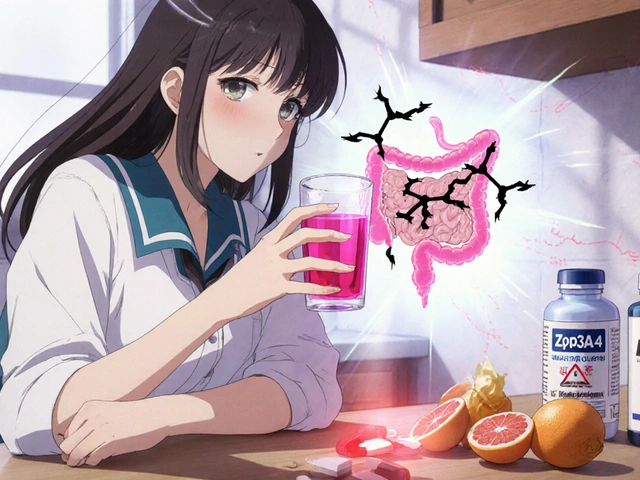
What about other herbal supplements? You’ll find posts here on how new antidepressants like Zuranolone and Auvelity are changing the game with faster results and fewer side effects. You’ll also see how drugs like SSRIs interact with opioids, and why even small changes in your routine—like drinking grapefruit juice or skipping a dose—can ripple through your treatment. The bottom line? Natural doesn’t mean safe when it’s mixed with prescription meds.
Below, you’ll find real, evidence-based posts that dig into the science behind Rhodiola, how antidepressants really work, what happens when you mix them, and what alternatives actually deliver results without the guesswork. No fluff. No marketing. Just what you need to decide if Rhodiola belongs in your health plan—or if it’s better left on the shelf.
Rhodiola and Antidepressants: What You Need to Know About Serotonin Risks
By Lindsey Smith On 29 Nov, 2025 Comments (15)
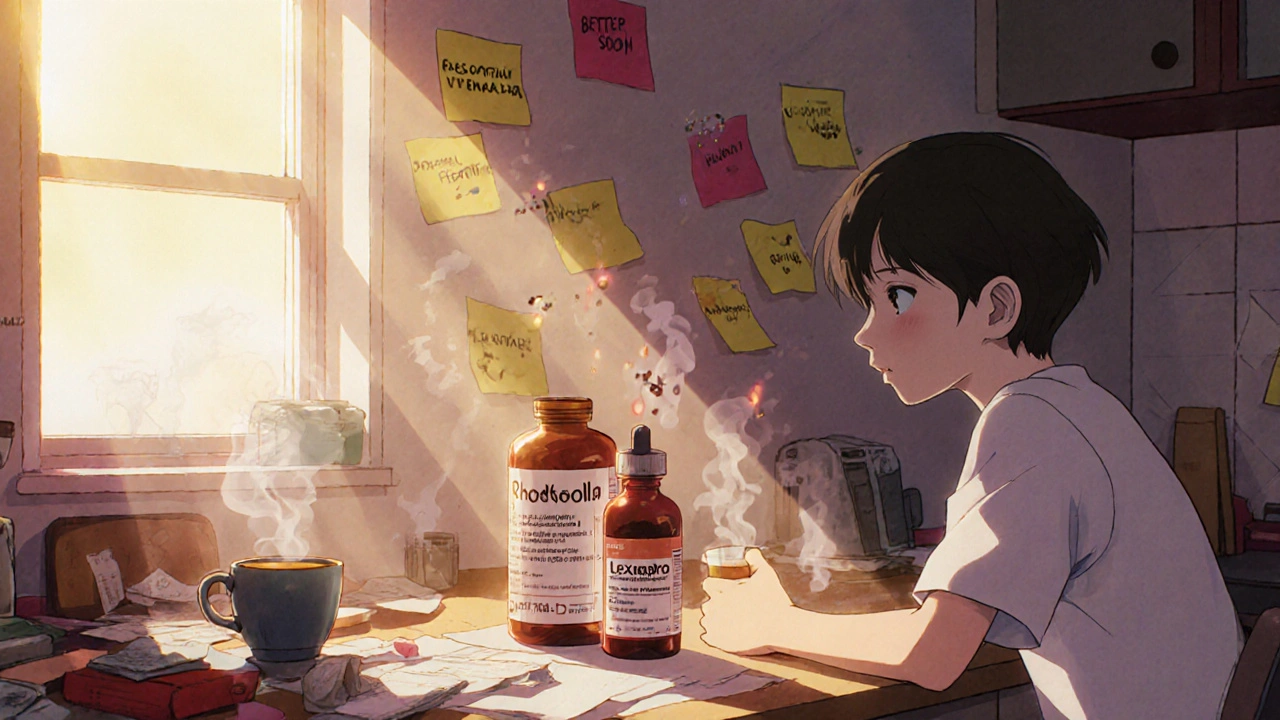
Rhodiola may help with stress and mild depression, but combining it with antidepressants like SSRIs can cause serotonin syndrome-a dangerous, potentially fatal condition. Learn the risks, symptoms, and what to do instead.
View More