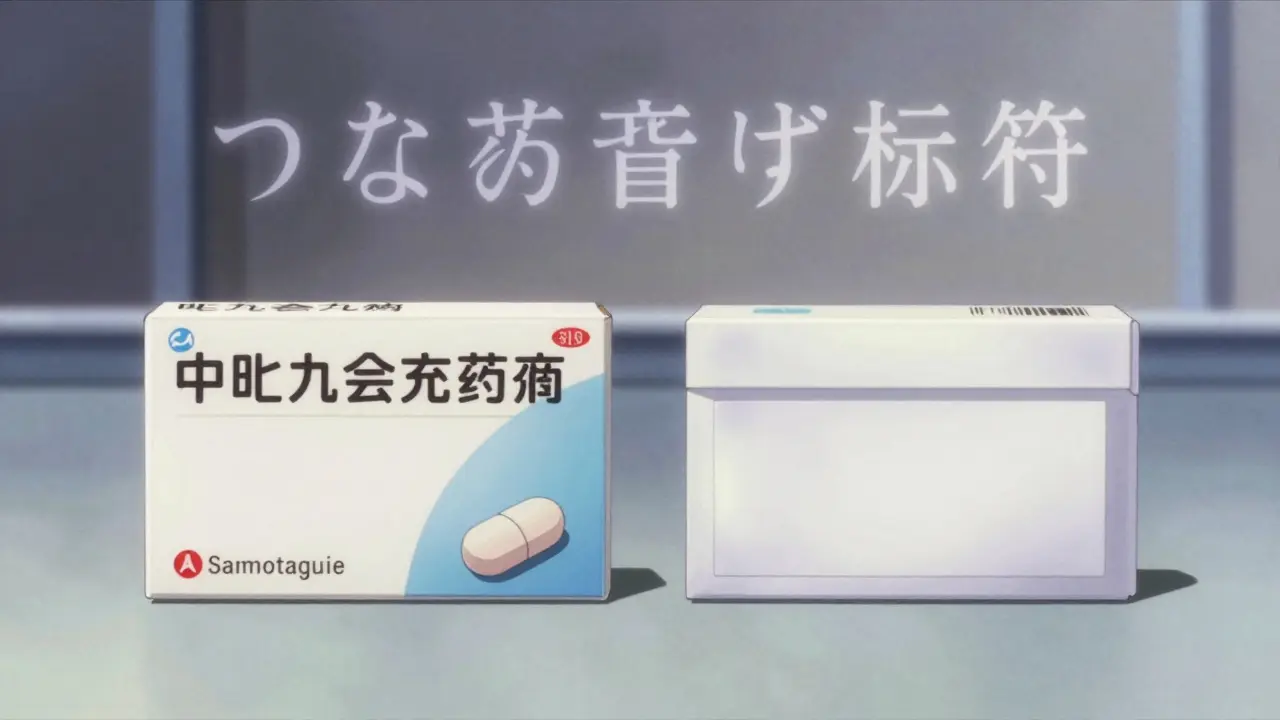
You walk into the pharmacy counter, hand over your prescription for a medication you’ve taken for years, and the pharmacist hands you a box that looks slightly different. Maybe the color is off by a shade, or the shape of the pill isn’t quite right. You ask what happened, and they tell you it’s a generic version. But here’s the twist: this might not be just any generic. It could be an authorized generic, which is a lower-cost version of a brand-name drug marketed under the same New Drug Application (NDA) as the original brand product. It is made by the exact same company that makes the brand-name drug, using the exact same formula, but sold without the fancy logo on the label.
The big question isn’t just whether these drugs exist-they definitely do. The real question is: do people actually choose them? Or are we just passive participants in a system where insurance companies and pharmacists decide what ends up in our medicine cabinet? To understand why some patients stick with authorized generics while others switch back to brands or move to traditional generics, we have to look at the money, the science, and the psychology behind the bottle.
What Exactly Is an Authorized Generic?
If you think all generics are created equal, you’re missing a crucial distinction in the pharmaceutical world. There are two main types of generics: traditional generics and authorized generics. They sound similar, but their origins are completely different.
A traditional generic is a drug manufactured by a third-party company that must prove bioequivalence to the brand-name drug through the Abbreviated New Drug Application (ANDA) process. This means a different company makes it. They have to show the FDA that their version works the same way in the body as the brand-name drug. Because they don’t have to repeat expensive clinical trials, they can sell it much cheaper. However, they might use different inactive ingredients-the fillers, binders, and dyes that hold the pill together. These differences rarely affect how the drug works, but sometimes they change how a patient feels about taking it.
An authorized generic is the identical brand-name product sold under a generic label by the brand manufacturer itself. Think of it like this: if the brand-name drug is the "Pro" version with the premium packaging and marketing, the authorized generic is the exact same engine sold in a plain box. It is produced in the same facility, using the same raw materials, and follows the same quality controls. The only difference is the price tag and the absence of the brand logo.
This distinction matters because it changes the game for both manufacturers and patients. Traditional generics enter the market after a patent expires, often fighting legal battles to get there. Authorized generics can launch immediately when the patent protection weakens, giving the brand company a head start in capturing savings-conscious customers before the floodgates open for other competitors.
The Price Factor: Why Money Drives the Decision
Let’s be honest: cost is usually the primary driver in healthcare decisions. When a brand-name drug loses its patent exclusivity, prices typically drop significantly. But the timeline and magnitude of those drops depend heavily on whether an authorized generic enters the mix.
Data from the Federal Trade Commission (FTC) shows that during the critical first 180 days of generic competition-a period known as exclusivity for the first generic filer-authorized generics can reduce retail prices by 4-8% and wholesale prices by 7-14%. More recent analysis from 2022 regarding specific drugs like entacapone showed even sharper reductions, with Medicaid data reflecting price drops of 8.4-10.3%.
For a patient paying out-of-pocket, this difference can be substantial. If a brand-name drug costs $500 a month, an 8% drop saves you $40. That might seem small, but over a year, it adds up. However, authorized generics aren’t always the cheapest option long-term. Once the 180-day exclusivity period ends and multiple traditional generics enter the market, prices tend to plummet further. Traditional generics often end up being 15-25% cheaper than authorized generics in the long run.
| Drug Type | Typical Price Reduction | Market Share (Initial Phase) | Manufacturing Source |
|---|---|---|---|
| Brand Name | Baseline (Highest) | Declines rapidly post-patent | Original Brand Company |
| Authorized Generic | 4-18% lower than brand | 35-40% during 180-day exclusivity | Original Brand Company |
| Traditional Generic | 15-50% lower than brand | 65-75% after exclusivity ends | Third-Party Manufacturer |
So, do patients choose authorized generics because of the price? Often, yes-but indirectly. Most patients don’t shop around for the lowest price at the pharmacy counter. Their insurance plan’s formulary dictates what they pay. If the insurance covers the authorized generic with a low copay, the patient takes it. If the traditional generic becomes available later with an even lower copay, they switch then. The choice is less about active preference and more about following the path of least resistance financially.
Quality and Perception: Do Patients Notice the Difference?
Money aside, there’s another huge factor: trust. Many patients are skeptical of generics. They worry that "cheaper" means "less effective" or "more side effects." This fear is often unfounded, especially with authorized generics, but it shapes behavior nonetheless.
A landmark study published in the BMJ in 2018, sponsored by the FDA, tracked 210,000 patients switching from brand-name drugs to either authorized or traditional generics. The results were telling. Patients who switched to authorized generics had a "switchback" rate of 22.3%. Those who switched to traditional generics had a switchback rate of 28.7%. A switchback happens when a patient returns to the brand-name drug, usually because they felt the generic didn’t work as well or caused new issues.
Why the difference? It likely comes down to perception and formulation. Since authorized generics are chemically identical to the brand-including inactive ingredients like coatings and fillers-they look, taste, and feel exactly the same. Traditional generics might use different binders or dyes. While these inactive ingredients generally don’t affect efficacy, some patients are sensitive to them. For example, a different dye might cause a mild allergic reaction in someone with rare sensitivities, or a different coating might dissolve at a slightly different rate, affecting how quickly the drug kicks in.
In a Consumer Reports survey from 2022, 78% of respondents couldn’t distinguish between an authorized generic and the brand-name drug when given unlabeled samples. Compare that to only 52% who could distinguish traditional generics from brands. This suggests that authorized generics bridge the gap better than traditional ones. Patients feel safer because they know the source is the same trusted company they’ve used for years.
Who Actually Makes the Choice?
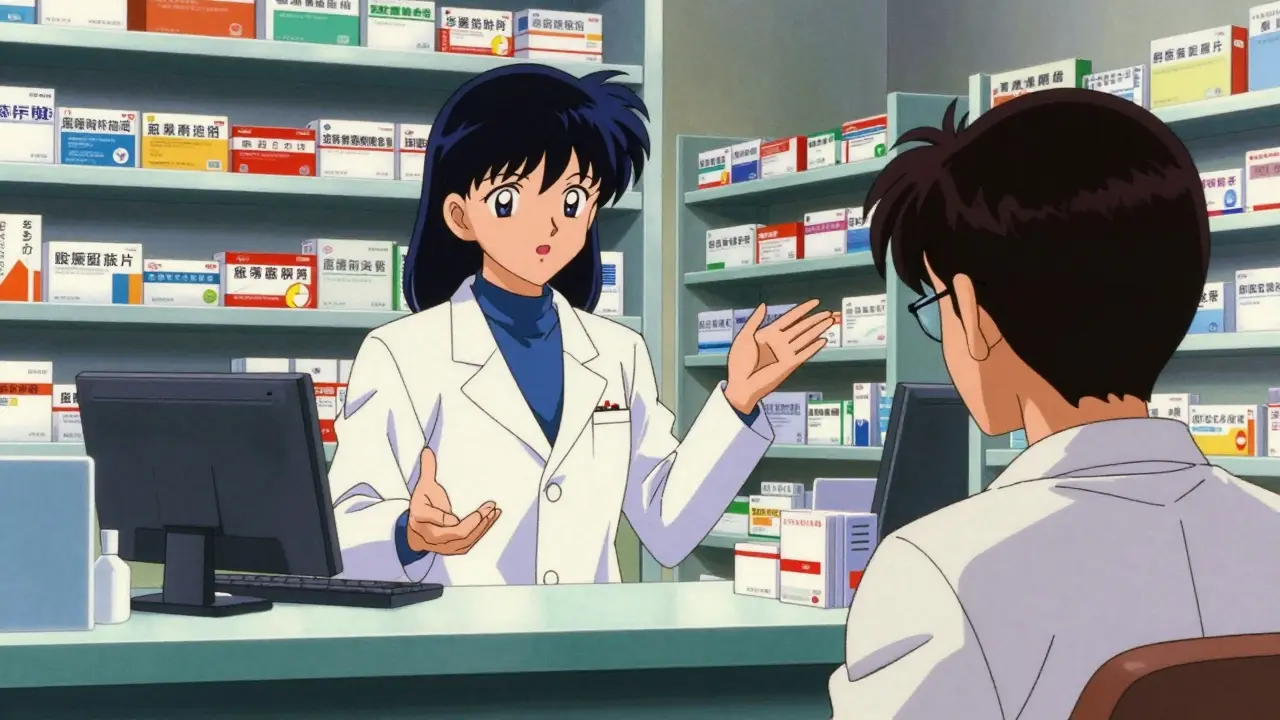
Here’s the uncomfortable truth: most patients don’t get to choose. You might think you’re picking your medication, but in reality, a complex web of insurance rules, pharmacy benefit managers (PBMs), and hospital formularies decides what you receive.
According to a 2022 analysis by KFF, 82% of commercial insurance plans automatically substitute generics for brand-name drugs when available. This includes both authorized and traditional generics. Only 12% of plans allow patients or doctors to request the brand-name product without going through a hassle-filled prior authorization process.
So, if you’re prescribed a brand-name drug, your pharmacist will likely dispense whichever generic is flagged as preferred by your insurer. If an authorized generic is available and listed on the formulary, you’ll get that. If a traditional generic is cheaper for the insurer, you’ll get that instead. You might not even realize the difference unless you read the fine print on the bottle.
Pharmacists play a key role here too. They have to navigate the FDA’s Orange Book, which lists approved drug products. Authorized generics appear there as "products with no applicant" because they fall under the brand’s existing New Drug Application (NDA). This can be confusing for staff who aren’t familiar with the nuance. Sometimes, patients call the pharmacy asking why their pill looks different, not realizing it’s still from the same manufacturer. Pharmacists often have to spend extra time counseling patients to reassure them that the change in appearance doesn’t mean a change in quality.
The Strategic Game: Why Companies Use Authorized Generics
To understand patient preferences, you also need to understand why authorized generics exist in the first place. They aren’t just a charitable effort to save consumers money. They are a strategic tool for pharmaceutical companies.
When a blockbuster drug’s patent is about to expire, the brand company faces a cliff. Suddenly, dozens of competitors can make the same drug for a fraction of the cost. By launching an authorized generic, the brand company keeps some of that revenue in-house. Instead of losing 100% of the market share to rivals, they capture a portion of the generic market themselves.
However, this strategy has drawn scrutiny. The FTC has raised concerns that the mere threat of launching an authorized generic can be used to delay true competition. In some cases, brand companies have offered potential generic competitors a cut of the profits in exchange for delaying their entry into the market. This practice, known as "pay-for-delay," undermines the Hatch-Waxman Act of 1984, which was designed to encourage rapid generic competition to lower prices.
While these tactics don’t directly impact the individual patient’s daily experience, they do affect the overall availability and pricing landscape. If authorized generics slow down the entry of traditional generics, patients might face higher prices for longer periods. Conversely, if authorized generics provide immediate relief during the transition phase, patients benefit from quicker access to lower costs.
Real-World Patient Experiences
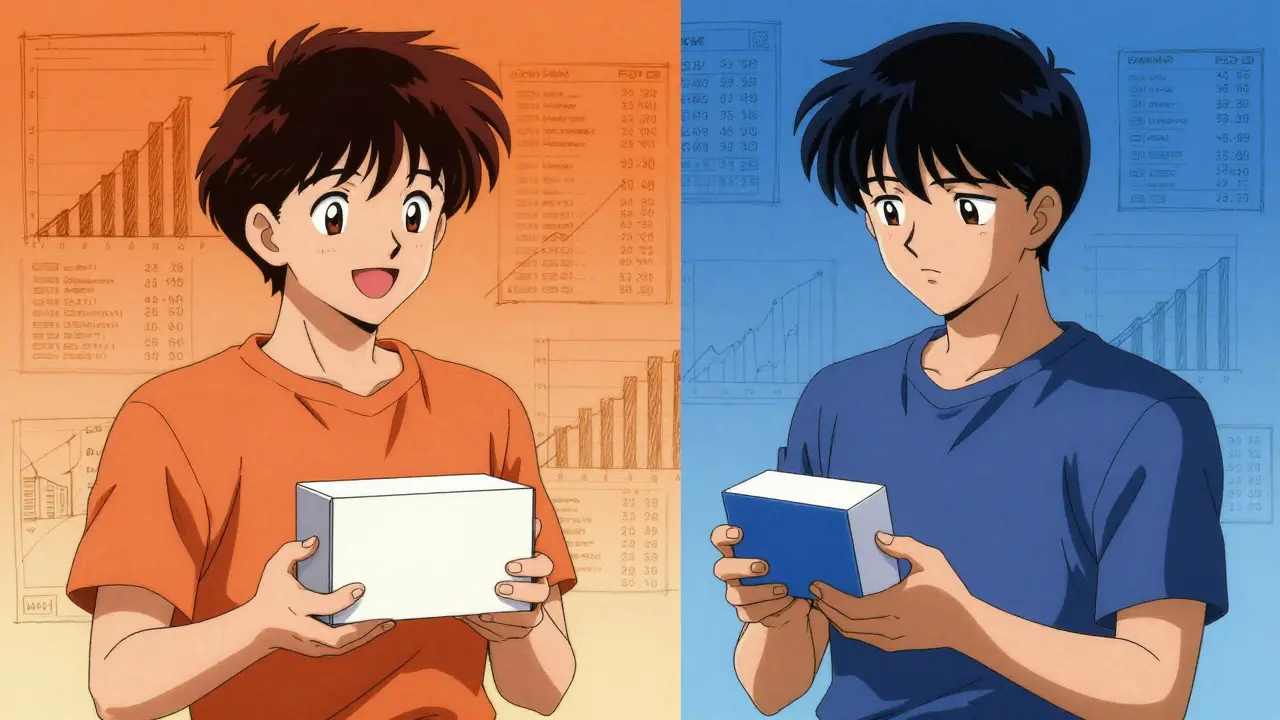
Numbers and regulations tell one story, but patient voices tell another. Online communities like Reddit’s r/pharmacy offer unfiltered insights into how people feel about these switches.
In a popular 2022 thread discussing authorized versus traditional generics, 63% of respondents said they noticed no difference between the authorized generic and the brand-name drug. Another 28% reported similar positive experiences with traditional generics. The remaining minority cited issues such as changes in energy levels, slight variations in symptom control, or simply discomfort with the changing appearance of their medication.
One common theme among those who struggled was the psychological aspect. Knowing that the pill came from a different factory, even if it was bioequivalent, created anxiety. With authorized generics, that anxiety is largely removed because the provenance is clear. Patients know it’s the same company, the same lab, the same standards. This peace of mind is invaluable, especially for chronic conditions where consistency is key.
Consider a patient managing hypertension. Blood pressure needs to be stable. If a traditional generic uses a different filler that affects absorption slightly, blood pressure readings might fluctuate. An authorized generic eliminates that variable. For many patients, this reliability outweighs the marginal cost savings of a traditional generic.
How to Navigate Your Options
If you’re concerned about which type of generic you’re receiving, here are some practical steps you can take:
- Check the Label: Look at the National Drug Code (NDC) on the bottle. If the NDC matches the brand-name manufacturer’s prefix, it’s likely an authorized generic. Traditional generics will have a different NDC associated with a different manufacturer.
- Talk to Your Pharmacist: Don’t hesitate to ask, "Is this an authorized generic or a traditional generic?" Pharmacists can check the dispensing software to see the manufacturer. If you have sensitivities or preferences, they can note your profile to try to accommodate you, though insurance rules may limit their options.
- Review Your Formulary: Log into your insurance portal and check the tier list for your medication. See if there are multiple generic options and what the copay difference is. Sometimes, sticking with the brand (if covered) or choosing a specific generic can save you money or provide better coverage.
- Monitor Your Response: After switching to any generic, keep a log of how you feel for the first few weeks. Note any changes in effectiveness or side effects. If you notice issues, contact your doctor. They may write the prescription as "Dispense As Written" (DAW) to ensure you get the specific product needed, though this may increase your out-of-pocket cost.
Understanding authorized generics empowers you to make informed decisions rather than passively accepting whatever comes out of the pharmacy window. While you may not always have the final say, knowing the difference helps you advocate for your health and manage your expectations.
Are authorized generics safer than traditional generics?
Both authorized and traditional generics are required to meet strict FDA safety and efficacy standards. However, authorized generics are identical to the brand-name drug in every way, including inactive ingredients. Traditional generics must demonstrate bioequivalence but may use different fillers or dyes. For most patients, both are safe and effective. For those with specific sensitivities to inactive ingredients, authorized generics may offer a lower risk of adverse reactions due to their identical formulation.
Can I ask my doctor to prescribe an authorized generic specifically?
You can request it, but your ability to receive it depends on your insurance plan and pharmacy policies. Doctors can write "Dispense As Written" (DAW) to prevent substitution, but this usually forces the pharmacy to dispense the brand-name drug unless specified otherwise. Insurance companies often prefer the lowest-cost option, which might be a traditional generic. It’s best to discuss your preference with both your doctor and pharmacist to see what options are viable within your coverage.
Why do authorized generics cost less than brand-name drugs?
Authorized generics cost less primarily because they lack the heavy marketing and advertising expenses associated with brand-name drugs. The manufacturing costs are essentially the same since they are made in the same facilities. By stripping away the branding and promotional budgets, the manufacturer can offer the drug at a lower price point while still maintaining a profit margin, especially as they compete with incoming traditional generics.
How can I tell if my medication is an authorized generic?
The easiest way is to check the manufacturer name on the bottle or consult your pharmacist. Authorized generics are produced by the same company that makes the brand-name version. You can also look up the National Drug Code (NDC) on the FDA’s BeSafeRx website or the Orange Book. If the NDC corresponds to the brand manufacturer but the label says "generic," it is likely an authorized generic.
Do authorized generics stay on the market permanently?
Not necessarily. Authorized generics are often launched strategically during the initial period of generic competition. As more traditional generics enter the market and drive prices down further, brand companies may discontinue their authorized generic lines if they are no longer profitable. However, some remain available as long as there is demand, particularly for drugs where patients show strong loyalty to the original manufacturer’s quality.