
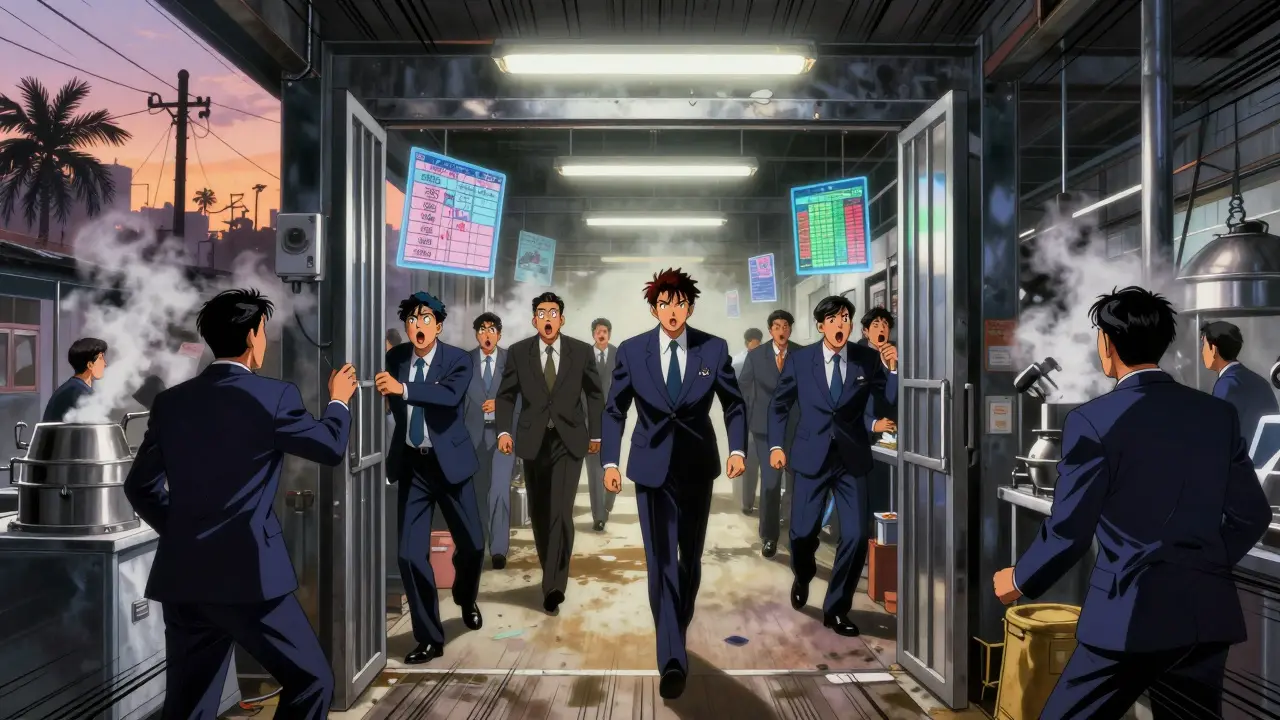
The U.S. Food and Drug Administration doesn’t just check factories in Ohio or California. Every day, FDA inspectors land in factories across India, China, Mexico, and beyond-showing up without warning, walking through production lines, and demanding access to records. If you make food or drugs for American consumers, your facility is on their radar. And since May 2024, the rules have changed. No more advance notice. No more time to clean up, rearrange, or polish the paperwork. If you’re exporting to the U.S., you’re now held to the same standard as a plant in Des Moines: unannounced inspections are the new normal.
Why the FDA Changed the Rules
For years, foreign facilities got a heads-up. The FDA would call ahead, schedule a date, and sometimes even let the company arrange travel and translators. Meanwhile, American plants got zero warning. That wasn’t fair-and it wasn’t safe. Imagine a restaurant that only cleans the kitchen when it knows the health inspector is coming. That’s what was happening overseas. In 2024, FDA Commissioner Martin A. Makary called it a “double standard.” And he ended it. Now, foreign facilities must be ready at all times. Why? Because foodborne illness doesn’t care where it comes from. About 15% of the food Americans eat is imported. That’s 1 in every 7 meals. And nearly a third of fresh produce comes from overseas. If a single contaminated shipment slips through, people get sick. Maybe even die. The FDA can’t afford to rely on notice-and-prepare inspections anymore.How the FDA Picks Who Gets Inspected
The FDA doesn’t inspect all 300,000 registered foreign facilities every year. They can’t. They have about 200 inspectors for the entire world. So they use a risk-based system. Three things decide who gets visited next:- What you make-High-risk foods like sprouts, shellfish, or infant formula get priority. Low-risk items like canned beans? Lower down the list.
- How you make it-Processes that involve water, heat treatment, or long storage times carry higher contamination risk. A facility that bottles juice without pasteurization? High risk.
- Your history-If your products got refused at the U.S. border before, you’re on the list. Repeated refusals? You’re next.
What Happens During an Unannounced Inspection
An FDA inspector walks in. No appointment. No call. They show ID, state their purpose, and start asking questions. Here’s what they’re looking for:- Documentation-All records must be immediately available. That includes sanitation logs, training records, supplier approvals, and test results. No “we’ll email them later.” No “the file is in the other room.”
- Facility conditions-Are floors clean? Are equipment parts properly sanitized? Are pests visible? Are allergens separated? Even a single rodent droppings can trigger a refusal.
- Process controls-Can you prove your pasteurization process hits 160°F for 15 seconds every time? Can you show real-time temperature logs? If you’re using a manual logbook, it better be signed and dated every hour.
- Personnel-Are workers wearing gloves? Are they trained? Can they explain their procedures in English-or is there a translator ready?
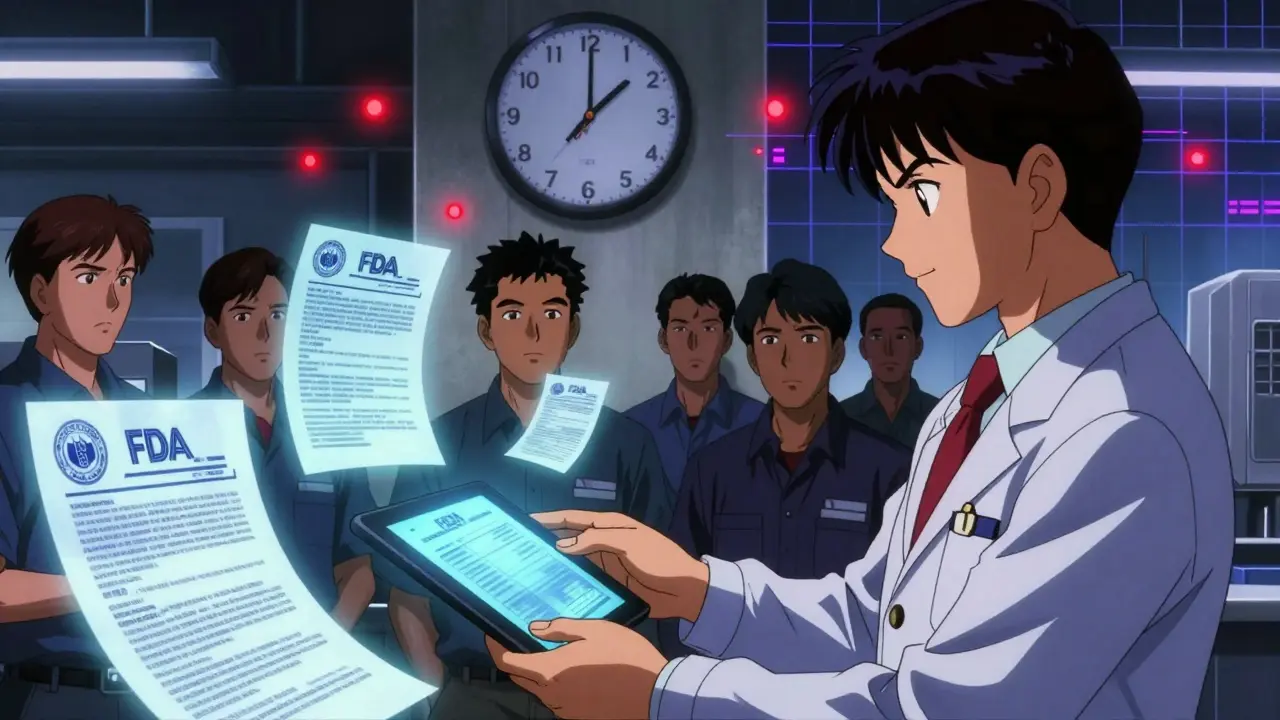
The Legal Consequences of Obstruction
It’s not just a warning letter. It’s not just a refusal at the border. If you interfere with an FDA inspection, you’re opening yourself up to criminal charges. The FDA can refer cases to the U.S. Department of Justice. That means:- Fines up to $1 million per violation
- Forfeiture of equipment or products
- Restitution payments to victims of foodborne illness
- Debarment from exporting to the U.S. for years
- Exclusion from federal healthcare programs
What Foreign Facilities Are Doing to Prepare
Companies that survive these inspections aren’t lucky. They’re prepared. Many have hired full-time bilingual quality assurance staff who work 24/7. Others use cloud-based systems where every record is automatically timestamped and accessible from anywhere. Some run monthly mock inspections-just like a fire drill. They bring in consultants to act as FDA inspectors and see what breaks. One plant in Thailand started using wearable cameras for workers. When an inspector shows up, they can replay the last 24 hours of production to prove their process was consistent. Another facility in Brazil now has a “response team” on standby-someone who can immediately pull records, translate documents, and escort inspectors without delay. The cost? A lot. But less than the cost of being shut out of the U.S. market.
Why This Matters for Global Supply Chains
The FDA’s push isn’t just about rules. It’s about trust. U.S. consumers expect their food and medicine to be safe, no matter where it’s made. If the FDA can’t verify that, they’ll block shipments. And if shipments get blocked, retailers pull products. Brands lose shelf space. Contracts get canceled. This is why major suppliers-like Nestlé, PepsiCo, or Johnson & Johnson-are investing heavily in compliance. They know their reputation depends on it. But smaller exporters? Many still think, “We’re too small to matter.” They’re wrong. In 2023, the FDA refused over 1,200 shipments from small foreign facilities. Most of them were family-run operations that didn’t have digital records or trained staff. One company in Pakistan lost $2 million in annual sales after a single inspection failure. They didn’t have a single written sanitation procedure.What You Should Do Now
If your facility exports to the U.S., here’s your checklist:- Review your FDA registration. Is it current? Did you certify you allow unannounced inspections?
- Ensure all records are digital, backed up, and accessible 24/7. Paper files won’t cut it anymore.
- Train every employee on what to do if an inspector walks in. No one should panic or hide anything.
- Hire or assign a bilingual compliance officer. Not a translator. Someone who understands U.S. regulations.
- Run at least four unannounced internal audits per year. Simulate the real thing.
- Know your risk level. If you make high-risk products, get an external audit from a third party certified by FDA.
The Bigger Picture
The FDA isn’t trying to scare foreign manufacturers. They’re trying to level the playing field. The goal isn’t to shut down factories-it’s to make sure every factory, no matter where it is, follows the same rules. That’s how you protect public health. The world is watching. The EU, Canada, and Japan are all watching how the FDA handles foreign inspections. If the U.S. can make it work, others will follow. This isn’t just about compliance. It’s about setting the global standard. For manufacturers, that means one thing: adapt or get left out. The days of preparing for inspections are over. The new rule is simple: be ready, every day.Are unannounced inspections really happening now?
Yes. Since May 2024, the FDA has expanded unannounced inspections to all foreign food and drug facilities exporting to the U.S. This applies to all registered facilities, regardless of size or location. Advance notice is no longer standard practice.
What happens if a foreign facility refuses an inspection?
The FDA will refuse entry of all products from that facility. Under FSMA Section 306, the agency has the legal right to block shipments from any facility that denies, delays, or limits an inspection. Repeated refusals can lead to permanent import bans.
Can the FDA criminally charge a foreign company?
Yes. The U.S. Department of Justice can pursue criminal charges against foreign companies that obstruct inspections. Penalties include fines up to $1 million, asset forfeiture, and debarment from exporting to the U.S. This has happened in multiple cases since 2020.
Do I need a translator during an FDA inspection?
The FDA does not provide translators. You must arrange for a qualified, bilingual staff member to be available during inspections. If you can’t communicate clearly, the inspector may assume you’re hiding something. Many facilities now hire full-time bilingual compliance officers.
How often does the FDA inspect foreign facilities?
The FDA inspects roughly 1 in 1,500 foreign facilities per year due to limited resources. However, high-risk facilities or those with prior violations may be inspected multiple times within a few years. The goal under FSMA is to inspect all facilities at least once every five years-but current capacity makes that impossible without major funding increases.
What documents should I have ready for an FDA inspection?
You must have immediate access to: sanitation logs, training records, supplier approvals, pest control reports, product testing results, process validation data, recall procedures, and your food safety plan under FSMA’s Preventive Controls rule. All documents must be in English or accompanied by certified translations.
Moses Odumbe
December 18, 2025 AT 07:46Kelly Mulder
December 20, 2025 AT 06:19Tim Goodfellow
December 20, 2025 AT 06:45Takeysha Turnquest
December 20, 2025 AT 09:09Emily P
December 21, 2025 AT 14:23Vicki Belcher
December 23, 2025 AT 13:16Aboobakar Muhammedali
December 23, 2025 AT 14:24anthony funes gomez
December 24, 2025 AT 10:34Laura Hamill
December 24, 2025 AT 11:39Kevin Motta Top
December 24, 2025 AT 23:23Alisa Silvia Bila
December 25, 2025 AT 23:33Marsha Jentzsch
December 27, 2025 AT 23:10Henry Marcus
December 28, 2025 AT 09:32Carolyn Benson
December 29, 2025 AT 06:18William Liu
December 30, 2025 AT 07:41