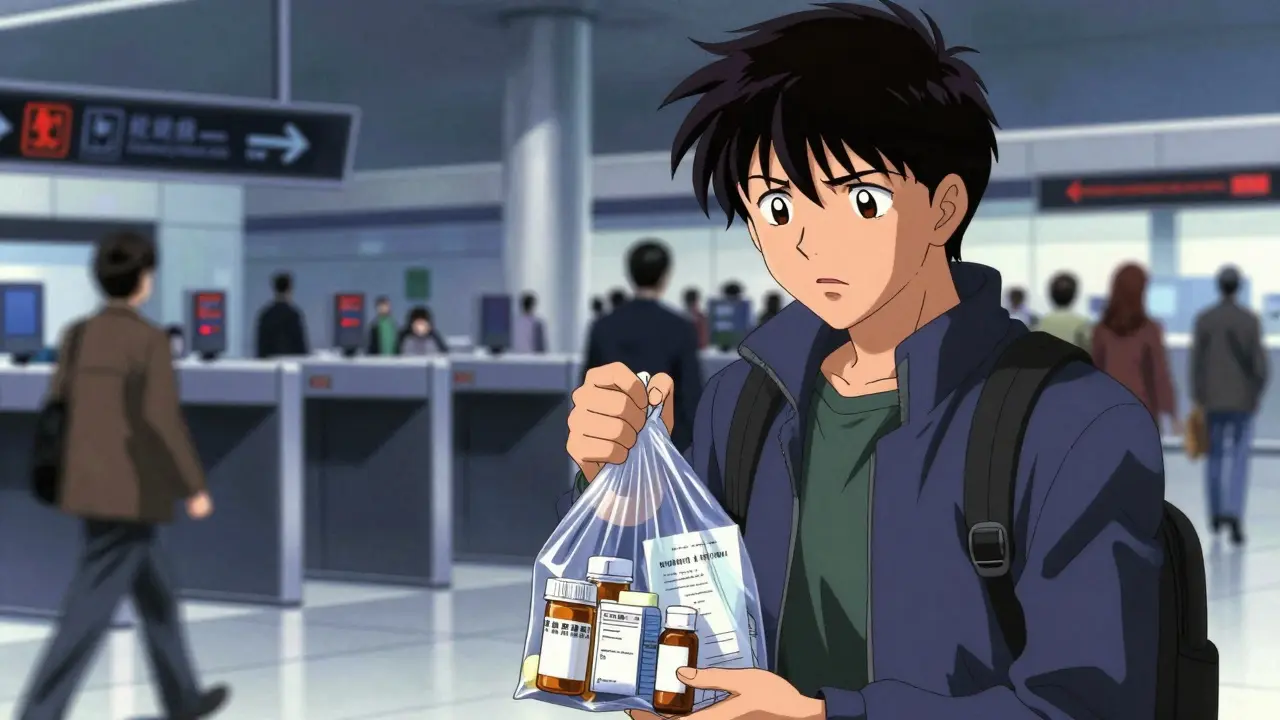
Imagine standing in a crowded airport security line, heart pounding, because you’re not sure if your daily prescription will get confiscated. Or picture yourself on vacation in a country where you don’t speak the language, realizing you’ve run out of essential medication three days early. These aren’t just worst-case scenarios; they are real problems that affect thousands of travelers every year. According to the International Association for Medical Assistance to Travelers (IAMAT), about half of all travelers face health issues while abroad, with access to medication being a top concern.
Navigating foreign pharmacy systems can feel like solving a puzzle without all the pieces. Regulations vary wildly from one border to the next. Some countries welcome your home prescriptions, while others strictly prohibit them. This guide breaks down exactly how to prepare, what to carry, and where to turn when things go wrong, ensuring your trip stays healthy and stress-free.
Packing Smart: The Golden Rules for Carrying Meds
The most common mistake travelers make is packing pills in loose containers or weekly organizers. While these are convenient at home, they are risky abroad. Customs officials need to verify that the medication belongs to you and was prescribed by a doctor. In 89% of Schengen Area countries, regulations require medications to be in their original packaging with clear pharmacy labels showing your name, the prescribing physician, and drug details.
Here is the checklist for your medication bag:
- Keep Original Containers: Never transfer pills into unlabeled bags. The label acts as proof of legitimacy.
- Carry Extra Supply: Pack at least a 10-day surplus beyond your planned trip duration. Flight delays, lost luggage, or sudden illness can happen, and this buffer reduces medication-related disruptions by 65%.
- Bring a Physician’s Letter: Get a letter from your doctor listing your conditions, medications, and dosages. Translate this letter into the destination country’s official language. Studies show this reduces confiscation incidents by 73%.
- Include Generic Names: Brand names differ globally. If your prescription says "Lexapro," ensure you also know it is "escitalopram." Pharmacists in many countries recognize generic names better than brand names.
If you use injectable medications like insulin, temperature control is critical. Insulin must stay between 2°C and 8°C (36°F to 46°F). Use insulated travel cases with ice packs, but ensure they comply with airline liquid restrictions. The International Air Transport Association provides specific guidelines for pharmaceutical handling during transit, so check those before you fly.
Understanding Global Pharmacy Systems
Not all pharmacies operate the same way. Knowing the system of your destination can save hours of frustration. In some places, you walk in and buy over-the-counter painkillers easily. In others, strict laws govern even basic remedies.
| Region/Country | Prescription Access | Emergency Options | Key Notes |
|---|---|---|---|
| United Kingdom | NHS Emergency Prescriptions | Pay standard charge (£9.65 as of 2023) | GPs can issue emergency scripts; pharmacies are widespread. |
| France | Strict Prescription Laws | 72-hour emergency supply possible | Pharmacists can provide short-term supplies under Article L. 5125-26 for certain conditions. |
| Japan | Very Limited Foreign Access | Few certified pharmacies | Only ~24 pharmacies nationwide serve foreigners well; bring ample stock. |
| Australia | Reciprocal Agreements | Subsidized for eligible countries | US travelers pay full price; PBS covers citizens of agreement nations. |
| Southeast Asia | Variable/Loose | Open markets available | High risk of counterfeit drugs (68% substandard in some areas); stick to licensed pharmacies. |
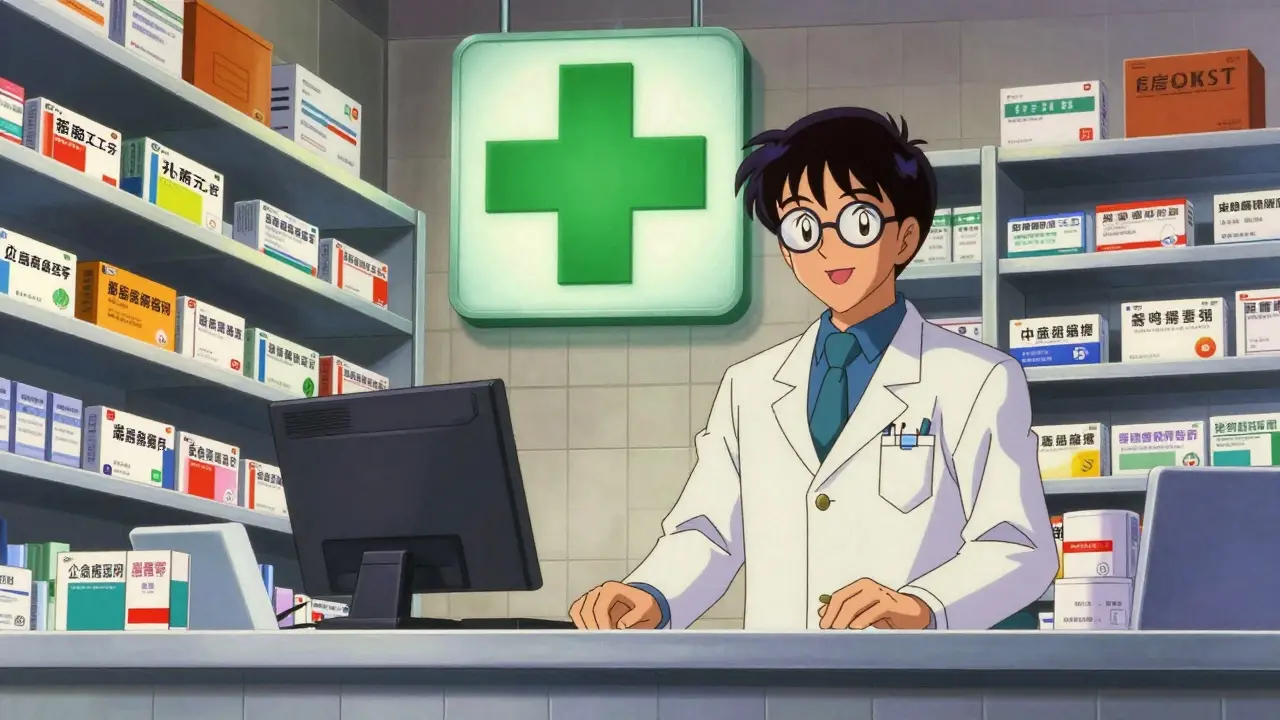
In Europe, chains like Boots and Farmacia operate across dozens of countries, offering familiar environments. However, in Southeast Asia, be cautious. A World Health Organization study found that nearly 70% of medications bought in open markets in Cambodia and Thailand contained counterfeit or substandard ingredients. Always look for the green cross sign or official pharmacy branding, and avoid buying meds from street vendors or hotel gift shops.
Handling Time Zones and Schedules
Crossing time zones messes up more than just your sleep. For 47% of travelers, time changes disrupt medication schedules, which is dangerous for drugs like anticoagulants or insulin. You cannot simply take your pill "when you remember." Consistency matters.
For once-daily medications, experts recommend keeping the same clock time as your home zone for the first two to three days. This gradual shift helps your body adjust without missing doses. For insulin users, splitting doses during the transition period is often necessary. Consult your endocrinologist before you leave to create a personalized schedule.
Dr. Michael Rodriguez from the American Pharmacists Association notes that 82% of travelers taking time-sensitive meds need specific adjustment protocols. Don’t guess-plan it out on paper before you board the plane.
What to Do in an Emergency
Despite best efforts, emergencies happen. Maybe you lose your wallet with your prescriptions, or you develop a severe allergic reaction. Here is your action plan:
- Contact IAMAT: The International Association for Medical Assistance to Travelers offers a free directory of pre-vetted doctors in 110 countries. They speak English and understand Western medical practices. Their service has an 89% satisfaction rate among users.
- Use Trusted Networks: If you are from the US, check if your pharmacy chain has international partners. Walgreens, for example, has a network in 18 countries with thousands of locations. They can sometimes help locate compatible medications.
- Visit Local Hospitals: In serious cases, go to the nearest hospital. Keep a digital copy of your medical history and insurance card on your phone. Note that Medicare Advantage plans generally do not cover international care, so rely on private travel insurance.
- Call Your Embassy: The U.S. Department of State reports a 22% increase in medication-related assistance requests. Embassies can help locate local doctors and translate documents, though they cannot pay for treatment.
Travel insurance is non-negotiable here. Policies from providers like World Nomads often cover up to $2,000 for emergency medication purchases. Read the fine print to ensure your pre-existing conditions are covered.
Digital Tools and Resources
Technology is making it easier to find help. The CDC launched the 'MedAbroad' digital tool in May 2023, which lists medication regulations for 195 nations. Before you pack, check this resource to see if your specific drug is restricted in your destination.
Additionally, the International Pharmaceutical Federation announced a global pharmacy locator API integrated with Google Maps. This means you can search for "pharmacy" on your phone and get verified results rather than random listings. Download offline maps and save key addresses before you lose cell service.
Common Pitfalls to Avoid
Even experienced travelers slip up. Here are the biggest mistakes to watch out for:
- Assuming Brand Names Are Universal: As mentioned, generics are key. Always carry both names.
- Ignoring Liquid Limits: If you carry liquid meds, declare them at security. TSA allows medically necessary liquids in reasonable quantities, but you must separate them from your other bags.
- Skipping Embassy Checks: Regulations change. A drug legal last year might be banned today. Check the embassy website for the latest updates.
- Underestimating Language Barriers: 33% of travelers report issues communicating with pharmacists. Have your medication list translated professionally, not just via an app.
By preparing thoroughly, you remove the anxiety from travel. You won’t just be a tourist; you’ll be an informed traveler who knows how to protect their health anywhere in the world.
Can I bring prescription medication into any country?
Most countries allow personal prescription medications, but rules vary. Many restrict controlled substances like opioids or ADHD meds. Always check the destination's embassy website and carry a doctor's note. Some nations limit you to a 30-day supply.
What should I do if I run out of medication abroad?
First, contact IAMAT for a local English-speaking doctor. Visit a licensed pharmacy with your original prescription bottle and a translation of your needs. Avoid open markets due to high counterfeit risks. If urgent, go to a hospital.
How do I handle insulin while traveling through different time zones?
Keep insulin between 2°C and 8°C using insulated cases. For time zones, consult your doctor beforehand. Generally, split doses during transitions or maintain home-time scheduling for the first few days to avoid blood sugar spikes.
Is it safe to buy medicine in Southeast Asia?
Be very cautious. WHO studies show high rates of counterfeit drugs in open markets in Thailand and Cambodia. Only buy from established, licensed pharmacies with proper signage. Avoid street vendors and unverified online sellers.
Does travel insurance cover medication costs?
Many comprehensive travel insurance policies, such as those from World Nomads, cover emergency medication purchases up to a certain limit (e.g., $2,000). However, standard Medicare does not cover international care. Always verify your policy details before booking.