
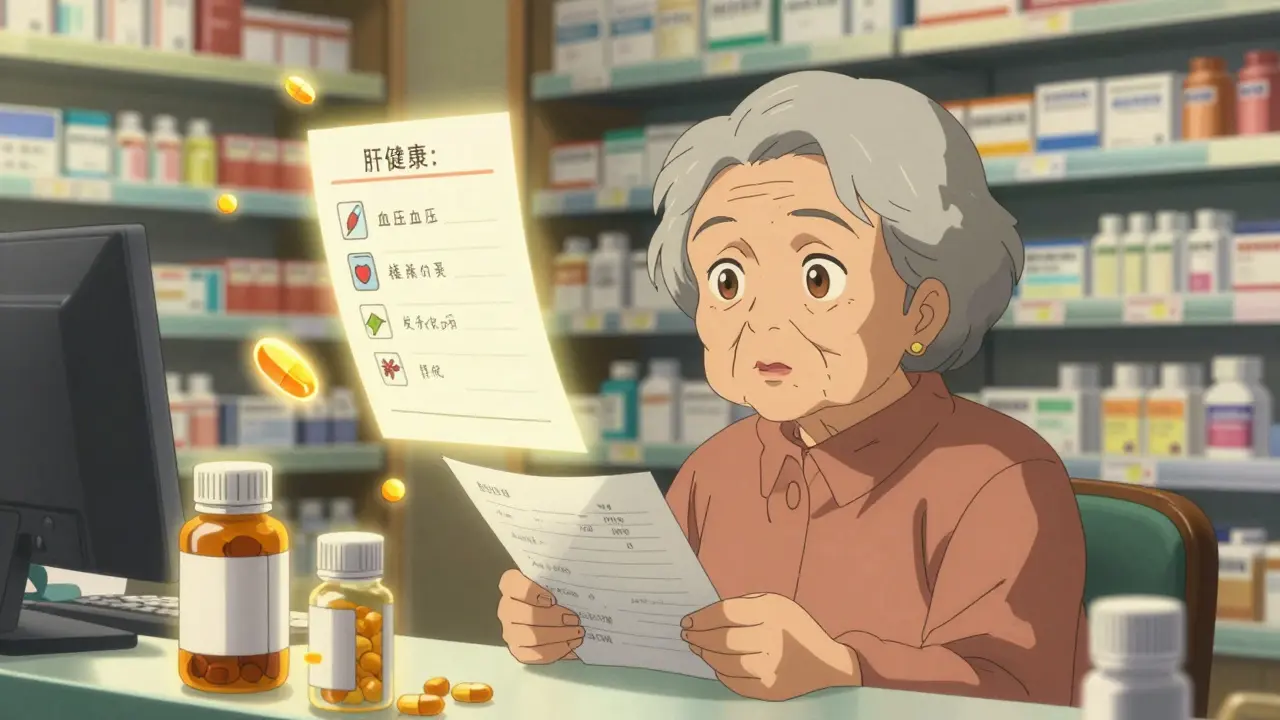
Every year, millions of Medicare beneficiaries get a chance to sit down with a pharmacist and go over every single medication they’re taking. This isn’t just a quick chat at the pharmacy counter. It’s a Medicare Annual Medication Review-a formal, structured consultation designed to catch dangerous interactions, cut unnecessary drugs, and save you money. But here’s the thing: the better you prepare, the more value you get out of it.
If you’re taking multiple medications for chronic conditions like diabetes, high blood pressure, or arthritis, this review could literally save your life. Studies show that when people show up prepared, pharmacists find serious problems-like dangerous drug combos or pills you didn’t even know you were still taking. But if you show up with nothing but a vague memory of what you take? You’re wasting a chance that costs nothing but your time.
What Exactly Is a Medicare Annual Medication Review?
The Medicare Annual Medication Review, officially called a Comprehensive Medication Review (CMR), is required by law for all Medicare Part D plans. It’s not optional. Your plan must offer it to you at least once every 12 months. And it’s not just about your prescriptions. The pharmacist will look at everything: pills, patches, vitamins, herbal supplements, even over-the-counter pain relievers like ibuprofen or antacids. These can all interact with your other meds.
The goal? To make sure you’re not taking too many drugs, the wrong ones, or ones that clash dangerously. For example, mixing blood thinners with certain herbal supplements can cause bleeding. Taking multiple painkillers that all contain acetaminophen can damage your liver. These aren’t rare mistakes-they happen all the time.
The review is done either in person or over video call. Afterward, you’ll get three documents: a Consultation Letter, a Medication Action Plan, and a Personal Medication List. These aren’t just paperwork. They’re tools you can use to talk to your doctors, track changes, and stay safe.
Who Qualifies for This Review?
You don’t need to request it-it comes to you if you meet the criteria. As of 2025, you’re eligible if you have:
- At least three chronic health conditions (like heart disease, COPD, or kidney disease)
- Between two and eight Medicare Part D-covered medications
- Spent at least $1,623 out-of-pocket on your medications in the past year
That $1,623 threshold is new for 2025. It’s lower than before, which means more people qualify now. Even if you don’t get a letter, ask your pharmacist. Many plans will still do the review if you’re on a complex regimen.
There’s also a new twist: if you have two serious conditions and are at high risk, you might qualify even if you don’t meet the usual three-condition rule. This change alone could open the review to millions more seniors.
What You Need to Gather Before Your Appointment
Don’t wing this. The pharmacist needs to see what you’re actually taking-not what you think you’re taking. A 2023 study found that seniors forget or misreport 2 to 3 medications on average. That’s a big gap when safety’s on the line.
Start by collecting:
- All prescription bottles (even empty ones)
- All over-the-counter meds (Tylenol, Advil, cold pills)
- Vitamins, minerals, and supplements (fish oil, calcium, ginkgo, etc.)
- Herbal remedies (turmeric, garlic pills, echinacea)
- Any patches, inhalers, eye drops, or creams you use daily
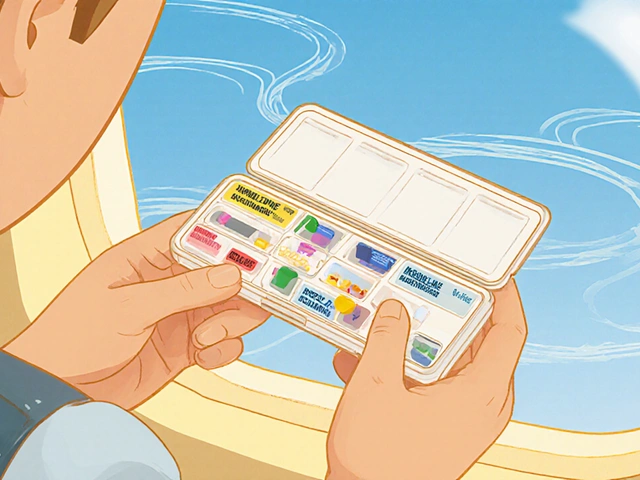
Bring the actual containers. Labels have the name, dose, and instructions. A bottle of pills without a label is useless. If you can’t find a bottle, write down the name, dose, and how often you take it. Better yet, take a photo of each label with your phone.
Write Down Your Questions and Concerns
Think about your daily life. Are you having side effects? Do you forget to take pills? Are some too expensive? These are all things the pharmacist can help with.
Make a short list:
- “I’ve been dizzy since I started this new blood pressure pill.”
- “I can’t afford my insulin every month.”
- “I take four pills in the morning and four at night. I get confused.”
- “My grandson says I shouldn’t be taking that herbal blend. Is he right?”
- “I stopped taking my cholesterol med because I didn’t feel any difference.”
Don’t be shy. Pharmacists hear this every day. They’ve seen it all. The more honest you are, the better they can help.
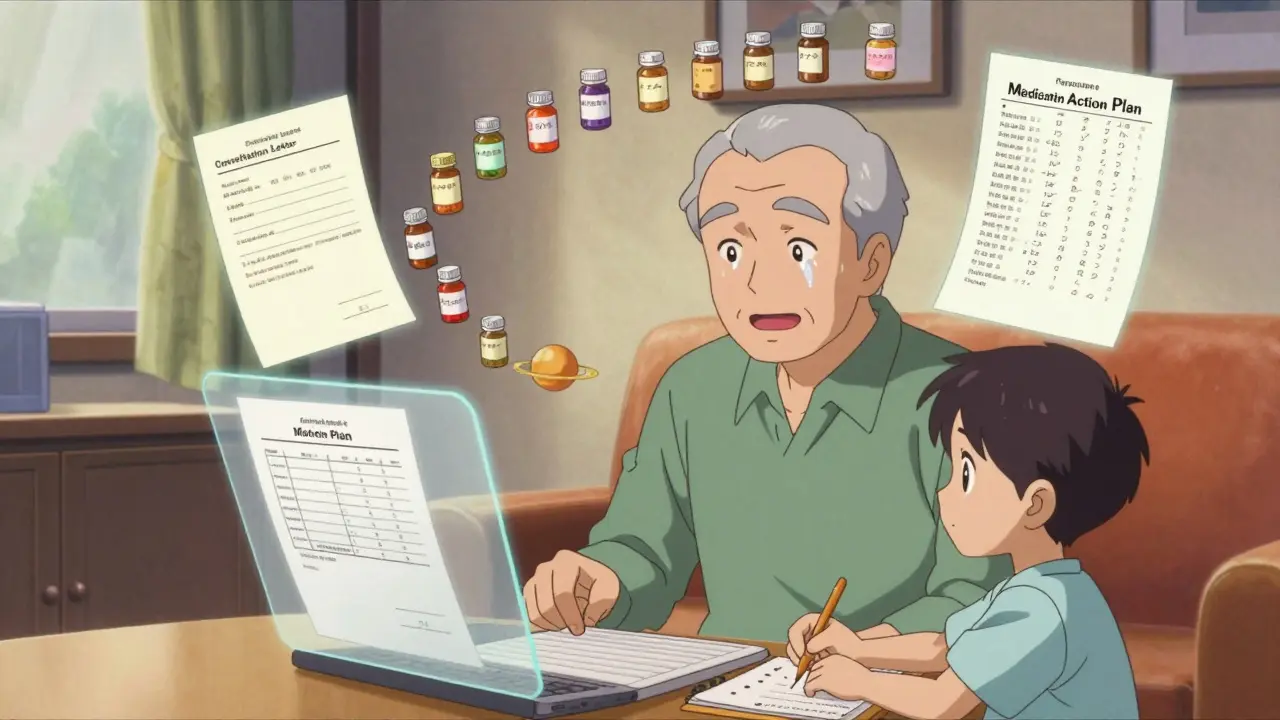
Bring a Helper
Medication reviews can be overwhelming. You’re talking about your health, your habits, your fears. It’s easy to forget what you wanted to say.
Bring a family member, friend, or caregiver. They can:
- Remember questions you forgot
- Take notes so you don’t have to
- Help you understand what the pharmacist says
- Spot things you might miss, like pills you didn’t realize you were still taking
Many people say the biggest win from their review wasn’t the advice-it was having someone there to help them remember it.
Track Your Medication Timeline
One of the most helpful tools is a simple timeline. Write down:
- When you started each medication
- When you stopped any
- When your dose changed
- Why it changed (e.g., “doctor said to lower dose after blood test”)
For example:
- Warfarin - started Jan 2023 (after stroke)
- Added metformin - June 2023 (diabetes diagnosis)
- Stopped simvastatin - Dec 2023 (muscle pain)
- Started lisinopril - Feb 2024 (new blood pressure reading)
This tells the pharmacist how your health has changed over time. It helps them see if a drug is still needed or if something might be causing a side effect.
What Happens During the Review?
The pharmacist will go through your list, check for:
- Duplicate drugs (e.g., two different pills for the same condition)
- Drug interactions (e.g., statins + grapefruit juice)
- Unnecessary medications (e.g., a pill you stopped taking but still have refills)
- Cost-saving alternatives (e.g., switching to generic or using a coupon)
- Adherence issues (e.g., skipping pills because of side effects or cost)
They’ll ask you questions like:
- “Do you take all your pills as directed?”
- “Have you had any falls or dizziness lately?”
- “Do you have trouble opening bottles or reading labels?”
Then they’ll give you a clear action plan. Maybe you need to stop one pill, switch to a cheaper brand, or start a new one. They might even call your doctor to suggest changes.
What You Should Expect After the Review
You’ll get three documents:
- Consultation Letter - A summary of what was discussed
- Medication Action Plan - Specific steps to take (e.g., “Stop ibuprofen,” “Try a different insulin,” “Call your doctor about dizziness”)
- Personal Medication List - An updated, easy-to-read list you can carry in your wallet
Keep these. Show them to your doctor at your next visit. Use the list when you go to the ER or see a new specialist. It’s your personal medication safety net.
Common Mistakes People Make
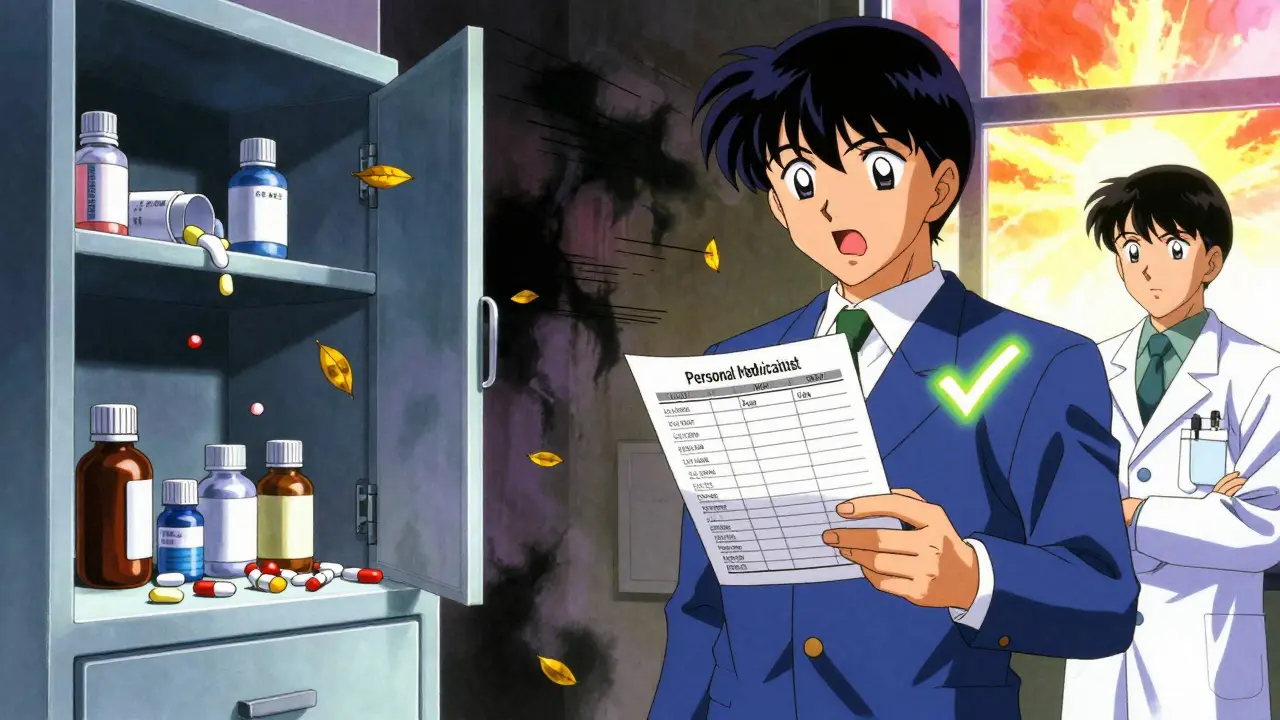
Here’s what goes wrong-and how to avoid it:
- Not bringing the actual pills - One review participant said, “I thought I knew what I was taking. Turns out I was still on a pill I stopped two years ago.”
- Forgetting OTCs and supplements - Many people don’t think these count. But 78% of harmful interactions involve these.
- Showing up unprepared - If you can’t name your meds or doses, the pharmacist can’t help you. Rescheduling wastes time.
- Not asking questions - If you don’t speak up, you’ll miss chances to save money or avoid side effects.
One man in Bristol told his pharmacist he took “vitamins.” Turns out he was taking six different supplements-some with overlapping ingredients. The pharmacist found he was getting 300% of his daily vitamin D. He cut three, saved $80 a month, and stopped feeling nauseous.
Why This Matters More Than You Think
Medicare Part D costs $106 billion a year. A lot of that money is spent on drugs that don’t help-or hurt. Studies show that properly done medication reviews reduce hospital visits by up to 30% and cut costs by $1,200 per person annually.
But here’s the real win: you get control. You stop guessing. You stop worrying. You stop taking pills that might be dangerous. And you might find out you can save hundreds a year just by switching to a generic.
This isn’t bureaucracy. It’s personalized care you’re already paying for. You just have to show up ready.
What If You Miss Your Review?
Your plan will keep trying. They’ll call, send letters, maybe even text you. But don’t wait. If you haven’t heard from them by March 2026, call your Part D plan directly. Ask for the Medication Therapy Management (MTM) department. Say: “I want my annual medication review.”
You don’t need a doctor’s note. You don’t need to prove anything. Just ask. If they say no, ask why. If they still refuse, call Medicare at 1-800-MEDICARE (1-800-633-4227). They’ll help.
Final Tips
- Do this review every year-even if you feel fine.
- Update your list after every doctor visit or pharmacy refill.
- Keep your Personal Medication List in your wallet or phone.
- Use the same pharmacy every time. It helps them track everything.
- If you’re confused, ask. Always.
The system works best when you’re part of it. You’re not just a patient. You’re the captain of your own health. And this review? It’s your radar.
Do I have to pay for the Medicare Annual Medication Review?
No, it’s completely free. It’s part of your Medicare Part D benefits. You won’t be charged a copay, deductible, or any other fee. The review is paid for by your Part D plan, as required by federal law.
Can I do the review over the phone or video instead of going to the pharmacy?
Yes. You can choose to do the review in person, over the phone, or through a secure video call. Many people prefer video because it’s easier than driving, especially if you have mobility issues. Just ask your plan when they contact you about scheduling.
What if I don’t have all my pill bottles? Can I still have the review?
You can still have the review, but it will be less effective. Pharmacists rely on the label to confirm the exact name, dose, and instructions. If you don’t have the bottles, write down everything you can: drug name, dose, how often you take it, and why. Taking photos of labels on your phone is a great backup. But bringing the actual containers is the best way to avoid mistakes.
Do I need to bring my medical records or lab results?
You don’t need to bring them, but if you have recent lab results (like kidney or liver tests) or notes from a recent hospital visit, bring them. They help the pharmacist understand why your medications might have changed. For example, if your kidney function dropped, it could mean your blood pressure medicine needs adjusting.
Can the pharmacist change my prescriptions during the review?
No, only your doctor can change a prescription. But the pharmacist can recommend changes and call your doctor on your behalf. They’ll explain why a medication might be unnecessary, dangerous, or too expensive. Your doctor will then decide whether to make the change. This is one of the biggest advantages-the pharmacist acts as your advocate.
What if I don’t want to stop a medication the pharmacist suggests?
You’re in control. The pharmacist’s job is to give you information, not to force you. If you don’t want to stop a pill-even if they say it’s not needed-you can say so. They’ll document your choice and keep it in your record. But ask why they recommend it. Sometimes the answer changes your mind.
How often should I update my medication list?
Update it every time you start, stop, or change a medication. That includes new prescriptions, OTC drugs, supplements, or even a temporary change like antibiotics. Keep your Personal Medication List updated. It’s your best tool for safety.
Is the Medicare Annual Medication Review the same as a medication therapy management (MTM) program?
Yes. The Annual Medication Review is the main part of the Medicare MTM program. MTM includes the annual review plus quarterly check-ins (called Targeted Medication Reviews) if you’re at risk for problems. The annual review is the most thorough and is required by law.
Can I get help preparing if I have trouble reading or remembering?
Yes. Ask your local Area Agency on Aging, a senior center, or a social worker. Many offer free help organizing medications. Some pharmacies have medication organizers or apps that can help you list your pills. Don’t try to do it alone if it’s hard. There’s support available.
What if I’m not eligible but I’m still taking many medications?
You can still ask for a review. Many pharmacies will do a free, informal review even if you don’t meet Medicare’s criteria. Ask your pharmacist: “Can you review my meds even if I’m not eligible?” They often will. It’s the right thing to do-and it’s safer for you.




Ali Hughey
March 16, 2026 AT 03:51Alex MC
March 17, 2026 AT 14:09Lorna Brown
March 19, 2026 AT 00:41Jimmy V
March 20, 2026 AT 11:12Kandace Bennett
March 21, 2026 AT 22:25Tim Schulz
March 23, 2026 AT 00:05Jinesh Jain
March 24, 2026 AT 05:37douglas martinez
March 25, 2026 AT 15:48