You might think that swapping a prescription pill for a natural root is always safer. It’s a common assumption, especially when you’re looking to calm anxiety without the heavy chemical feel of pharmaceuticals. But when it comes to kava (Piper methysticum) and sedative medications like benzodiazepines or sleep aids, nature can be just as dangerous as synthetic drugs-if not more so.
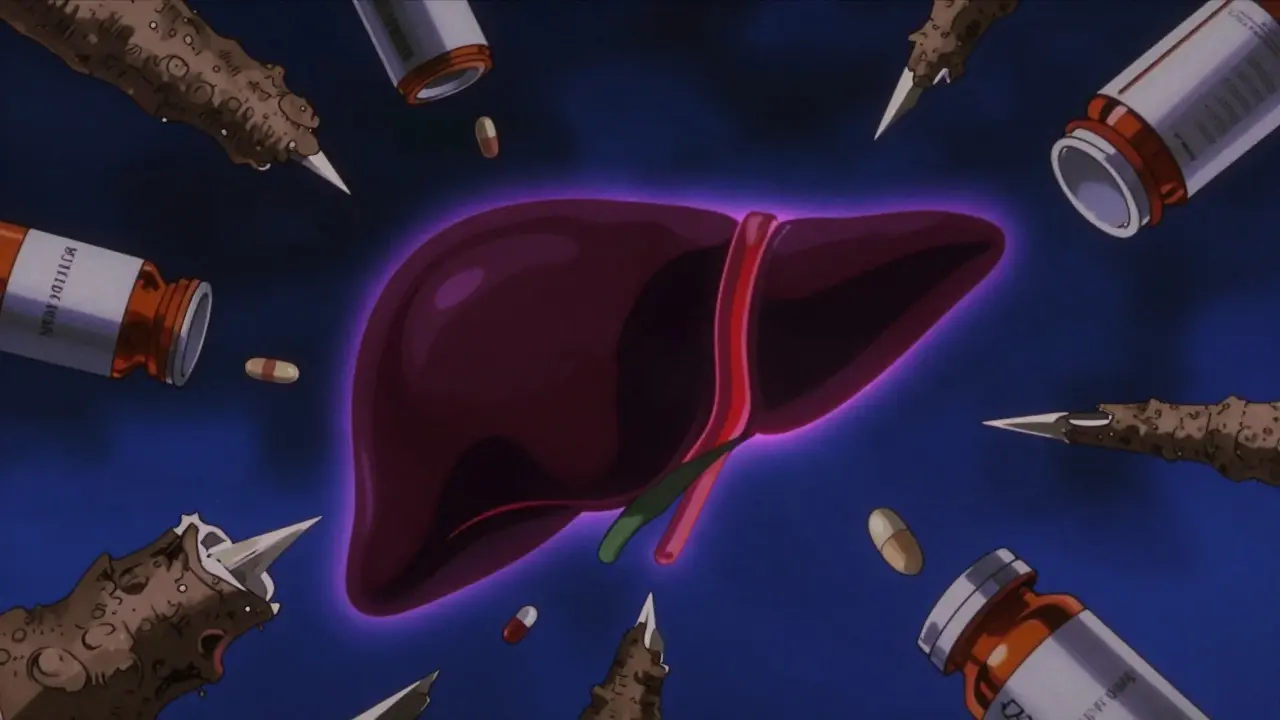
Mixing kava with prescription sedatives creates a double threat: it puts severe stress on your liver and amplifies sedation to potentially fatal levels. This isn’t theoretical fear-mongering; it’s backed by decades of medical data and international regulatory bans. If you are taking any medication that slows down your central nervous system, understanding these risks is critical for your safety.
The Double Whammy: How Kava Affects Your Body
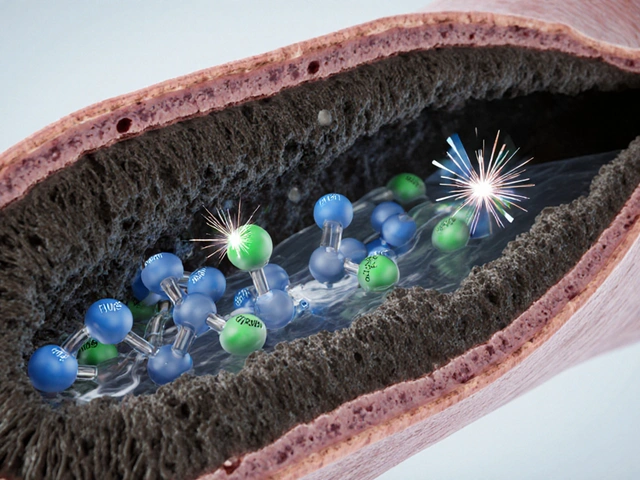
To understand why this combination is risky, we first need to look at what kava actually does inside you. Kava contains compounds called kavalactones (active ingredients responsible for sedative and anxiolytic effects). There are 18 known types, but four main ones-kavain, dihydrokavain, methysticin, and yangonin-make up about 96% of the total content in traditional preparations.
When you ingest kava, these kavalactones cross the blood-brain barrier within 15 minutes. You’ll typically feel the effects starting around 30 minutes after consumption, peaking at 90 minutes. The sensation lasts anywhere from 2 to 6 hours, depending on how much you took. During this time, kava inhibits voltage-gated sodium and calcium channels in your brain, which produces that relaxing, muscle-relaxant feeling.
However, kava doesn’t just work on your brain. It also interacts heavily with your liver. The liver uses specific enzymes, particularly the CYP450 family (including CYP2D6, CYP2C9, and CYP3A4), to break down most pharmaceutical drugs. Research from the California Department of Public Health indicates that kava can inhibit these enzymes. When these enzymes are blocked, they can’t process other medications efficiently. This means drugs stay in your system longer and at higher concentrations than intended.
Sedation Risks: When "Relaxed" Becomes Dangerous
This enzyme inhibition leads directly to the second major risk: excessive sedation. If you take kava alongside a benzodiazepine (like Xanax or Valium) or a sleep aid, you aren’t just adding two mild relaxants together. You are creating a synergistic effect where each substance makes the other stronger.
Studies show that kava can increase plasma concentrations of midazolam-a common sedative-by 27% through CYP3A4 inhibition. In real-world scenarios, this has led to alarming outcomes. For example, a case study from Sacramento County documented a 42-year-old patient who combined 300 mg of daily kava with 2 mg of alprazolam. Within 90 days, they developed jaundice and critically elevated liver enzymes. Another patient combining kava with diazepam required hospitalization for coagulopathy, a condition where the blood cannot clot properly due to liver failure.
User reports echo these clinical findings. On platforms like Reddit and Erowid, users frequently describe experiences of extreme drowsiness, confusion, and an inability to stand when mixing kava with prescribed lorazepam or alcohol. One user reported being unable to stand for eight hours after combining kava with a low dose of lorazepam. This isn’t just uncomfortable; it poses a significant risk of falls, accidents, and respiratory depression.

Liver Toxicity: The Hidden Danger
While sedation is immediate, liver damage is often silent until it becomes severe. This is why the U.S. Food and Drug Administration (FDA) issued a warning in 2002 regarding kava-associated liver injury. Since then, over 25 international adverse event reports have been documented, some requiring liver transplantation.
The mechanism isn’t fully understood, but it likely involves direct toxicity from certain kavalactones combined with the metabolic strain mentioned earlier. Symptoms of kava-induced hepatotoxicity include fatigue, nausea, and jaundice (yellowing of the skin and eyes). These symptoms typically appear 1 to 4 months after starting regular use. According to the National Center for Complementary and Integrative Health (NCCIH), fatigue is present in 89% of cases, while jaundice appears in 63%.
The severity varies, but the consequences can be permanent. Dr. Jay H. Hoofnagle, a senior investigator at the National Institute of Diabetes and Digestive and Kidney Diseases, notes that at least a dozen instances of acute liver failure have been linked to kava. While the European Union banned kava as an over-the-counter product in 2002 due to these risks, it remains available as a dietary supplement in the United States under the Dietary Supplement Health and Education Act of 1994. This regulatory gap leaves consumers largely unprotected.
| Feature | Kava (Herbal Supplement) | Prescription Benzodiazepines |
|---|---|---|
| Regulatory Oversight | Low (Dietary Supplement) | High (FDA Approved) |
| Dosing Standardization | Variable (15-60% bioavailability) | Precise and Consistent |
| Liver Injury Rate | Estimated <1:1,000,000 doses (underreported) | Approx. 1:100,000 prescriptions |
| Drug Interaction Risk | Major (Inhibits CYP450 enzymes) | Known and Managed |
| Availability in EU/UK | Banned as medicinal product | Available by Prescription |
Who Is Most at Risk?
Not everyone who takes kava will experience liver failure or extreme sedation, but certain groups face significantly higher risks. The CDC recommends that patients with pre-existing liver conditions avoid kava entirely. Even mild liver issues can be exacerbated by the toxin load kava introduces.
If you are currently taking any of the following medications, the interaction risk is categorized as "Major":
- Benzodiazepines: Alprazolam, diazepam, lorazepam, clonazepam.
- Sleep Aids: Zolpidem, eszopiclone.
- Opioids: Codeine, hydrocodone, oxycodone.
- Antipsychotics: Haloperidol (increases risk of QT prolongation).
- Antidepressants: Particularly those metabolized by CYP2D6.
Alcohol adds another layer of danger. Combining kava with alcohol creates synergistic hepatotoxicity, meaning the liver damage is greater than the sum of the two substances individually. User reviews indicate that 37% of people report severe drowsiness when mixing kava with alcohol alone, let alone prescription sedatives.

Navigating the Regulatory Gray Area
The market for kava is confusing because regulations vary wildly by region. In the United States, the global kava market was valued at $117.4 million in 2022, with 68% of sales occurring online. This direct-to-consumer model often bypasses pharmacist consultations. Meanwhile, the European Medicines Agency maintains that kava should not be used in medicinal products due to the unpredictable risk of liver damage.
In the UK, kava is banned for medicinal use, reflecting the strict stance taken by health authorities there. However, in the US, naturopathic doctors still recommend it for anxiety-41% do so, according to the American Association of Naturopathic Physicians. In contrast, only 3% of board-certified psychiatrists prescribe or recommend it. This disconnect highlights a critical gap in public awareness.
Recent developments suggest stricter scrutiny may be coming. California issued formal warnings in May 2024, and New York State proposed mandatory liver toxicity warnings on all kava products. The FDA’s 2023 Draft Guidance on Botanical Drug Products specifically identifies kava as requiring "enhanced hepatic safety monitoring."
Safety Guidelines and Mitigation Strategies
If you choose to use kava despite these risks, or if you are already using it, you must take proactive steps to protect your health. First, never mix kava with prescription sedatives, opioids, or alcohol. If you are on medication, consult your doctor before even considering kava.
Second, monitor your liver health. The American Association for the Study of Liver Diseases recommends immediate cessation of kava if ALT levels rise above three times the upper limit of normal. For those using kava while on other medications, the CDC suggests limiting intake to ≤70 mg daily and undergoing biweekly liver function monitoring. Note that 92% of mild liver cases resolve within 60 days of discontinuing kava, so early detection is key.
Third, be aware of the preparation method. Traditional water-extracted kava beverages contain approximately 150-250 mg of kavalactones per serving and have a lower incidence of adverse events compared to commercial extracts. Commercial supplements often use alcohol or acetone extraction, which can concentrate harmful non-kavalactone compounds. The World Health Organization notes that traditional water-prepared kava shows significantly fewer adverse events (0.8 per 100,000 servings) compared to commercial extracts (7.3 per 100,000 servings).
Finally, disclose your kava use to healthcare providers. A 2023 study found that only 22% of patients voluntarily disclosed kava use when presenting with liver symptoms. Doctors need this information to diagnose correctly and prevent further harm.
Can kava cause permanent liver damage?
Yes, in severe cases. While many mild cases of kava-induced liver injury resolve within 60 days of stopping use, there have been documented instances of acute liver failure requiring transplantation. The risk increases with long-term use, high doses exceeding 250 mg daily, and combination with alcohol or other hepatotoxic substances.
Is kava safe to take with antidepressants?
It depends on the specific antidepressant. Kava inhibits CYP2D6 and CYP3A4 enzymes, which metabolize many SSRIs and SNRIs. This can lead to increased levels of the antidepressant in your blood, raising the risk of side effects or serotonin syndrome. Always consult your prescribing physician before combining kava with any psychiatric medication.
Why is kava banned in Europe but sold in the US?
The European Union banned kava as a medicinal product in 2002 due to concerns over liver toxicity and insufficient safety data. In the US, kava is regulated as a dietary supplement under the DSHEA of 1994, which does not require pre-market approval for safety or efficacy. The FDA has issued warnings but lacks the authority to ban it outright without proving it is adulterated or misbranded.
What are the signs of kava-induced liver toxicity?
Common symptoms include unexplained fatigue, nausea, loss of appetite, dark urine, pale stools, and jaundice (yellowing of the skin and eyes). These symptoms typically appear 1 to 4 months after initiating regular kava use. If you experience these, stop taking kava immediately and seek medical attention.
Does traditional kava differ from commercial supplements in safety?
Yes. Traditional kava is prepared by grinding the root and mixing it with water, which extracts primarily kavalactones. Commercial supplements often use alcohol or acetone solvents, which may extract additional compounds that contribute to liver toxicity. Studies suggest traditional water-based preparations have a significantly lower rate of adverse events compared to concentrated extracts.