
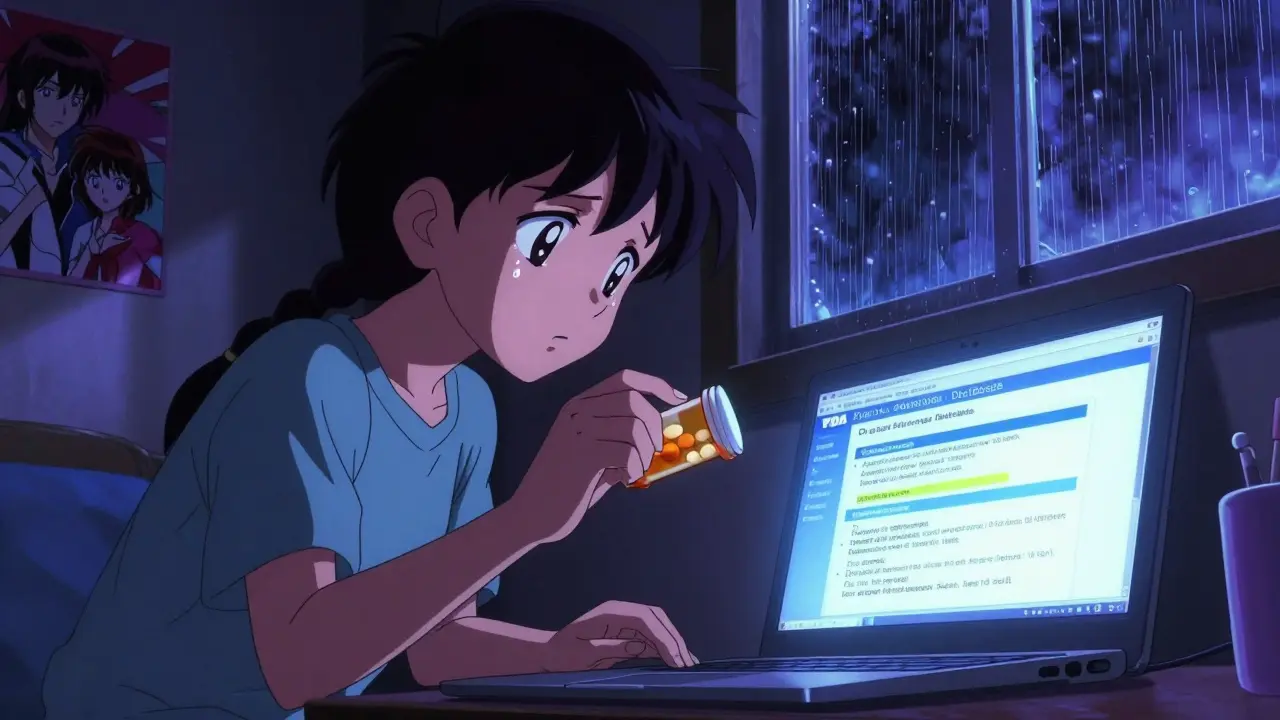
When your regular medication runs out and no pharmacy has it in stock, it’s not just inconvenient-it’s scary. You might be managing diabetes, high blood pressure, or a chronic condition that needs daily treatment. A drug shortage doesn’t wait for you to be ready. In 2025, over 258 active drug ingredients were in short supply across the U.S. and parts of Europe, with many lasting over two years. Insulin, antibiotics like amoxicillin, and even critical cancer drugs are disappearing from shelves. But you’re not helpless. There are real, proven steps you can take to keep your treatment on track.
Check the FDA Drug Shortage Database First
The FDA’s Drug Shortage Database is the most reliable public source for current shortages. It lists exactly which drugs are affected, why, and whether there are approved alternatives. For example, when Semglee (a biosimilar insulin) ran low in March 2025, the FDA confirmed that Lantus could be safely substituted without a new prescription. That’s critical information. Many patients don’t know this. They assume all insulins are the same and panic. But biosimilars like Semglee and Lantus are designed to be interchangeable. The FDA database tells you exactly which substitutions are allowed-and which aren’t.Don’t Guess-Talk to Your Pharmacist
Pharmacists are your frontline defense during a shortage. In 2025, 89% of major pharmacy chains in the U.S. and U.K. began offering dedicated shortage support services. They can tell you which nearby locations still have stock, whether mail-order options are available, and if a therapeutic alternative is safe for you. For instance, if your amoxicillin is gone, your pharmacist might suggest azithromycin-but only if your infection type allows it. They’ll also check your insurance formulary. A Blue Cross NC survey in early 2025 found that 57% of patients were confused about whether their insurance covered a substitute. Your pharmacist can clear that up instantly.Ask Your Doctor About Alternatives-Not Just Substitutes
Sometimes, you need more than a direct swap. If your GLP-1 weight loss medication is unavailable, your doctor might switch you to a different class of drug, like SGLT2 inhibitors. These work differently but can still help with blood sugar and weight. For autoimmune conditions like rheumatoid arthritis, when sarilumab was in short supply, doctors in the U.K. reduced doses or extended intervals between injections to stretch supply. This isn’t ideal, but it kept patients stable. The key is to start the conversation early. Don’t wait until your last pill is gone. Schedule a quick call or visit when you hear about a shortage. Most doctors have access to clinical tools that flag alternatives based on your medical history.Know the Difference Between Biosimilars and Generics
Not all substitutes are created equal. Generics are exact copies of brand-name drugs. Biosimilars are highly similar to biologic drugs but not identical. Semglee and Lantus are biosimilars. That means they’re treated like interchangeable products by the FDA-so switching doesn’t require a new prescription. But with some biologics, like certain cancer drugs, biosimilars aren’t automatically interchangeable. Your doctor must specifically approve the switch. Confusing the two can lead to delays or denied insurance claims. Always ask: “Is this an interchangeable biosimilar, or do I need a new prescription?”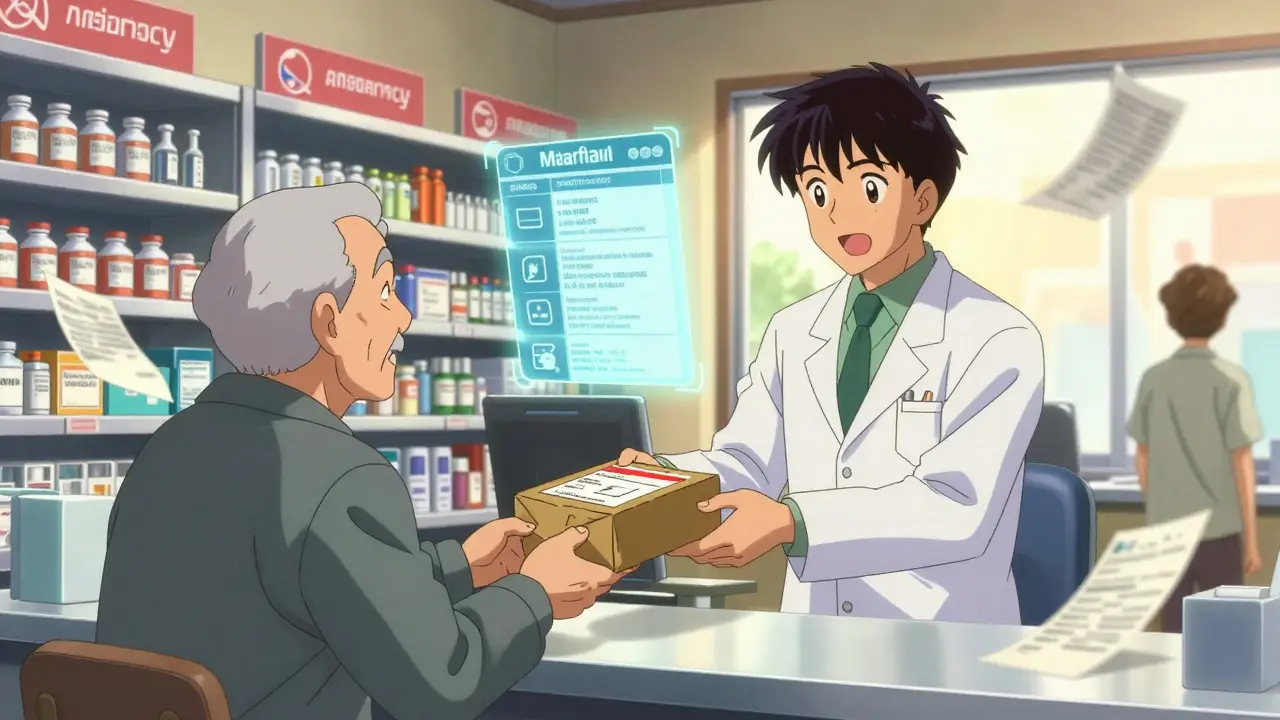
Use Mail-Order and Specialty Pharmacies
Local pharmacies often run out fast. But mail-order services and specialty pharmacies have larger inventories and better supply chains. During the 2025 insulin shortage, patients who used mail-order pharmacies reported fewer disruptions. Some insurance plans even require you to use mail-order for maintenance drugs like insulin or thyroid meds. If you’re not signed up, now’s the time. Call your insurer and ask: “Can I get my medication delivered?” Some services can ship within 48 hours. Don’t assume it’s complicated-many are simple to enroll in.Be Wary of Online Sellers and Foreign Drugs
If you’re desperate, you might see ads for cheap insulin or antibiotics from overseas websites. Avoid them. The FDA warns that over 70% of online drug sellers are illegal. You could get fake, expired, or contaminated medicine. There’s one exception: Hawaii’s Medicaid program now allows certain foreign-approved drugs during shortages, but only if they’ve been reviewed and approved by the FDA under special waivers. This isn’t something you can do on your own. It requires official authorization. Stick to U.S.-licensed pharmacies. Your safety isn’t worth the risk.Track Your Medication Supply-Don’t Wait Until It’s Gone
Set a reminder to check your supply every 30 days. If you’re on a long-term medication, keep a 10- to 14-day buffer. That gives you time to act if a shortage hits. During the amoxicillin shortage, Pfizer released production timelines. Patients who knew when supply would return could plan their antibiotic use better. If you’re unsure whether your drug is at risk, sign up for alerts from the FDA or your pharmacy. Some chains send text alerts when a drug you take is running low in your area.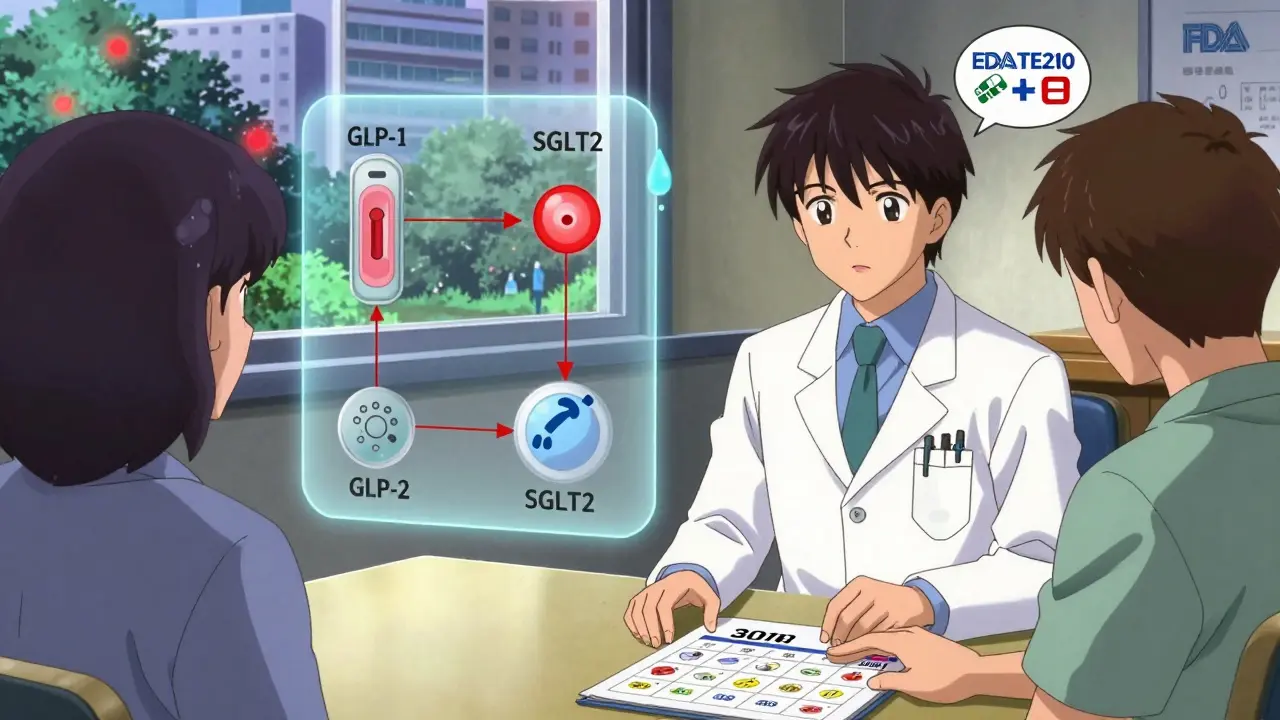
What Not to Do
Don’t skip doses. Don’t cut pills in half unless your doctor says it’s safe. Don’t share medication with someone else. And don’t stop taking your drug because you can’t find it. A 2025 survey found that 32% of patients stopped their meds during shortages-and half of them ended up in the hospital with worsening symptoms. If you can’t get your drug, call your doctor. There’s always a better option than going without.State-Level Solutions Are Emerging
Some states are taking action. New Jersey proposed letting pharmacists give emergency insulin supplies without a prescription. California and New York are stockpiling critical drugs like abortion medications and insulin in case federal policies disrupt supply. These aren’t just political moves-they’re public health safeguards. If you live in one of these states, know your rights. Ask your pharmacist: “Is there a state program that helps with emergency access?” You might be eligible for help you didn’t know existed.Long-Term Outlook: This Isn’t Getting Better Soon
Drug shortages aren’t temporary glitches-they’re systemic. Eighty-five percent of generic drugs are made by just five manufacturers. One factory shutdown can ripple across the country. The FDA increased inspections to monthly in early 2025, which helped cut new shortages by 15%. But that’s not enough. Experts predict 63% of current shortages will last longer than 18 months. The solution? Better data, more manufacturers, and smarter supply chains. Until then, your best tool is knowledge. Know your meds. Know your options. Know where to look.What should I do if my insulin is in short supply?
First, check the FDA’s Drug Shortage Database to see if your specific insulin brand is affected. If Semglee is unavailable, Lantus is an approved interchangeable substitute and doesn’t require a new prescription. Contact your pharmacy to confirm stock, and ask your doctor if switching is safe for you. If you’re on an insulin pump, don’t change brands without guidance-some pumps work only with specific formulations.
Can I use a different antibiotic if amoxicillin is gone?
Possibly, but it depends on your infection. Azithromycin is often used as an alternative, but it’s not effective for all bacterial infections. It also increases the risk of antibiotic resistance if used incorrectly. Never self-switch. Talk to your doctor or pharmacist. They’ll match the alternative to your condition, medical history, and allergies.
Why do drug shortages keep happening?
Most shortages happen because a few companies make most generic drugs-and when one factory has a quality issue, supply stops. Manufacturing delays, raw material shortages, and low profit margins on cheap medications make companies quit producing them. The system is fragile. Even a small disruption can cause a nationwide shortage.
Is it safe to take foreign-approved drugs during a shortage?
Only if your doctor or state program specifically approves it. Hawaii’s Medicaid program allows certain foreign-approved drugs under FDA waivers, but these are tightly controlled. Buying them online is dangerous. You risk counterfeit, expired, or improperly stored medication. Never purchase drugs from unlicensed websites.
How can I find out if my medication is going to be in short supply?
Sign up for alerts from the FDA’s Drug Shortage Database or your pharmacy’s notification system. Many insurers and pharmacy chains now send email or text alerts when a drug you take is at risk. You can also ask your pharmacist to monitor your prescriptions. If your medication has been on the list for months, it’s likely to stay that way-plan ahead.
What if I can’t afford the alternative medication?
Talk to your doctor or pharmacist. Many drug manufacturers offer patient assistance programs. Nonprofits like NeedyMeds and RxHope can help you find free or low-cost options. Some pharmacies have discount cards for common alternatives. Never skip your medication because of cost-there are resources available. Ask for help.
Amy Lesleighter (Wales)
December 25, 2025 AT 20:52Becky Baker
December 27, 2025 AT 04:39Rajni Jain
December 29, 2025 AT 02:45Erwin Asilom
December 30, 2025 AT 07:00Sumler Luu
December 31, 2025 AT 15:24sakshi nagpal
December 31, 2025 AT 19:21Sandeep Jain
January 2, 2026 AT 17:31Brittany Fuhs
January 3, 2026 AT 06:53Sophia Daniels
January 3, 2026 AT 22:58Nikki Brown
January 5, 2026 AT 21:37Peter sullen
January 6, 2026 AT 01:30Steven Destiny
January 6, 2026 AT 03:38Fabio Raphael
January 7, 2026 AT 15:36Natasha Sandra
January 8, 2026 AT 22:30roger dalomba
January 9, 2026 AT 12:25