

Imagine reaching for your coffee mug, only to find your hand trembling uncontrollably. You try to button your shirt, but your fingers feel stiff, like they belong to someone else. These aren’t just moments of clumsiness; they are the hallmark signs of Parkinson’s disease, a progressive neurological disorder that affects how your brain controls movement. For millions of people worldwide, this condition transforms simple daily tasks into monumental challenges. But understanding the mechanics behind these symptoms-and specifically how dopamine replacement therapy works-can empower you to manage the disease more effectively.
Parkinson’s disease isn’t just about shaking hands. It is a complex breakdown in communication within the brain. To grasp why treatments work (and sometimes stop working), we need to look at what happens inside the head before the first symptom appears. This guide breaks down the core symptoms, the science behind dopamine loss, and the practical realities of living with medication regimens in 2026.
The Core Symptoms: More Than Just a Tremor
When most people think of Parkinson’s, they picture a resting tremor. While true for many, it is only one part of a four-part clinical picture. The disease primarily impacts motor control through four distinct symptoms:
- Resting Tremor: A rhythmic shaking, often described as "pill-rolling" between the thumb and forefinger. It typically starts on one side of the body and occurs when muscles are relaxed. About 80% of patients experience this.
- Bradykinesia: Slowness of movement. This makes starting actions difficult and reduces the speed of repetitive movements, like walking or tapping fingers.
- Rigidity: Muscle stiffness. This can feel like a constant cramp or resistance when trying to move a limb, often described by doctors as "cogwheel" rigidity during exams.
- Postural Instability: Balance problems that usually appear in later stages, increasing the risk of falls.
These symptoms arise because the brain loses its ability to send smooth signals to the muscles. By the time these physical signs become noticeable, the brain has already lost approximately 60-80% of its dopamine-producing neurons in the substantia nigra. This massive cellular decline is the root cause of the movement difficulties.
Why Dopamine Matters
Dopamine is a neurotransmitter-a chemical messenger that allows nerve cells to talk to each other. In a healthy brain, dopamine acts like a lubricant for movement, ensuring that commands from the brain reach the muscles smoothly. In Parkinson’s, the neurons in the basal ganglia that produce this dopamine degenerate.
Think of it like a car running out of oil. At first, the engine (your body) still runs, but it starts to grind and make noise (tremors and stiffness). Eventually, without enough lubrication, the parts seize up. The goal of treatment is not to fix the engine itself-we cannot yet regenerate those lost neurons-but to add synthetic oil back into the system so the car can keep driving.
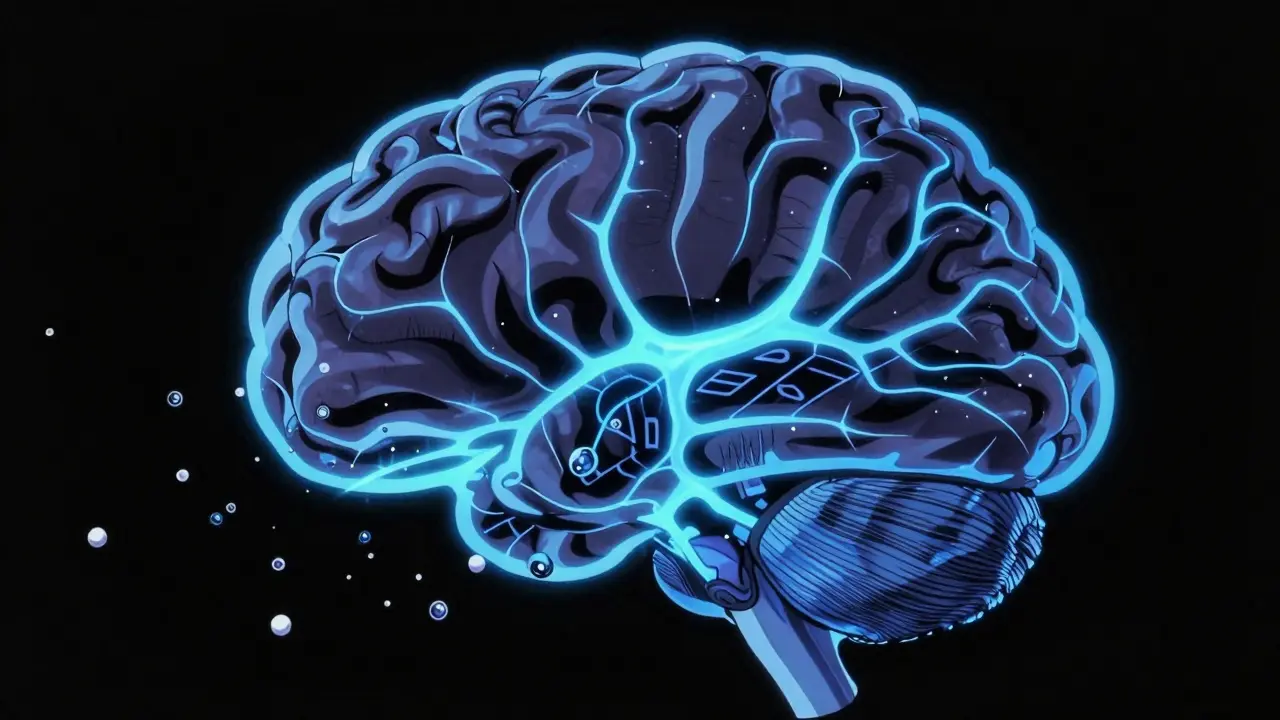
Dopamine Replacement Therapy: How It Works
Since the brain can’t make enough dopamine, doctors prescribe medications that either replace it or mimic its effects. The gold standard for this is Levodopa (L-DOPA).
Levodopa is a precursor to dopamine. Unlike dopamine itself, Levodopa can cross the blood-brain barrier-the protective shield around the brain. Once inside, it converts into dopamine. However, if taken alone, much of it would convert to dopamine in the bloodstream before reaching the brain, causing nausea and other side effects. That’s why it is almost always paired with Carbidopa.
| Medication Type | Mechanism | Effectiveness | Common Side Effects | Best For |
|---|---|---|---|---|
| Levodopa/Carbidopa | Converts to dopamine in the brain | Highest (Gold Standard) | Nausea, dyskinesias (long-term), wearing-off | All stages, especially moderate-to-severe |
| Dopamine Agonists | Mimics dopamine action directly | Moderate (30-50% of Levodopa) | Sleepiness, swelling, impulse control issues | Younger patients, early stage |
| MAO-B Inhibitors | Prevents breakdown of existing dopamine | Mild | Headache, insomnia | Very early stage, mild symptoms |
For many patients, the initial response to Levodopa is dramatic. Doctors often call this the "honeymoon period," lasting 5-10 years, where medication provides significant relief from symptoms. During this time, up to 70% improvement in motor function is possible. However, as the disease progresses, the brain’s ability to store and release dopamine becomes less efficient, leading to complications.
The Challenge of Long-Term Management
After several years, the smooth effect of Levodopa often wears thin. Patients may experience "wearing-off" episodes, where the medication stops working before the next dose is due. Others face "on-off" fluctuations, sudden shifts between moving well and being frozen. Some develop dyskinesias-involuntary, jerky movements caused by peak drug levels.
Managing these fluctuations requires precision. Timing is everything. A common issue is the "protein effect." High-protein meals can interfere with Levodopa absorption in the gut. Many patients find they need to take their medication 30-60 minutes before eating or avoid high-protein foods around dosing times. This adds a layer of complexity to daily life, with surveys showing that over half of patients struggle with medication timing.
To combat this, newer formulations have emerged. Extended-release versions like Rytary allow for fewer doses per day, providing smoother coverage. For rapid relief during "off" periods, inhalable Levodopa (Inbrija) offers symptom improvement within 10 minutes, though it comes at a significantly higher cost. Subcutaneous infusions are also gaining traction, delivering continuous dopamine directly into the body to bypass the gut entirely.
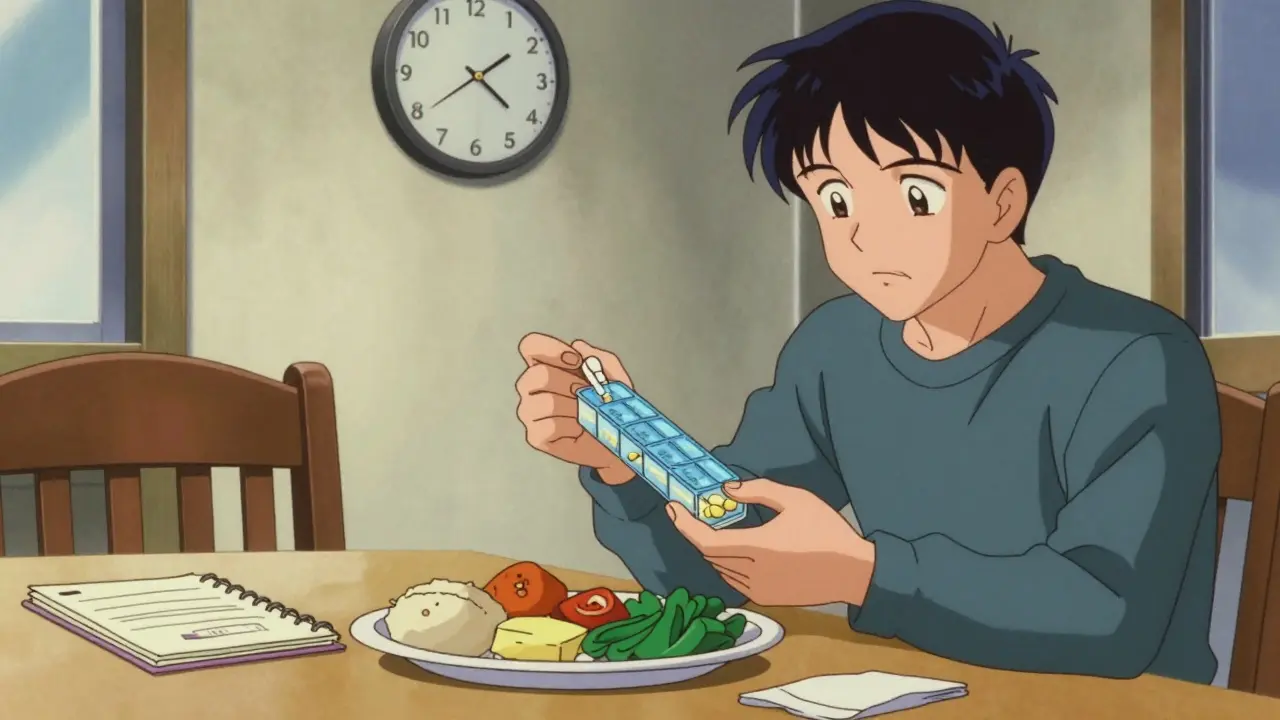
Personalizing Your Treatment Plan
There is no one-size-fits-all approach. Neurologists now favor a "start low, go slow" strategy, particularly for younger patients under 60. Starting with lower doses or using dopamine agonists first can delay the onset of motor complications associated with long-term Levodopa use. However, this must be balanced against quality of life. If symptoms are severely impacting daily activities, waiting might not be the best option.
Dr. Helen Brontë-Stewart, a neurology professor, emphasizes that treatment decisions should be individualized based on age, symptom severity, and personal goals. For an active 45-year-old, avoiding dyskinesias might be the priority. For an 80-year-old, maximizing mobility and reducing fall risk takes precedence.
Living With Parkinson’s: Practical Tips
Beyond medication, lifestyle plays a crucial role. Regular exercise, particularly aerobic activity and strength training, has been shown to support brain health and improve motor symptoms. Physical therapy can help address rigidity and balance issues. Speech therapy may be needed later in the disease to manage soft speech.
Caregiver support is also vital. As medication schedules become more complex, involving a partner or family member in managing doses can reduce stress and ensure consistency. Keeping a symptom diary can help identify patterns, such as specific triggers for "off" episodes or which foods interfere with medication.
Can Parkinson’s disease be cured?
Currently, there is no cure for Parkinson’s disease. Treatments focus on managing symptoms and improving quality of life. Research into gene therapies and stem cell treatments is ongoing, but these are not yet available as standard care.
What causes the tremors in Parkinson’s?
Tremors are caused by the loss of dopamine-producing neurons in the substantia nigra. This loss disrupts the brain’s ability to regulate movement, leading to involuntary rhythmic shaking, especially when at rest.
How long does the "honeymoon period" last?
The honeymoon period, where Levodopa provides consistent and effective symptom relief, typically lasts 5 to 10 years after starting treatment. After this, motor complications like wearing-off or dyskinesias may develop.
Does diet affect Parkinson’s medication?
Yes, high-protein meals can interfere with the absorption of Levodopa. It is often recommended to take medication 30-60 minutes before meals or to limit protein intake around dosing times to maintain effectiveness.
Are dopamine agonists better than Levodopa?
Dopamine agonists are generally less effective than Levodopa but have a lower risk of causing dyskinesias. They are often used as a first-line treatment for younger patients to delay the introduction of Levodopa and its long-term side effects.
Understanding Parkinson’s disease is the first step toward managing it. By recognizing the role of dopamine, acknowledging the limitations of current therapies, and adopting a proactive approach to lifestyle and medication, you can navigate this journey with greater confidence and control.