
Imagine you’ve been stable on a specific medication for years. Then, one day, the pharmacy hands you a different box with a different color pill. It’s the same active ingredient, technically, but something feels off. For most patients, this is the reality of generic substitution-a system designed to save money that works beautifully until it doesn’t. That’s where prescriber override comes in. It is the legal safety valve that allows a physician to step in and say, “No, this patient needs the brand name.”
This mechanism isn’t just about preference; it’s a critical balance between cost containment and clinical necessity. While generic drugs saved the U.S. healthcare system approximately $2.2 trillion between 2010 and 2019, there are specific medical scenarios where swapping brands can lead to serious health consequences. Understanding when and how physicians can force brand dispensing is essential for both prescribers managing complex cases and patients who rely on precise dosing.
The Legal Framework Behind Generic Substitution
To understand why an override is necessary, you first have to understand the rule being broken. The foundation of modern drug substitution lies in the 1984 Hatch-Waxman Act. This legislation created the pathway for generic approval while establishing state-level substitution laws. Today, all 50 U.S. states and territories have implemented these laws, though they operate differently.
There are two main types of substitution frameworks:
- Mandatory Substitution (35 states): Pharmacists must default to generics for multi-source drugs unless instructed otherwise.
- Permissive Substitution (15 states): Pharmacists have the discretion to substitute or not, based on their professional judgment.
In mandatory states, the pharmacist is legally required to swap the brand for a generic equivalent. This is where the prescriber override becomes powerful. It is the only way to bypass this automatic process. The core purpose of this mechanism is to accommodate medically justified scenarios-such as allergies to inactive ingredients or documented therapeutic failure-while still allowing the massive cost savings of generics in appropriate cases.
How Prescriber Override Works: The DAW Codes
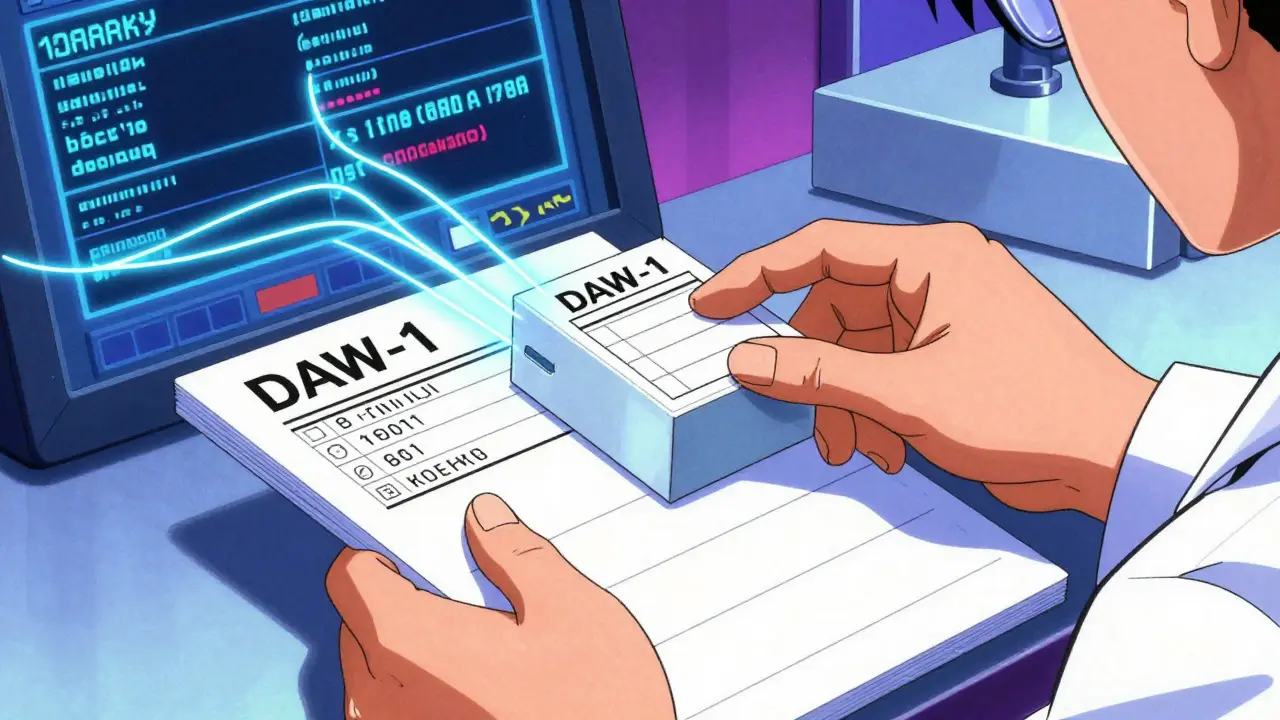
The technical engine behind prescriber override is the National Council for Prescription Drug Programs (NCPDP) Telecommunications Standard. Specifically, it relies on "Dispense as Written" (DAW) codes. These are standardized signals sent from the doctor’s office to the pharmacy’s computer system.
The most critical code here is DAW-1, which signifies 'Substitution Not Allowed by Prescriber'. When a physician selects DAW-1, they are explicitly mandating that the brand-name medication be dispensed. However, the system includes nine standardized options to cover various situations:
| Code | Meaning | Who Initiates? |
|---|---|---|
| DAW-1 | Substitution Not Allowed by Prescriber | Physician |
| DAW-2 | Patient Requested Brand | Patient |
| DAW-3 | Pharmacist Selected Generic | Pharmacist |
| DAW-4 | Generic Unavailable | System/Pharmacy |
| DAW-7 | Brand Mandated by Law | Regulatory Body |
While DAW-1 is the primary tool for physicians, misuse is common. Research shows that inappropriate override usage contributes to an estimated $7.8 billion in unnecessary annual healthcare spending. The key is using DAW-1 only when clinically justified, not out of habit or patient pressure alone.
State-Specific Documentation Requirements
Here is where it gets complicated. The United States does not have a single uniform standard for how a prescriber must document an override. State protocols vary significantly, creating a patchwork of requirements that often leads to errors.
For example:
- Illinois: Mandates prescribers mark a designated 'May Not Substitute' box per Section 225 ILCS 85/25.
- Kentucky: Requires 'Brand Medically Necessary' handwritten directly on the prescription.
- Massachusetts: Accepts 'No Substitution' notation.
- Michigan: Requires 'DAW' or 'Dispense as Written' handwritten by the prescriber.
- Oregon: Permits written, telephonic, or electronic communication specifying no substitution, but prohibits default values.
This lack of standardization creates administrative burdens. A study published in PubMed revealed that only 58.3% of physicians correctly understood their state's override requirements. Another 22.7% reported unintentionally allowing substitutions due to documentation errors. If you practice across state lines, this variation is a genuine risk factor for medication errors.
Clinical Indications for Forcing Brand Dispensing
When should a physician actually use this power? It’s not just about patient comfort. There are specific clinical scenarios where generic substitution poses a real threat to health outcomes.
Narrow Therapeutic Index (NTI) Drugs Medications like warfarin, phenytoin, and levothyroxine have a very small margin between a therapeutic dose and a toxic one. Even minor differences in bioavailability between brands and generics can cause blood levels to swing dangerously. Avalere Health’s analysis showed that DAW-1 usage rates are highest in anticonvulsants (14.8%) and psychiatric medications (12.3%), reflecting these clinical concerns.
Allergies to Inactive Ingredients Generic drugs must have the same active ingredient as the brand, but they can contain different fillers, dyes, or binders. A patient might be perfectly fine with the brand’s lactose-free formula but allergic to the generic’s cornstarch base. In these cases, DAW-1 is medically necessary.
Documented Therapeutic Failure If a patient has been stable on a brand, switches to a generic, and experiences adverse effects or loss of efficacy, switching back requires an override. The Institute for Safe Medication Practices documented 27 adverse events between 2018 and 2022 linked to inappropriate substitution of NTI drugs when override instructions were improperly processed.
The Role of the FDA Orange Book
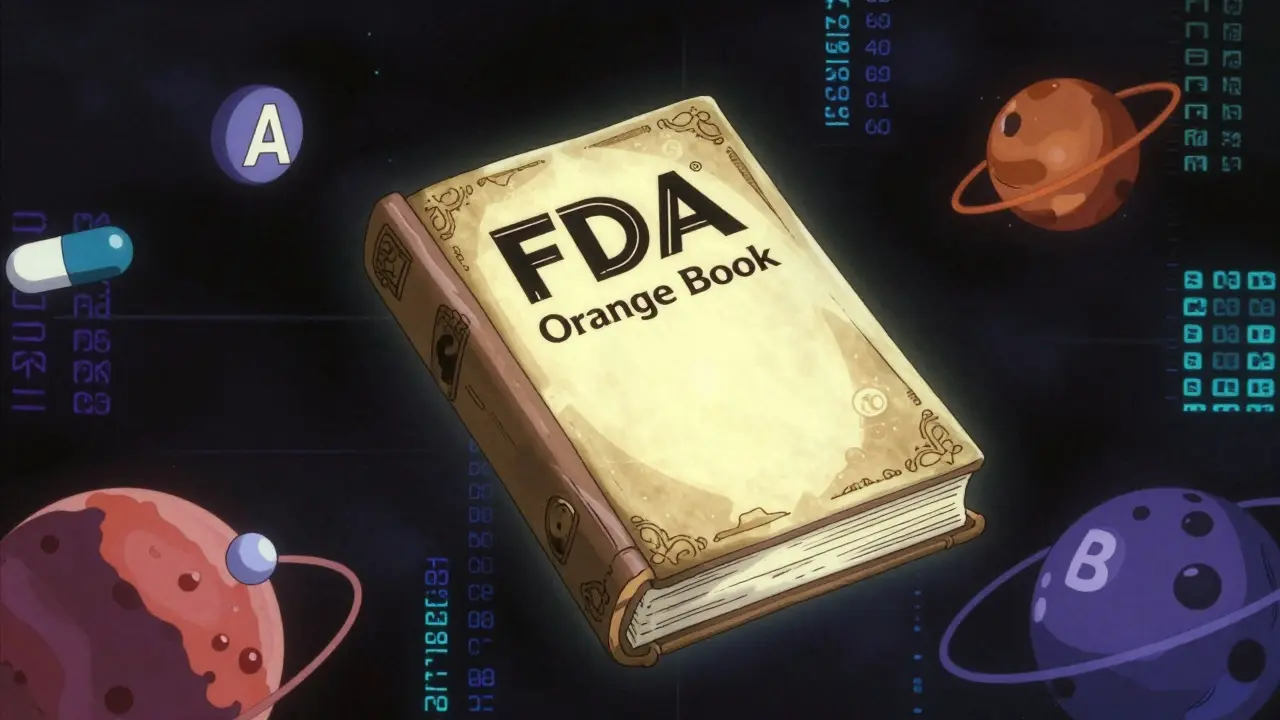
Before a pharmacist substitutes a drug, they typically check the FDA’s Orange Book, formally known as 'Approved Drug Products with Therapeutic Equivalence Evaluations'. This federal reference assigns therapeutic equivalence codes to determine if products are substitutable.
Products with an 'A' rating are considered therapeutically equivalent and safe to substitute. Those with a 'B' rating are not deemed therapeutically equivalent. While the FDA does not legally mandate the use of the Orange Book, 42 states reference it in their pharmacy regulations. Pharmacists must verify this equivalence before substituting, unless a prescriber overrides them with a DAW-1 code. This book serves as the scientific backbone for the entire substitution debate.
Challenges and Pitfalls in Implementation
Even with clear rules, implementation is messy. Electronic Health Records (EHRs) are often the culprit. Many EHR templates don’t match state-specific requirements, leading to prescriptions that look correct to the doctor but fail at the pharmacy counter.
A 2022 AMA survey found that 52% of physicians reported difficulties with EHR templates that didn’t align with state laws. Additionally, pharmacies frequently request additional documentation, causing delays. Insurance denials are another hurdle; 87% of Medicare Part D plans use DAW-1 designations as a trigger for prior authorization requirements. This means forcing a brand often starts a bureaucratic chain reaction that can delay treatment.
Dr. Jerry Avorn of Harvard Medical School noted that this patchwork of requirements creates unnecessary administrative burden. The average time to properly document an override increases prescription processing by 1.7 minutes per prescription. While that sounds small, it adds up quickly in high-volume practices.
Best Practices for Physicians and Patients
How can we reduce errors and ensure patients get what they need? Here are practical steps based on current data:
- Know Your State’s Rules: Don’t assume your local protocol applies everywhere. Use the National Association of Boards of Pharmacy’s interactive state requirement map to stay updated.
- Use Standardized Terminology: Avoid vague notes like “patient prefers brand.” Use specific language like “Brand Medically Necessary” or select the correct DAW code in your e-prescribing system.
- Verify EHR Integration: Ensure your clinic’s software supports the latest NCPDP standards. Optimized systems can reduce documentation time to under one minute.
- Educate Patients: Explain why an override is needed. If a patient understands that a switch could destabilize their condition, they are more likely to advocate for themselves if the pharmacy makes an error.
- Check the Orange Book: Before overriding, confirm if the generic is actually rated 'B' or if there’s a specific clinical reason to avoid the 'A' rated generic. This strengthens your case against insurance pushback.
Standardized DAW documentation protocols have been shown to reduce override-related medication errors by over 40% in some clinics. Small changes in workflow can have significant impacts on patient safety.
Future Trends and Federal Standardization
The landscape is shifting. In 2023, Congress introduced the Standardized Prescriber Override Protocol Act, aiming to create uniform federal requirements for brand-name dispensing requests. This would eliminate the confusing state-by-state variations that currently plague practitioners.
Additionally, the FDA has accelerated Orange Book modernization. Version 4.0, released in January 2023, added biosimilar interchangeability designations. As biologics become more common, override protocols will need to adapt to these new categories. NCPDP also plans to integrate override requirements directly into the SCRIPT 201905 e-prescribing standard by late 2024, promising smoother electronic transactions.
Despite these advancements, reliance on overrides remains high. California’s Medi-Cal Rx program reported a 22.3% increase in DAW-1 usage between 2020 and 2022. This suggests that while technology improves, the clinical need for precise medication management continues to grow.
What is a prescriber override?
A prescriber override is a legal mechanism that allows a physician to mandate that a specific brand-name medication be dispensed instead of a generic equivalent. This bypasses standard generic substitution protocols, typically using a DAW-1 code, to ensure clinical necessity or address patient-specific issues like allergies.
Why do doctors force brand dispensing?
Doctors force brand dispensing primarily for narrow therapeutic index (NTI) drugs where small dosage variations matter, for patients allergic to inactive ingredients in generics, or when a patient has experienced therapeutic failure with a generic alternative. It ensures patient safety and consistent treatment outcomes.
Do all states allow prescriber overrides?
Yes, all 50 U.S. states and territories have generic substitution laws that include mechanisms for prescriber overrides. However, the specific documentation requirements-such as handwriting certain phrases or checking specific boxes-vary significantly from state to state.
What is the difference between DAW-1 and DAW-2?
DAW-1 indicates that the prescriber has mandated the brand name ('Substitution Not Allowed by Prescriber'). DAW-2 indicates that the patient requested the brand name. Both result in the brand being dispensed, but DAW-1 carries more weight regarding medical necessity and insurance coverage policies.
How much does forcing brand dispensing cost?
Research indicates that DAW-1 prescriptions cost an average of 32.7% more than substituted generics. Inappropriate override usage contributes to an estimated $7.8 billion in unnecessary annual healthcare spending in the U.S., highlighting the importance of using overrides only when clinically justified.