Child Eye Health: Common Issues, Warning Signs, and What Parents Need to Know
When it comes to child eye health, the way a child’s visual system develops during early years shapes their learning, coordination, and even social skills. Also known as pediatric vision, it’s not just about whether they can read the chart at the doctor’s office—it’s about whether their brain is properly processing what their eyes see. Many parents assume if a child doesn’t complain about blurry vision, their eyes are fine. But kids rarely say their vision is off because they don’t know what normal looks like. That’s why silent problems like amblyopia, a condition where one eye doesn’t develop proper vision even with glasses or strabismus, where eyes don’t align properly and can turn inward, outward, up, or down often go unnoticed until it’s harder to fix.
These aren’t rare issues. About 1 in 20 children have some form of treatable vision problem before age six. Amblyopia, often called "lazy eye," affects 2-4% of kids and is the leading cause of preventable vision loss in children. Strabismus shows up in about 4% of children and can lead to amblyopia if untreated. Both respond best to early intervention—before age seven, when the visual system is still wiring itself. That’s why the American Academy of Ophthalmology recommends the first eye exam at six months, again at three years, and before starting school. No symptoms? Still go. A child might squint, tilt their head, sit too close to the TV, or rub their eyes constantly—these aren’t just habits, they’re red flags.
It’s not just about glasses. Conditions like congenital cataracts, retinoblastoma (a rare eye tumor), or even undiagnosed astigmatism can quietly affect development. And while some kids get screened at school, those tests only catch the most obvious problems. A full pediatric eye exam checks eye movement, focusing, depth perception, and how well the eyes work together—not just clarity. The good news? Most of these issues are fixable if caught early. Patching, special glasses, or even surgery in some cases can restore normal vision and prevent lifelong challenges in school and beyond.
What you’ll find in the posts below isn’t a list of generic tips. It’s real, evidence-based insights on what actually matters when it comes to protecting your child’s vision. From how early peanut exposure might influence eye development (yes, it’s connected) to what parents miss during routine checkups, these articles cut through the noise. You’ll learn what signs to watch for at home, why some eye exams are free under insurance, and how to talk to your pediatrician when something feels off. This isn’t about panic—it’s about knowing what to look for before it’s too late.
Pediatric Vision Screening: How Early Detection Prevents Lifelong Vision Problems
By Lindsey Smith On 1 Dec, 2025 Comments (15)
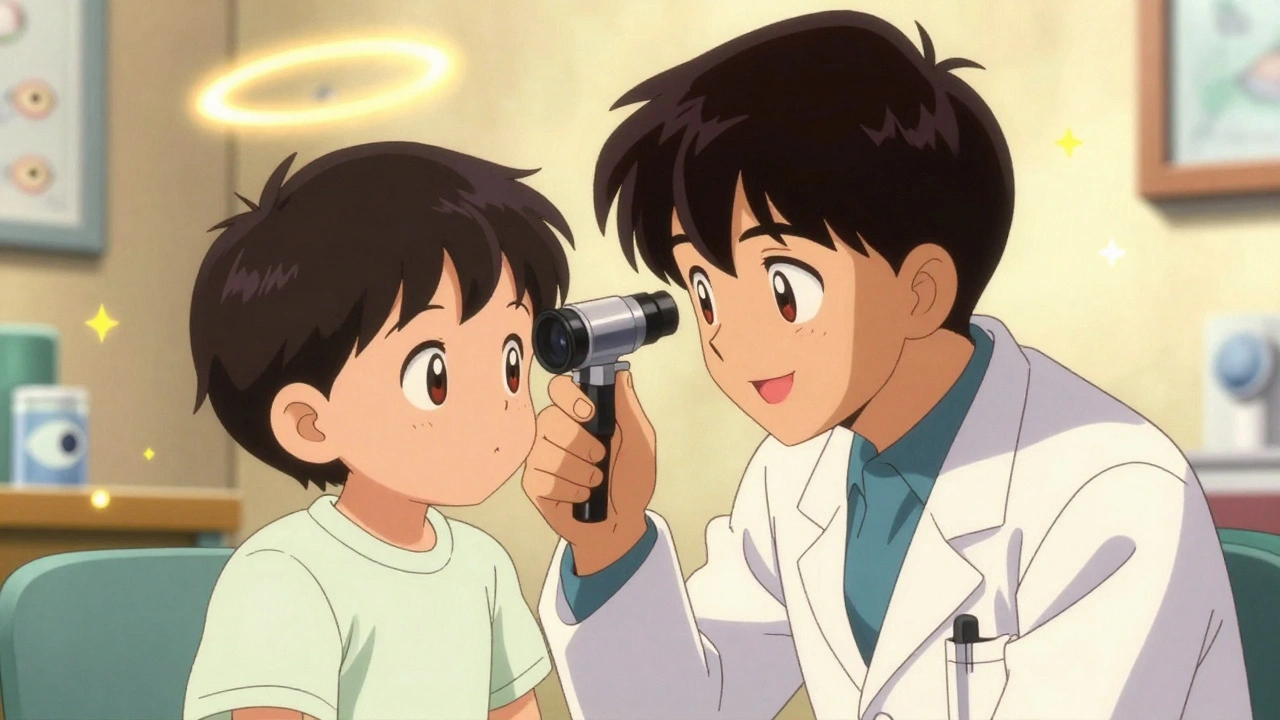
Pediatric vision screening catches sight problems like amblyopia and strabismus early, when treatment is most effective. Learn how, when, and why screening before age 5 can prevent lifelong vision loss.
View More