Naloxone Step by Step: How to Use It in an Opioid Emergency
When someone overdoses on opioids, every second counts. naloxone, a life-saving medication that rapidly reverses opioid overdose by blocking opioid receptors in the brain. Also known as Narcan, it’s not a cure—it’s a rescue tool that buys time until emergency help arrives. It doesn’t work on alcohol, benzodiazepines, or stimulants. But if the person took heroin, fentanyl, oxycodone, or any other opioid, naloxone can bring them back from the brink.
People who use opioids, their family members, friends, or even strangers in public spaces can carry and use naloxone. You don’t need to be a doctor. You don’t need a prescription in most places. The opioid overdose, a condition where breathing slows or stops due to too much opioid in the system often looks like someone who’s passed out and won’t wake up, even when you shake them or shout. Their skin may turn blue or gray, their lips are pale, and their breathing is shallow or gone. That’s when naloxone is needed—right now.
Using naloxone step by step is simple. First, call 911. Then, if the person isn’t breathing, start chest compressions. While someone else calls for help, prepare the naloxone. Most versions today are nasal sprays—you don’t need a needle. Tilt the head back, insert the nozzle into one nostril, and press the plunger firmly. You can give a second dose after 2 to 3 minutes if there’s no response. The person might wake up confused, angry, or sick. That’s normal. Naloxone doesn’t feel good. But they’re alive. And they need medical care, even if they seem fine. Opioids can come back into the system after naloxone wears off, and that’s when the overdose risk returns.
Naloxone doesn’t replace treatment, but it gives people a second chance. Many who’ve been revived with naloxone go on to get help for addiction. Others just need someone to know what to do when things go wrong. That’s why community groups, pharmacies, and even schools now hand out naloxone kits. It’s not about enabling use—it’s about preventing death. And it works. In cities where naloxone is widely available, overdose deaths have dropped.
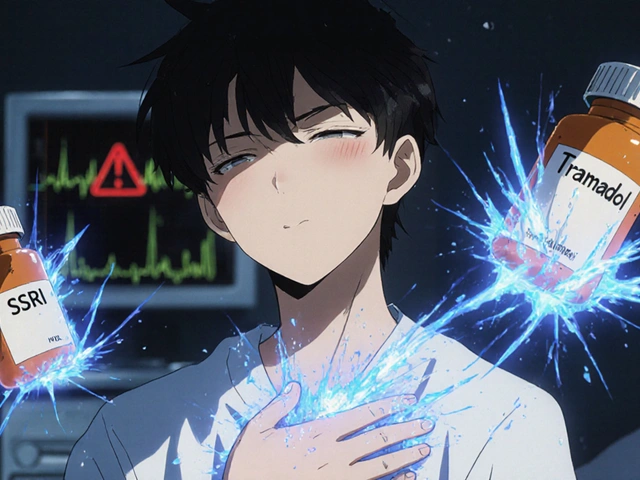
What you’ll find in these posts are real-world stories and clear instructions on how naloxone fits into larger health systems. You’ll see how it’s used in hospitals, how first responders carry it, and how families keep it in their medicine cabinets. You’ll also learn about the risks of combining opioids with other drugs, why some people need more than one dose, and how to store naloxone so it works when you need it most. This isn’t theory. It’s what saves lives every day.
How to Use Naloxone Nasal Spray for Opioid Overdose: Step-by-Step Guide
By Lindsey Smith On 27 Nov, 2025 Comments (15)

Learn how to use naloxone nasal spray to reverse an opioid overdose in 9 simple steps. Includes signs of overdose, dosing tips for fentanyl, what to do after giving naloxone, and where to get it without a prescription.
View More