Pediatric Vision Screening: What Parents Need to Know
When we talk about pediatric vision screening, a simple, non-invasive check designed to detect eye problems in young children before they affect learning or development. It's not just about seeing the big E on a chart—it's about catching issues like lazy eye, crossed eyes, or focusing problems while the brain is still learning how to process visual input. Many parents assume if their child isn’t squinting or rubbing their eyes, their vision is fine. But most vision problems in kids show no obvious signs until they’re already impacting school performance or social behavior.
Vision development, the process by which a child’s eyes and brain learn to work together happens mostly before age 8. That’s why timing matters. A child who can’t focus on a book or track a moving ball might not say anything—they don’t know what normal looks like. Children's eye health, including conditions like amblyopia and strabismus, is often missed in routine pediatric checkups unless a specific screening is done. The American Academy of Pediatrics recommends screenings at 6 months, 3 years, and before starting school, with follow-ups if risk factors like prematurity or family history are present.
Screening tools vary. Some clinics use handheld devices that measure how light reflects off the retina to detect refractive errors. Others use picture charts or matching games for toddlers who can’t read letters. Even a basic red reflex test—where a doctor shines a light into each eye—can catch cataracts or tumors early. These aren’t replacements for full eye exams by an optometrist, but they’re powerful filters. If a screening flags something, a full exam can confirm and treat it before permanent damage sets in.
What’s often overlooked is how vision ties into learning. A child with undiagnosed nearsightedness might appear distracted or lazy in class because they can’t see the board. A kid with poor depth perception might avoid sports or get frustrated with puzzles. These aren’t behavioral issues—they’re visual ones. Early detection through pediatric vision screening can change that entire trajectory.
You don’t need to wait for symptoms. If your child sits too close to the TV, tilts their head when looking at things, or complains of headaches after reading, it’s worth asking about a screening. Even if they seem fine, a single test at the right age can prevent years of struggle. Below, you’ll find real-world insights from parents, doctors, and researchers on what works, what doesn’t, and how to make sure your child’s eyes get the attention they need.
Pediatric Vision Screening: How Early Detection Prevents Lifelong Vision Problems
By Lindsey Smith On 1 Dec, 2025 Comments (15)
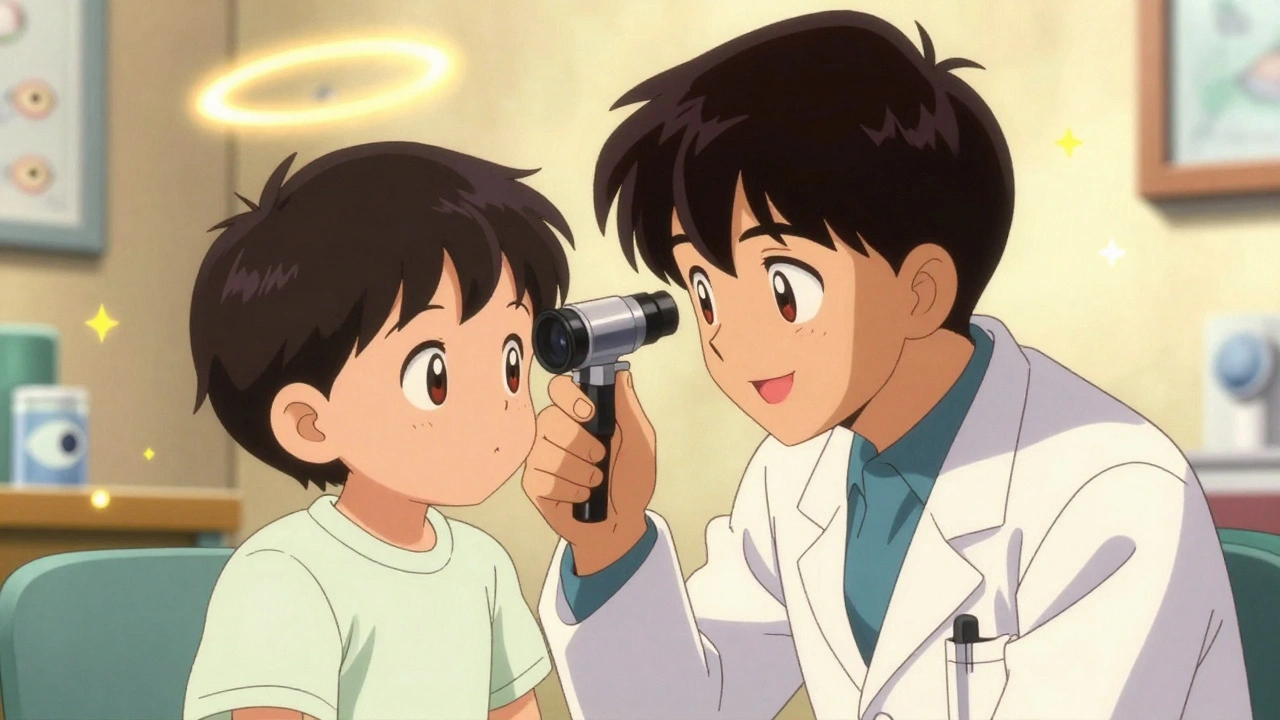
Pediatric vision screening catches sight problems like amblyopia and strabismus early, when treatment is most effective. Learn how, when, and why screening before age 5 can prevent lifelong vision loss.
View More