
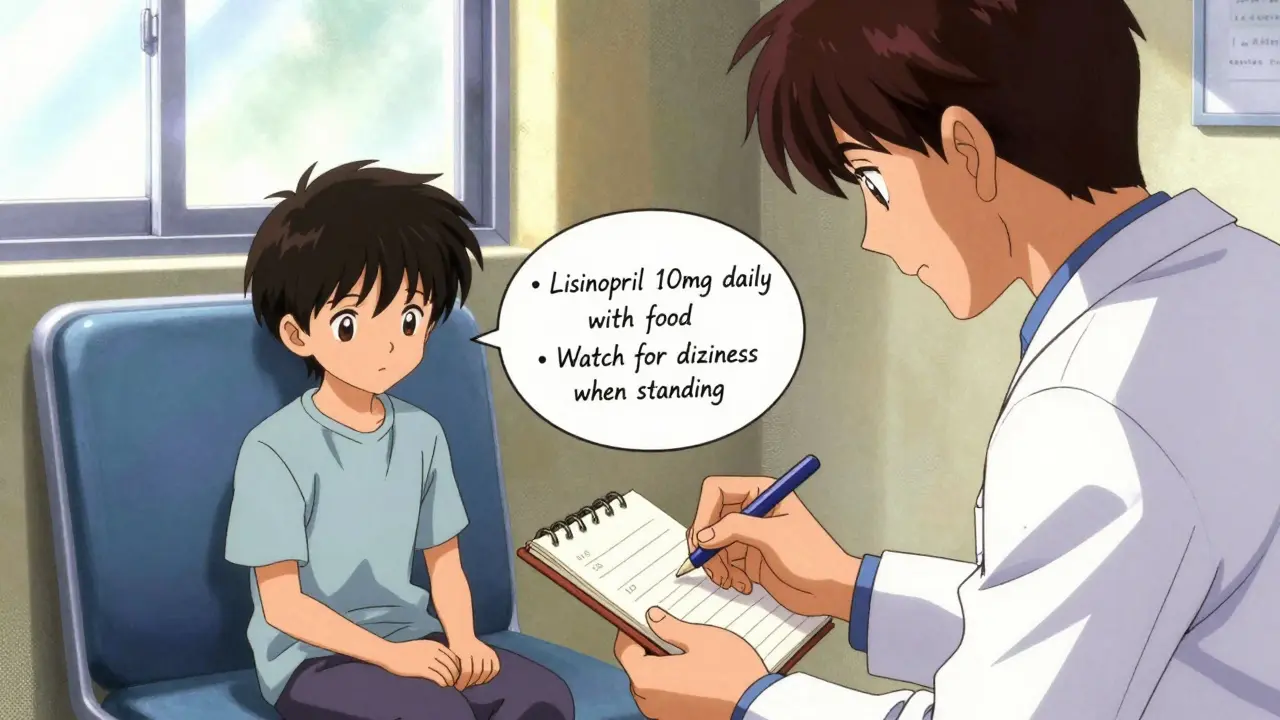
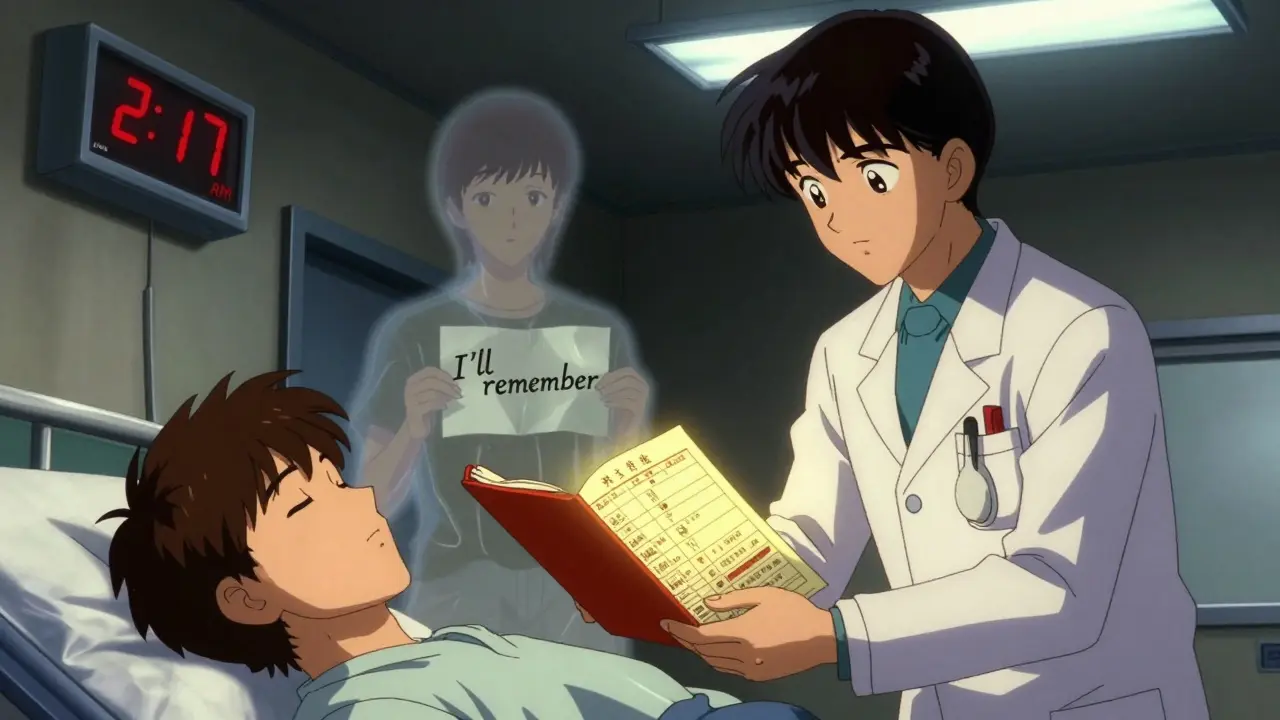
When your doctor or pharmacist gives you advice about your medications, it’s easy to think, "I’ll remember this." But by the time you get home, juggling kids, work, or just plain tiredness, half of it slips away. And if you see a new provider later, or end up in the ER, they won’t know what you were told unless it’s written down. Properly documenting provider advice about medications isn’t just helpful-it’s essential for your safety and continuity of care.
Why Documentation Matters More Than You Think
Medication errors cause around 7,000 deaths each year in the U.S., according to the Institute of Medicine. A big part of that? Poor communication and incomplete records. When a nurse doesn’t know you were told to take your blood pressure pill with food, or a pharmacist doesn’t see that you’re allergic to sulfa drugs, things go wrong fast. The Joint Commission, CMS, and the American Medical Association all agree: documentation isn’t optional. It’s a legal and clinical requirement. Your medical record is the only thing that travels with you when you switch doctors, get hospitalized, or call an on-call provider at 2 a.m. If it’s missing key details, someone might make a dangerous assumption.What Exactly Needs to Be Documented
You don’t need to write a novel. But you do need to capture the essentials. Here’s what to record every time you get medication advice:- Medication name - Use the brand name and generic name if both were mentioned. Example: "Lisinopril (Zestril)"
- Dose and frequency - Not just "take one pill." Write: "10 mg once daily in the morning"
- How to take it - With food? On an empty stomach? Avoid alcohol? Drink extra water? These details matter.
- Duration - Is this a 30-day supply? A 6-month course? "Take until finished" isn’t enough.
- Number of refills - If your provider says "three refills," write it down. Don’t assume.
- Side effects to watch for - Not just "may cause dizziness." Be specific: "May feel lightheaded when standing up quickly. Sit down if this happens."
- Allergies or reactions - Even if you’ve told them before, confirm and write it down. "Allergic to penicillin - rash and swelling in 2021."
- What you were told to do if something goes wrong - "Call the office if you have chest pain. Go to ER if you can’t breathe."
- Any refusal or non-compliance - If you said, "I don’t want to take this because it made me sick last time," write that too. It protects both you and your provider.
How to Document It - The Simple Way
You don’t need fancy tools. But you do need consistency. Option 1: Use a notebook or app Keep a small notebook in your wallet or use a free app like Google Keep or Apple Notes. Create a new page for each new medication. Label it clearly: "Medication: Metformin - Jan 15, 2026 - Dr. Patel". Then jot down the key points using bullet points. Don’t write in cursive if you can’t read it later. Option 2: Ask for a printed handout Many providers now give out medication fact sheets. If they don’t, ask: "Can you give me a copy of what you just told me?" Some clinics have standardized forms. If you get one, keep it in a folder with your other medical papers. Option 3: Use your patient portal If your provider uses an electronic health record (like MyChart or Epic), check your portal after your visit. Most now auto-generate a summary of prescriptions and advice. If it’s missing something you were told, send a secure message and say: "I was told to take this with food, but it doesn’t say that here. Can you update it?"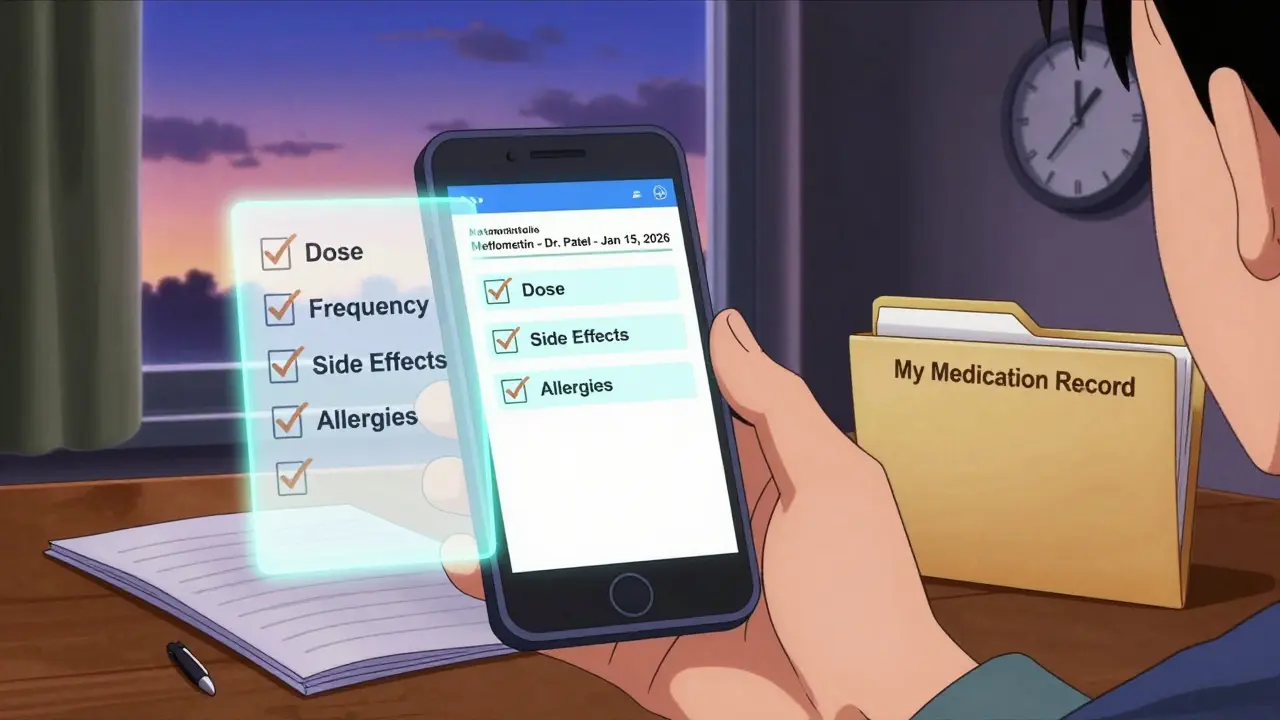
What Not to Do
Avoid these common mistakes:- Don’t write "take as directed." That’s meaningless.
- Don’t rely on memory. Even if you’re sharp now, stress or illness changes that.
- Don’t assume your pharmacist knows what your doctor said. Pharmacists see hundreds of patients. They can’t remember your conversation.
- Don’t use abbreviations like "QD" or "BID." Write out "daily" and "twice a day."
- Don’t wait until later to write it down. Do it right after the appointment - while it’s fresh.
What Happens If You Don’t Document It?
In 2022, the Physician Insurers Association of America found that 38% of malpractice claims involving medication errors were due to poor documentation. That’s not just a statistic - it’s someone’s life. Imagine this: You’re admitted to the hospital after a fall. You’ve been taking a new blood thinner, but you never wrote it down. The ER team doesn’t see it in your records. They give you an anti-inflammatory that interacts badly with it. You bleed internally. That’s preventable. Even outside emergencies, incomplete records lead to:- Unnecessary tests (because they don’t know what you’re already taking)
- Wrong prescriptions (duplicates or dangerous combinations)
- Delayed care (providers waiting for info they should have had)
Special Cases: Telehealth, Phone Calls, and After-Hours Advice
More advice is given over the phone or via video now. The American Dental Association and others require that even these conversations be documented - dated and initialed. If your provider calls you at night to say, "Skip your morning dose if your blood pressure is under 100," write it down. Include:- Date and time of the call
- Name of the person who called
- Exact advice given
- How you responded (e.g., "I confirmed I understood and will skip dose.")
Keeping It Organized Long-Term
Don’t let your notes pile up. Every three months, review them. Update any changes. Throw out old ones if you’re no longer taking the meds. Create a folder - digital or physical - labeled "My Medication Record". Include:- Current meds with documentation
- Medications you’ve stopped (with reason and date)
- Allergy history
- Emergency contacts and provider info
What’s Changing Soon
Starting in 2024, Medicare requires providers to document your current medications at every visit under the MIPS program. By 2025, nearly all documentation will happen through electronic systems linked to patient portals. The FDA is also pushing for standardized, one-page medication guides for every prescription - similar to what you get with birth control or insulin. These will include clear warnings, dosing, and what to do if you miss a dose. But until then, you still need to document your own conversations.Final Tip: Make It a Habit
Think of documenting medication advice like brushing your teeth. It takes 30 seconds. You don’t do it because it’s fun. You do it because skipping it causes problems later. Next time your provider talks about your meds, grab your phone or notebook. Write down the five key points. Then say: "Just to confirm - you said [repeat back the main instruction]. Is that right?" That’s how you protect yourself. That’s how you take control of your health.What if my provider won’t give me written instructions?
You have the right to a clear record of your care. Politely say, "I’d like to make sure I understand correctly. Could you please confirm the details in writing or through the patient portal?" If they refuse, ask to speak with a patient advocate. Most clinics have one. If you’re in a private practice, consider switching to one that values patient communication.
Can I use voice memos instead of writing?
Voice memos are better than nothing, but they’re not ideal. You can’t scan them quickly during an emergency. They’re hard to share with another provider. If you use them, transcribe the key points into text within 24 hours. Always keep a written backup.
Do I need to document over-the-counter meds and supplements?
Yes. Many serious drug interactions happen with things like ibuprofen, fish oil, or St. John’s wort. Document the name, dose, and why you’re taking it. Your provider needs to know everything you’re using - even if you think it’s "not a real medicine."
How long should I keep medication documentation?
Keep records for at least 7 years - or as long as you’re taking the medication. If you’ve stopped a drug, keep its documentation for 2-3 years. For chronic conditions like diabetes or heart disease, keep everything indefinitely. You never know when a past prescription might become relevant again.
What if I’m not sure I understood the advice correctly?
Ask again. Say: "I want to make sure I got this right. You said I should take this every 12 hours, even if I feel fine?" Repeat it back. If you’re still unsure, call the pharmacy. Pharmacists are trained to clarify dosing and instructions. Never guess.



Ambrose Curtis
January 27, 2026 AT 13:42bro i used to think i could remember everything until i混了两剂药差点进急诊。现在我手机里有个叫 'Med Notes' 的文件夹,每次看医生都记三件事:药名、怎么吃、啥时候停。别信记忆,信纸。我连布洛芬都写,你敢信?
Linda O'neil
January 27, 2026 AT 14:19This is gold. I started doing this after my mom had a bad reaction because the ER didn’t know she was on that herbal thing she swore was 'harmless.' Now I keep a laminated card in my wallet. Even my 70-year-old dad uses the Notes app now. Just write it down. Seriously. It takes 45 seconds.
Chris Urdilas
January 28, 2026 AT 20:57Wow. Who knew documenting your meds was more important than remembering your anniversary? 😏 I mean, I get it - but also, why is this even a thing? Shouldn’t doctors just *not* be terrible at communication? Anyway, I use Google Keep. My phone remembers everything except my keys. So it’s a win.
Jeffrey Carroll
January 28, 2026 AT 22:44While the practical advice provided is sound and aligns with best practices in patient safety, I would like to emphasize the ethical imperative of documentation as a fiduciary duty. The patient’s medical record is not merely a personal tool - it is a legal instrument of care continuity. Failure to maintain accurate records constitutes a breach of the standard of care, regardless of intent or circumstance.
Phil Davis
January 30, 2026 AT 01:31So let me get this straight - we’re supposed to write down everything our doctors say… because they won’t? And we’re supposed to trust the portal? The same portal that took three weeks to update my blood pressure reading? I’m just gonna keep my receipts and hope for the best.
Irebami Soyinka
January 30, 2026 AT 15:51USA always making everything so complicated 😒 In Nigeria, we just ask the pharmacist and pray. But hey - if you wanna be extra, go ahead. I use WhatsApp voice notes. My cousin in Lagos says it’s the future. 🤷♂️💊 #AfricanCommonSense
doug b
January 31, 2026 AT 09:53Just do it. Seriously. Five minutes after your appointment. Open Notes. Type: 'Lisinopril 10mg, take with food, no grapefruit, call if dizzy.' Done. You’re already ahead of 90% of people. No magic. No app needed. Just write it down.
SRI GUNTORO
January 31, 2026 AT 23:13People who don’t document their meds are irresponsible. It’s not just about you - it’s about everyone else who might get hurt because you were too lazy to type three sentences. This isn’t hard. It’s basic human decency. Stop being careless with your life.
Kevin Kennett
February 1, 2026 AT 17:18My grandma used to say, 'If you can’t write it, you don’t know it.' She didn’t have a phone, just a notebook with a rubber band. She wrote down every pill, every side effect, every time she felt weird. When she had her stroke, the paramedics had a full history. She lived because she wrote it down. You can too. No excuses.
Jess Bevis
February 2, 2026 AT 08:09Write it down. Period.
Bryan Fracchia
February 3, 2026 AT 10:59It’s funny how something so simple - writing down what someone tells you - becomes this radical act of self-advocacy. We live in a world that tells us to trust the system, but the system forgets. It forgets your allergies, your refills, your fears. So you have to be the keeper of your own story. Not because you don’t trust your doctor - but because you love yourself enough to make sure no one else has to guess. That’s not paranoia. That’s wisdom.