

Why NTI Drugs Are Different
Not all generic drugs are the same. When it comes to NTI drugs, even tiny changes in how much medicine enters the bloodstream can make a big difference. These are medications where the line between working properly and causing harm is very thin. A little too much, and you risk toxicity. A little too little, and the treatment fails. That’s why doctors and pharmacists need to be extra careful when switching patients from brand-name versions to generics.
Examples of NTI drugs include warfarin (used to prevent blood clots), levothyroxine (for thyroid conditions), phenytoin (for seizures), digoxin (for heart rhythm), and carbamazepine (another seizure medication). For warfarin, the safe range is so narrow that an INR level just outside 2-3 can mean a stroke or dangerous bleeding. For levothyroxine, a small drop in absorption can leave a patient tired, depressed, or gaining weight-symptoms easily mistaken for something else.
The FDA has set stricter rules for these drugs. While most generics only need to match the brand within 80%-125% of the active ingredient, NTI generics must stay within 90%-111.11%. Some, like levothyroxine, are held to an even tighter standard: 95%-105% for how much medicine is absorbed over time. This isn’t just paperwork-it’s about keeping people safe.
What Patients Are Worried About
When a patient gets a new prescription and sees a different pill, their first thought isn’t bioequivalence. It’s: Is this going to work? Is this safe? Did they cut corners?
A 2017 survey found that even though most pharmacists believed generic NTI drugs were just as safe and effective, only 60% of them actually switched patients over. Why? Because patients were asking questions-and many providers didn’t feel confident answering them. Some patients reported seizures returning after switching antiepileptic generics. Others had unstable INR levels after switching warfarin. These aren’t myths-they’re real events, even if they’re rare.
But here’s the catch: in most cases, the problem wasn’t the generic drug itself. It was the switch. Changing the brand, even to another FDA-approved version, can cause small shifts in how the body handles the drug. That’s why monitoring matters more than the pill’s name.
What You Must Say to Patients
Don’t just hand them a new bottle and say, “This is the same.” That’s not enough. You need to have a real conversation.
- Start with trust: “I recommend this generic because it’s been tested to work just like the brand. I prescribe it for my own family.”
- Be clear about equivalence: “This medicine has the exact same active ingredient. The FDA required stronger tests to make sure it delivers the same amount into your bloodstream.”
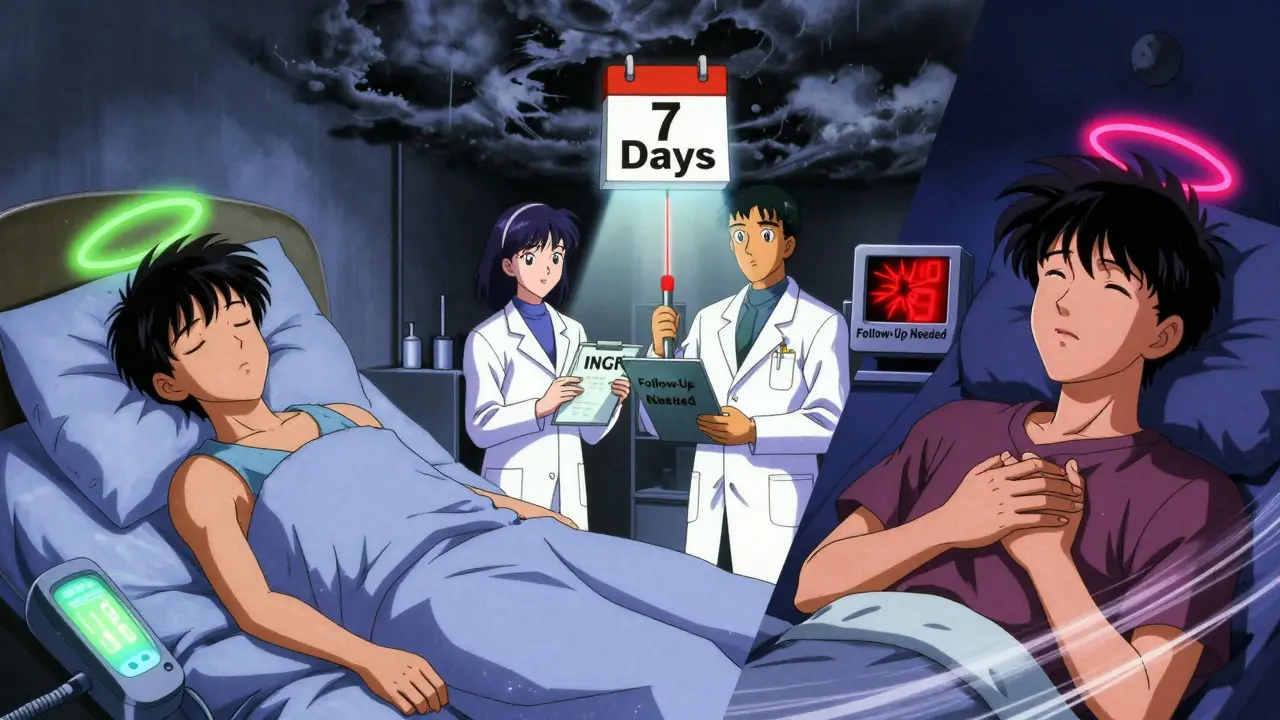
- Explain why monitoring is needed: “Because this is a narrow therapeutic index drug, we’ll check your blood levels in 5-7 days to make sure everything’s stable.”
- Give them control: “If you notice anything different-feeling more tired, dizzy, or having new symptoms-call us right away. We’re here to help.”
Studies show that patients who get this kind of clear, personalized counseling have 28% fewer medication problems. That’s not small. It’s life-changing.

When to Avoid Switching
Not every patient should be switched. Some people are more vulnerable. If a patient is:
- Over 65
- Has kidney or liver problems
- Takes five or more other medications
- Has had problems with previous switches
- Is pregnant or breastfeeding
then staying on the same brand may be the safest choice. That’s not because generics are unsafe-it’s because their bodies handle changes differently. The goal isn’t to switch everyone. It’s to switch the right people, the right way.
State Laws Matter-A Lot
You can’t assume substitution rules are the same everywhere. As of 2024, 27 U.S. states have special laws for NTI drugs. Fourteen of them require written patient consent before switching. Thirteen others have restrictions on when substitution is allowed. In some places, pharmacists can’t switch without the prescriber’s okay. In others, they can-but only after a counseling session.
That means your script isn’t just about patient education-it’s about legal compliance. Always check your state’s rules. Don’t rely on memory. A quick call to your state pharmacy board or a quick look at their website takes 90 seconds. Skipping this step puts you-and your patient-at risk.
Tools That Actually Help
Verbal advice alone isn’t enough. Patients forget. They’re overwhelmed. They’re scared.
Use visual aids. The FDA’s 2024 NTI Drug Communication Initiative offers free, ready-to-print handouts in 12 languages. They show the difference between brand and generic pills, explain what therapeutic equivalence means, and list warning signs to watch for. Pharmacists who used these materials saw 42% higher adherence rates.
Use the teach-back method. After explaining, ask: “Can you tell me in your own words why we’re checking your blood in a week?” If they can’t, go back. Don’t assume understanding. Confirm it.
What to Do After the Switch
Switching isn’t the end-it’s the beginning of follow-up.
- For warfarin: Check INR within 3-5 days.
- For levothyroxine: Check TSH within 6-8 weeks.
- For phenytoin or carbamazepine: Check serum levels within 7-10 days.
- For digoxin: Monitor for nausea, vision changes, or irregular heartbeat.
Document everything: “Patient counseled on therapeutic equivalence of generic [drug name]. Advised to monitor [test] within [timeframe]. Provided written materials.” This isn’t just for your records-it’s your protection.
The Bigger Picture
Generic NTI drugs save money. In 2022, only 72% of NTI prescriptions were filled with generics, compared to 89% for non-NTI drugs. That’s billions of dollars in savings left on the table-because of fear, not science.
The FDA has spent years tightening standards. They’ve built better tests. They’ve created clear guidance. But none of that matters if patients don’t trust the system. And trust doesn’t come from brochures or labels. It comes from conversations where someone listens, explains, and stands by them.
When you take the time to talk to your patients about NTI drugs-not just tell them, but help them understand-you’re not just following guidelines. You’re saving lives.
Are generic NTI drugs really as safe as brand-name ones?
Yes, FDA-approved generic NTI drugs are required to meet stricter bioequivalence standards than regular generics. For most NTI drugs, the amount of medicine absorbed into the bloodstream must be within 90%-111.11% of the brand version. For drugs like levothyroxine, the range is even tighter-95%-105%. These aren’t guesses. They’re based on clinical data and lab testing. The FDA has confirmed that these generics work the same way in the body.
Why do some patients have problems after switching?
Problems aren’t usually caused by the generic drug itself, but by the switch. Even small changes in how the body absorbs the medicine can affect patients who are very sensitive to dose changes-especially those on long-term therapy. This is why monitoring is critical. A patient stable on a brand for years may need a small dose adjustment after switching, even if the generic is technically equivalent. It’s not a failure of the drug-it’s a need for careful follow-up.
Can I switch back to the brand if I’m worried?
Yes, you can. If you experience new symptoms-like increased fatigue, dizziness, irregular heartbeat, or seizure activity-contact your provider right away. They can check your blood levels and decide whether to switch back. Most insurance plans allow one-time exceptions for NTI drugs if there’s a documented medical reason. Don’t stop taking the medication. Talk to your doctor first.
Do I need to get blood tests every time I switch generics?
Yes, if you’re on an NTI drug, you should get tested after any switch-whether it’s brand to generic, generic to generic, or even a different batch. The FDA and medical societies recommend monitoring within 3-10 days, depending on the drug. For warfarin, that’s INR. For levothyroxine, it’s TSH. For antiepileptics, it’s serum levels. This isn’t optional. It’s part of safe care.
Why do some pharmacists refuse to substitute NTI generics?
Some pharmacists, especially those with more experience, are cautious because they’ve seen patients have issues after switches-even if the generic was approved. Others are following state laws that require consent or limit substitution. A 2017 survey found pharmacists with over 20 years of experience were 37% less likely to substitute than newer pharmacists. This isn’t resistance to generics-it’s a response to real-world outcomes and legal complexity. The best approach is for pharmacists and prescribers to work together and follow updated guidelines.






Beth Cooper
January 31, 2026 AT 16:25Okay but have you ever seen the inside of a generic pill factory? I mean, really looked? I heard they use the same machines that make gummy vitamins and just sprinkle a little powder on top. The FDA? Ha. They’re on payroll with Big Pharma. I switched my mom to generic levothyroxine and she started sleepwalking and talking to her dead cat. Coincidence? I think not.
Diana Dougan
February 1, 2026 AT 18:07lol so you’re telling me I need to get blood tests every time I get a new bottle of generic warfarin? Bro, I’m not a lab rat. Also, ‘therapeutic equivalence’? That’s just corporate speak for ‘we ran out of the brand name so here’s this one that looks kinda like it.’
Bobbi Van Riet
February 2, 2026 AT 18:20I’ve been a pharmacist for 22 years and I can tell you-this post is spot on. The real issue isn’t the generics, it’s the lack of follow-up. I had a patient switch from brand to generic phenytoin and didn’t come back for his level check. Three weeks later, he had a seizure at the grocery store. We didn’t know he’d switched because the pharmacy didn’t notify the prescriber. The science is solid, but the system? Broken. We need better communication, not more fear. And yes, I use the FDA handouts. They’re gold. Print them. Give them out. Ask the patient to explain it back. It’s not extra work-it’s how you keep people alive.
Holly Robin
February 3, 2026 AT 14:39THIS IS A GOVERNMENT COVER-UP. They don’t want you to know that the ‘tighter’ 95-105% range is just a PR stunt. The same factory that makes the generic levothyroxine also makes the brand-and they just slap a different label on it. They’re lying to you. They’re lying to your doctor. They’re lying to your grandma. And now they want you to trust them with your life? Wake up. I’ve seen people die from this. And no one’s going to jail. Because the system is rigged. #GenericDeathTrap
Shubham Dixit
February 3, 2026 AT 16:39Why are Americans so afraid of generics? In India, we’ve been using them for decades. Our doctors don’t even mention the brand. The medicine works. The science is universal. Why does every pill need a story? Why does every patient need a therapist? This post reads like a fear campaign. If your body can’t handle a generic NTI drug, maybe your body is the problem-not the pill. Stop overcomplicating medicine. Trust the data. Not your anxiety.
KATHRYN JOHNSON
February 4, 2026 AT 05:23State law requires written consent for NTI substitutions in my jurisdiction. I’ve documented every switch since 2021. No exceptions. No shortcuts. If your practice isn’t compliant, you’re not just negligent-you’re exposing yourself to liability. This isn’t opinion. It’s legal fact. Read your state pharmacy board’s guidelines. Or risk losing your license.
Blair Kelly
February 4, 2026 AT 18:44Let’s be real-no one wants to hear this, but the truth is, most patients who ‘have problems’ after switching are just anxious. They read a Reddit post. They googled ‘generic warfarin horror stories.’ Now they’re convinced their new pill is poisoning them. I had a guy call me crying because his generic carbamazepine had a different shade of white. I asked him to describe the difference. He said, ‘It looks… sad.’ I had to send him to a therapist. Not a pharmacist. A therapist.
Rohit Kumar
February 4, 2026 AT 19:24There is a deeper truth here: trust is not built by data points or FDA regulations. It is built by presence. By listening. By holding space when someone says, ‘I’m scared.’ The pill is not the enemy. Fear is. And fear thrives in silence. When we reduce medicine to compliance forms and blood tests, we forget that healing begins with a human voice saying, ‘I am with you.’ The science is clear. But the soul? It needs more than a percentage range. It needs to feel safe. And that is not something any algorithm can measure.