
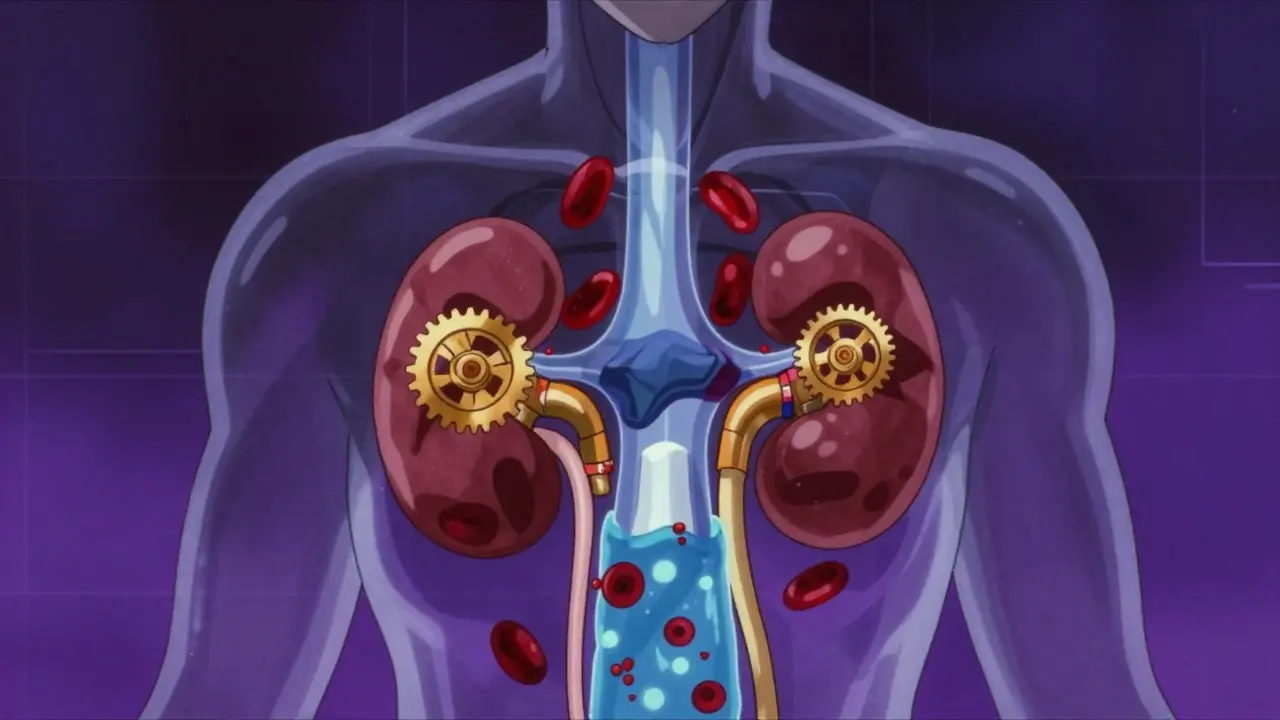
Your kidneys are hardworking filters. Every day, they process about 150 liters of blood to remove waste and balance fluids. But here is the tricky part: kidney damage often happens silently. You might feel perfectly fine while your filtration rate drops significantly. This is why understanding kidney function tests matters so much. These simple checks can catch problems early, long before symptoms like swelling or fatigue appear.
If you have ever looked at a blood test result and wondered what those numbers mean, you are not alone. Terms like "creatinine," "eGFR," and "albumin" can sound like medical jargon designed to confuse. But once you break them down, they tell a clear story about your health. Let’s look at what these tests actually measure and why doctors rely on them.
The Blood Tests: What Your Serum Reveals
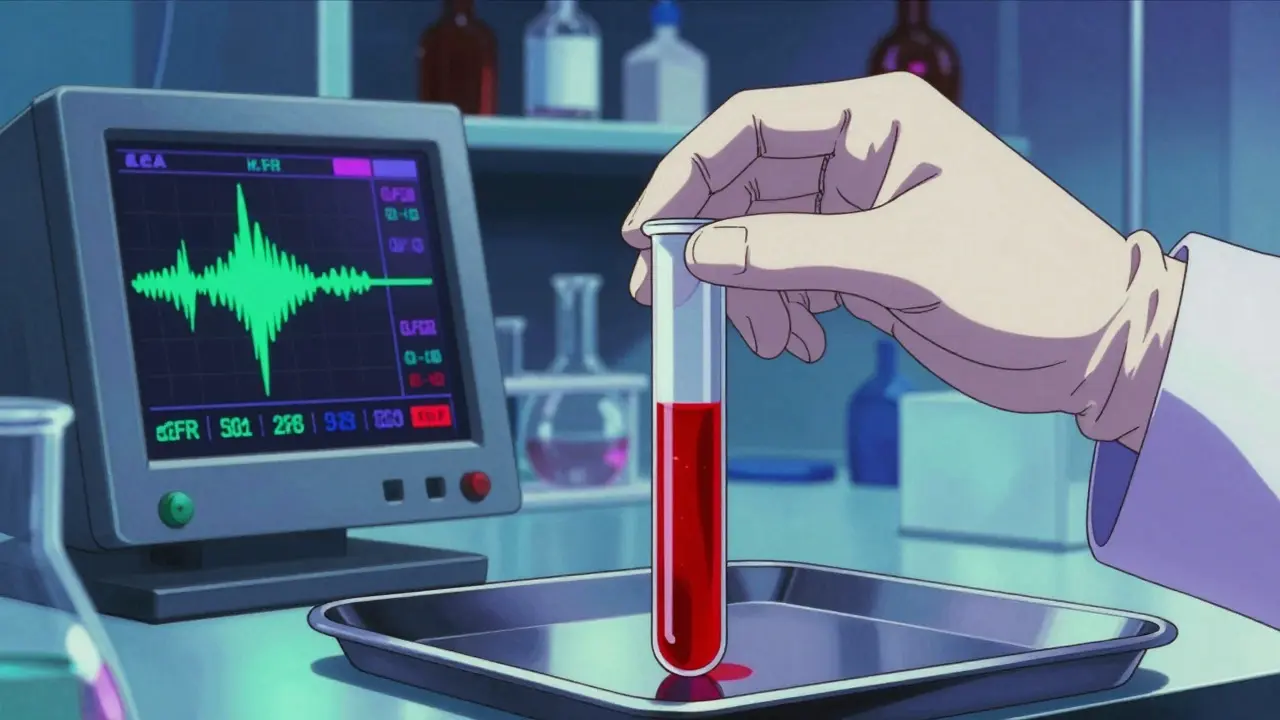
Blood tests are the first line of defense in checking kidney health. They look for waste products that should be filtered out but stay in your blood if your kidneys are struggling. The two main markers here are serum creatinine and Blood Urea Nitrogen (BUN).
Serum Creatinine is a waste product from normal wear and tear on muscle tissue. When your muscles work, they release creatinine into your bloodstream. Healthy kidneys filter this out and excrete it through urine. If your kidneys slow down, creatinine builds up in your blood. It is important to know that creatinine levels can be influenced by factors other than kidney health, such as high muscle mass or a diet heavy in cooked meat.
Here is a critical detail: creatinine is a "late marker." Research indicates that you might lose up to 50% of your kidney function before your serum creatinine levels rise noticeably. This is why looking at creatinine alone isn't enough. We need a more sensitive calculation, which brings us to eGFR.
Blood Urea Nitrogen (BUN) measures another waste product called urea nitrogen. Your liver produces urea when it breaks down proteins. Like creatinine, healthy kidneys filter urea out of the blood. High BUN levels can signal kidney issues, but they can also spike due to dehydration, a high-protein diet, or gastrointestinal bleeding. Because of these variables, doctors rarely use BUN alone to diagnose kidney disease; it works best when paired with other tests.
Understanding eGFR: The True Performance Metric
If creatinine is just one piece of the puzzle, Estimated Glomerular Filtration Rate (eGFR) is the big picture. While glomerular filtration rate (GFR) was originally a direct measurement developed by Homer Smith in the 1930s, modern medicine uses an estimated version (eGFR) because it is non-invasive and practical.
eGFR calculates how much blood passes through the glomeruli-tiny filtering units in your kidneys-each minute. The result is expressed in milliliters per minute per 1.73 square meters of body surface area (ml/min/1.73 m²). Doctors calculate this using your serum creatinine level, age, sex, and sometimes race. The current standard equation used worldwide is the CKD-EPI formula, which replaced older methods like MDRD because it offers better accuracy, especially for people with mild kidney impairment.
So, what do the numbers mean? Here is a breakdown based on guidelines from the UK Kidney Association and the National Kidney Foundation:
- Stage 1 (Normal): eGFR greater than 90 ml/min/1.73 m². This indicates healthy kidney function, provided there is no other sign of kidney damage.
- Stage 2 (Mild Decrease): eGFR between 60 and 89 ml/min/1.73 m². This may indicate mild kidney damage, often seen in aging populations, but requires confirmation with urine tests.
- Stage 3a (Moderate Decrease): eGFR between 45 and 59 ml/min/1.73 m². At this stage, kidney disease is moderate, and management becomes crucial to prevent progression.
- Stage 3b (Moderate to Severe): eGFR between 30 and 44 ml/min/1.73 m². Symptoms may start to appear, and complications become more likely.
- Stage 4 (Severe): eGFR between 15 and 29 ml/min/1.73 m². Kidney function is severely compromised. Preparation for potential dialysis or transplant may begin.
- Stage 5 (Kidney Failure): eGFR less than 15 ml/min/1.73 m². This is end-stage renal disease, requiring dialysis or transplantation to sustain life.
It is worth noting that eGFR estimates aren't perfect. They can be less accurate for people under 18, pregnant women, those who are very muscular, or individuals with extreme body weights. In these cases, doctors might order a cystatin C test, which provides an alternative way to estimate filtration without relying on muscle mass.
Urinalysis: Checking for Leaks
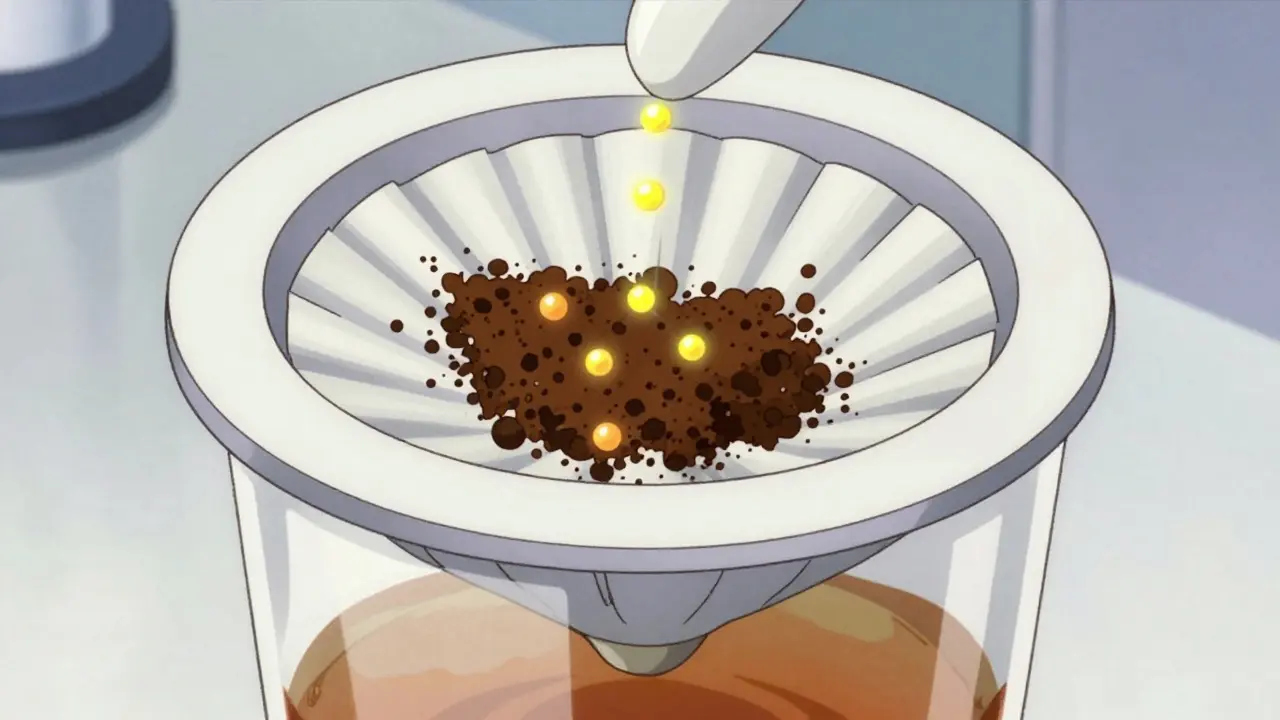
Blood tests tell us how well the kidneys are filtering, but urine tests tell us if the filters are damaged. Think of your kidney's filters like a coffee filter. A good filter keeps the grounds (protein) in and lets the liquid pass through. If the filter has holes, grounds leak into the cup. In your body, that "ground" is protein, specifically albumin.
Albumin-Creatinine Ratio (ACR) is the recommended first-line test to assess for proteinuria (protein in the urine). The UK Kidney Association emphasizes that quantitative tests like ACR are superior to old-school dipstick tests. Dipsticks use chemically treated paper that changes color, but they often miss low levels of albumin. ACR compares the amount of albumin to creatinine in a single urine sample, providing a precise ratio.
Why does protein in the urine matter? Proteinuria is often one of the earliest signs of kidney disease. According to the CDC, detecting this leak allows for intervention before significant function is lost. An ACR result between 3-70 mg/mmol usually requires rechecking with an early morning sample to confirm, as temporary factors like exercise or fever can cause slight spikes.
Another common urine check looks for Hematuria, or blood in the urine. Non-visible hematuria (blood you can't see with the naked eye) should be confirmed on at least two out of three consecutive tests. Finding blood can indicate kidney stones, infection, or more serious conditions affecting the kidney structure.
In some cases, doctors may request a 24-Hour Urine Collection. As the name suggests, you collect all your urine over a full day. This test measures not just protein, but also sodium, potassium, and oxalates. It gives a comprehensive view of how your kidneys handle electrolytes and waste over time, rather than just a snapshot from a single void.
Who Needs Regular Testing?
You don’t need to wait for symptoms to get checked. The Centers for Disease Control and Prevention (CDC) recommends that everyone gets a basic metabolic blood test annually. However, certain groups need more frequent monitoring because their risk of kidney disease is higher.
If you fall into any of these categories, regular testing with both eGFR and urine ACR is essential:
- Diabetes: High blood sugar damages the delicate filtering vessels in the kidneys over time.
- Hypertension (High Blood Pressure): Uncontrolled pressure puts strain on kidney arteries, reducing their ability to filter blood.
- Cardiovascular Disease: Heart and kidney health are closely linked; issues in one often affect the other.
- History of Acute Kidney Injury: Previous episodes increase the risk of chronic decline.
- Family History: Genetic predispositions can play a role in kidney health.
The UK Kidney Association states clearly that patients at risk require regular dual testing. Why both? Because you can have normal eGFR but still have protein leaking (early damage), or you can have reduced eGFR without protein leaks (aging-related decline). Combining both tests gives the most accurate assessment of your renal health.
Interpreting Results and Next Steps
Getting abnormal results doesn’t automatically mean you have permanent kidney failure. Many factors can temporarily skew results. Dehydration can raise BUN and creatinine. Intense exercise can spike muscle breakdown, raising creatinine. Even a heavy steak dinner the night before a blood draw can influence levels slightly.
If your eGFR is below 60 or your ACR shows persistent protein leakage, your doctor will likely investigate further. This might involve ultrasound imaging to look at kidney size and structure, or referral to a nephrologist (kidney specialist). The goal is always early detection. Kidney disease is progressive, but slowing its progression is entirely possible with lifestyle changes, medication to control blood pressure and blood sugar, and dietary adjustments.
Remember, knowledge is power. Understanding these tests empowers you to ask the right questions during your appointments. Are my results stable? Do I need a cystatin C test for better accuracy? Is my protein leakage improving? By staying informed, you take an active role in protecting your silent, vital organs.
What is a normal creatinine level?
Normal ranges vary by laboratory, gender, and age. Generally, for adult males, normal serum creatinine is between 0.7 to 1.3 mg/dL, and for adult females, it is 0.6 to 1.1 mg/dL. However, because creatinine depends on muscle mass, these numbers must be interpreted alongside eGFR for an accurate picture of kidney function.
Can kidney function improve after damage?
In cases of acute kidney injury (sudden damage), function can often recover fully or partially with treatment. For chronic kidney disease (long-term damage), the focus shifts to slowing progression rather than reversing it. Early detection through eGFR and ACR tests is key to preserving remaining function.
Why is eGFR more important than creatinine alone?
Creatinine is a late marker; you can lose half your kidney function before creatinine rises significantly. eGFR uses creatinine along with your age and sex to provide a more sensitive estimate of your actual filtration rate, allowing for earlier detection of mild kidney impairment.
What causes protein in the urine?
Protein in the urine (proteinuria) usually indicates damage to the kidney's filtering units. Common causes include diabetes and high blood pressure. Temporary causes can include intense exercise, fever, or urinary tract infections. Persistent protein leakage requires medical evaluation.
How often should I get kidney function tests?
The CDC recommends annual testing for everyone. If you have risk factors like diabetes, hypertension, or family history of kidney disease, your doctor may recommend testing every 3 to 6 months, or more frequently depending on your condition.




Kieran Healy
July 26, 2026 AT 22:46Thanks for breaking this down so clearly. It really helps to know that creatinine isn't the whole story. I always get worried when my numbers are slightly off, but knowing about muscle mass makes sense :)
Jasmine Agito
July 28, 2026 AT 21:29The distinction between dipstick tests and ACR is crucial here. Many primary care physicians still rely on dipsticks because they are cheap and fast, but as noted, they lack sensitivity for low-level albuminuria. If you have risk factors like hypertension or diabetes, insist on a quantitative ACR test rather than accepting a simple 'negative' dipstick result. It provides a much more accurate baseline for monitoring kidney health over time.
Marie-Gladys Darcelin
July 29, 2026 AT 22:11It is quite astonishing how many individuals neglect these fundamental checks until it is far too late. One would think that with such clear guidelines from the CDC and other reputable organizations, people would take their renal health more seriously. The silence of kidney damage is not an excuse for ignorance; it is a call for proactive vigilance. We must hold ourselves accountable for our own well-being rather than waiting for symptoms that may never arrive in time.
Kyle Bonnette-Lykens
July 29, 2026 AT 22:46eGFR is just a guess though. relying on formulas based on age and sex feels outdated. why not just measure it directly if accuracy matters so much
Tony Malvagna
July 31, 2026 AT 12:24Hey everyone! Great points being made here. I think its super important to remember that while eGFR has limits, it's still the best tool we have for most folks. Don't let the imperfections stop you from getting tested. Knowledge is power right? Keep asking questions and stay healthy guys!
Jamie Rogers
August 1, 2026 AT 05:22This is such a vital topic! I had no idea that dehydration could skew BUN levels so much. It’s amazing how interconnected everything is in our bodies. Let’s all make sure to stay hydrated and keep up with those annual check-ups. Our kidneys work so hard for us, we owe it to them to listen to what they’re telling us through these tests! 💪
Angie Lara
August 2, 2026 AT 12:04In my experience working in healthcare, seeing patients understand their ACR results changes everything. When they realize protein leakage is an early warning sign, they become partners in their care. It’s not just about the numbers; it’s about empowering people to take control before things get serious. Simple communication goes a long way.
Ed Ostrego
August 4, 2026 AT 06:37Let’s get out there and get those tests done! Don’t wait for fatigue or swelling. Prevention is key. Check your blood pressure, manage your sugar, and ask your doc for that full panel. You’ve got this!
Ambarish Pal
August 5, 2026 AT 02:13You are all missing the point entirely! The real issue is not the tests but the lifestyle choices that destroy kidneys in the first place. Why fixate on detection when prevention through diet and exercise is obvious? It is dramatic how we ignore the root cause and focus on the metrics instead!