Drug Food Interactions: What You Need to Know Before Taking Medication
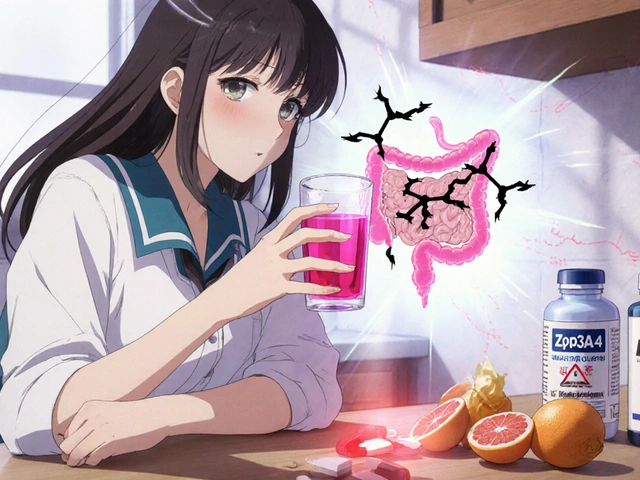
When you take a medication, it doesn’t just work in a vacuum. Your body processes it alongside everything else you eat or drink—and sometimes, that mix causes real problems. Drug food interactions, happen when what you consume changes how a medicine is absorbed, broken down, or cleared from your body. Also known as food-drug interactions, these aren’t just theoretical risks—they’re behind many unexpected side effects, hospital visits, and treatment failures. A simple glass of grapefruit juice can make a blood pressure pill too strong. A daily calcium supplement can block your antibiotic from working. These aren’t rare edge cases. They’re common, avoidable, and often overlooked.
Some drug absorption, refers to how quickly and completely a medicine enters your bloodstream gets slowed down or sped up by food. Fiber, fat, and even acidic drinks can change this. Then there’s metabolism, the liver’s job of breaking down drugs. Certain foods—like grapefruit, St. John’s wort, or even charred meat—can turn up or turn down the enzymes that handle your meds. This is why a statin might suddenly cause muscle pain, or why your antidepressant stops working after you start drinking green tea daily. And let’s not forget electrolyte balance, how minerals like potassium and sodium interact with heart and kidney meds. A salt substitute might sound harmless, but if you’re on ACE inhibitors, it could spike your potassium to dangerous levels.
You don’t need to memorize a hundred food lists. But you do need to know your own meds and ask one simple question before each new prescription: "What should I avoid eating or drinking with this?" Many of the posts below break down real examples—like how statins react with grapefruit, why tetracycline won’t work with dairy, or how iron supplements lose power when taken with coffee. You’ll also find guides on timing—like waiting two hours after eating before taking certain antibiotics—or how alcohol turns up the side effects of painkillers and sedatives. These aren’t just warnings. They’re practical steps that can keep you safe, save you money on failed treatments, and help your meds actually do what they’re supposed to.
Grapefruit Juice and Medications: What You Need to Know Before You Drink
By Lindsey Smith On 14 Nov, 2025 Comments (12)
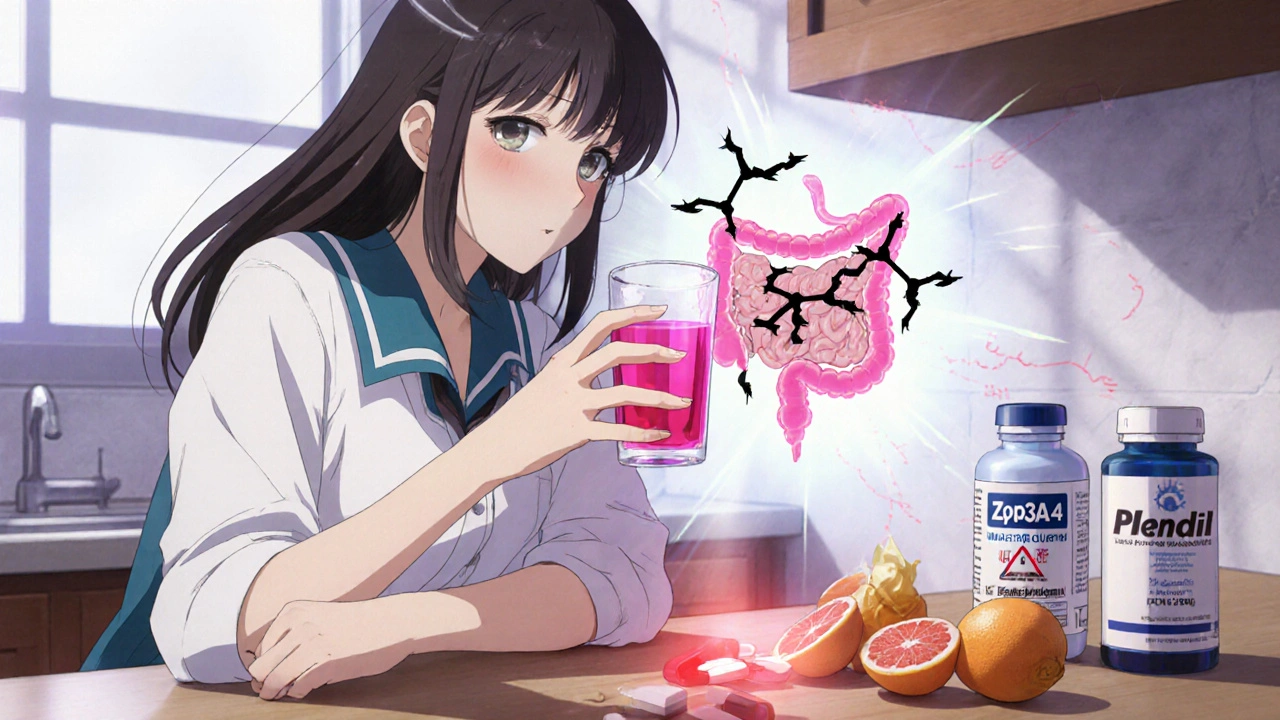
Grapefruit juice can dangerously increase levels of many medications, leading to serious side effects. Learn which drugs interact, why it happens, and how to stay safe.
View More