Grapefruit Juice Interactions: What Medications It Affects and Why It Matters
When you drink grapefruit juice, a common breakfast drink that can interfere with how your body breaks down certain medications. Also known as citrus fruit interaction, it doesn’t just change the taste—it changes how drugs work in your body, sometimes with serious results. This isn’t a myth or a warning from old-school doctors. It’s a well-documented pharmacokinetic effect that affects real people every day.
The problem starts in your gut. Grapefruit juice blocks an enzyme called CYP3A4, which normally breaks down dozens of medications before they enter your bloodstream. When that enzyme is shut down, too much of the drug gets absorbed. For some pills, that means double or triple the intended dose. That’s why people on statins, cholesterol-lowering drugs like simvastatin and atorvastatin can end up with muscle damage or liver stress. It’s also why blood pressure meds, like felodipine and nifedipine can cause your blood pressure to drop too low. Even immunosuppressants, like cyclosporine used after organ transplants, become riskier. You don’t need to drink a whole gallon. One glass is enough to cause problems that last over 24 hours.
It’s not just grapefruit. Seville oranges, pomelos, and some tangelos do the same thing. Regular oranges? Safe. Lemonade? Fine. But if you’re on a medication that interacts with grapefruit, you can’t just cut back—you need to avoid it completely. The effects don’t go away if you take your pill hours later. The enzyme stays blocked. That’s why doctors don’t just say "avoid it"—they tell you to stop drinking it entirely while you’re on the drug.
And here’s the kicker: not every brand of the same drug reacts the same way. Some statins are safe with grapefruit, others aren’t. Some blood pressure pills are fine, others aren’t. It’s not about the class—it’s about the exact chemical structure. That’s why you can’t guess. You need to check your specific medication. The grapefruit juice interactions list isn’t long, but it includes some of the most commonly prescribed drugs in the world. If you’re taking more than one pill, the risk multiplies.
What you’ll find in the posts below are real, practical breakdowns of how this interaction plays out across different medications—from statins and anti-anxiety drugs to pain relievers and heart rhythm meds. You’ll see which ones are risky, which ones are safe, and how to talk to your doctor about alternatives. No fluff. No scare tactics. Just what you need to know to stay safe without giving up your morning routine.
Grapefruit Juice and Medications: What You Need to Know Before You Drink
By Lindsey Smith On 14 Nov, 2025 Comments (12)
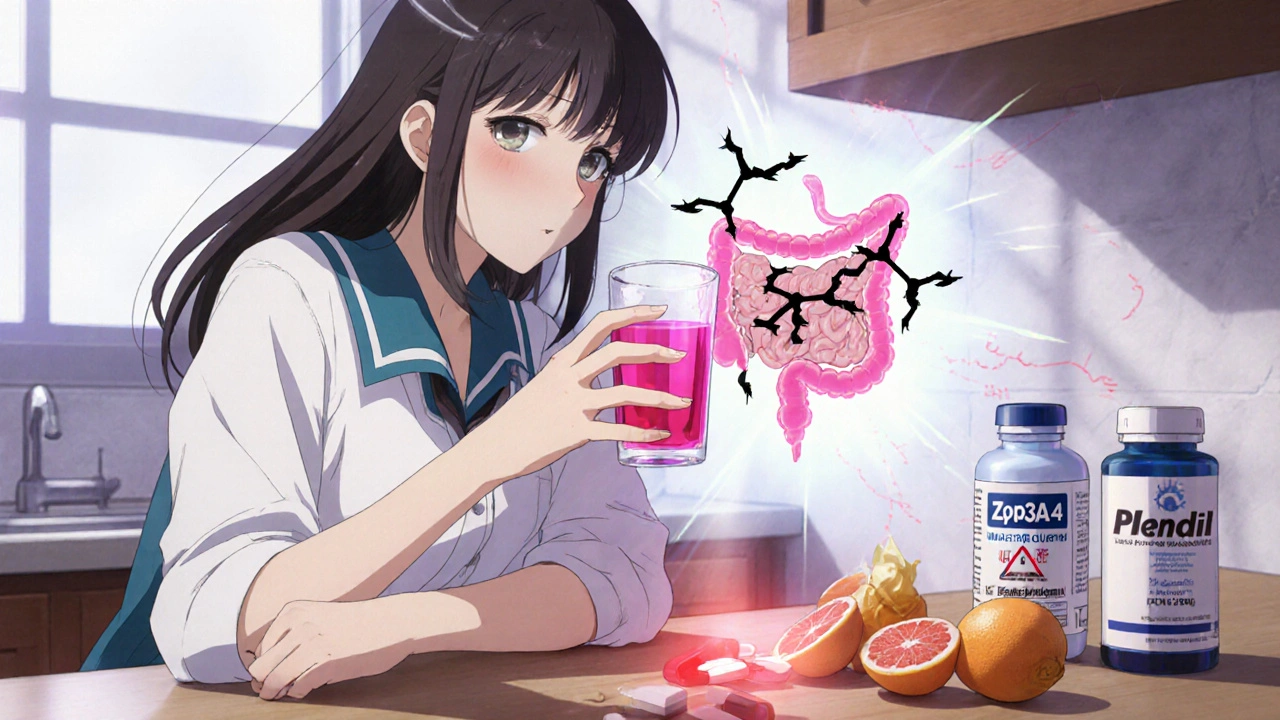
Grapefruit juice can dangerously increase levels of many medications, leading to serious side effects. Learn which drugs interact, why it happens, and how to stay safe.
View More