
Type A Adverse Drug Reactions: What They Are and How to Avoid Them
When your body reacts badly to a medicine you’ve taken, it’s not always a surprise. Type A adverse drug reactions, predictable side effects caused by a drug’s known pharmacological actions. Also known as augmented reactions, these are the most common kind of bad drug responses—making up about 80% of all adverse reactions. They happen because the drug does more than it should, not because it’s broken or rare. Think of it like turning up the volume too loud: the sound isn’t faulty, it’s just too much for the room.
These reactions are tied directly to how your body handles the drug—your pharmacokinetics, how your body absorbs, moves, breaks down, and gets rid of a drug. If your kidneys slow down with age, like in many seniors, drugs stick around longer and build up. That’s why Type A adverse drug reactions show up often in older adults taking medications like diuretics, blood thinners, or painkillers. The same thing happens if you eat grapefruit while on statins—the grapefruit blocks the enzyme that normally clears the drug, so levels spike. This isn’t an allergy. It’s a dose problem. A metabolism problem. A drug interaction problem.
You’ll see these reactions in posts about statin liver enzymes, elevated liver markers caused by excessive drug exposure, or when someone takes too much mefenamic acid and gets stomach bleeding. They show up when elderly patients get the same dose as a 30-year-old, or when someone combines two drugs that both affect the same liver pathway. Even something as simple as switching from one brand of metformin to a generic version can trigger a reaction if the absorption rate changes. These aren’t rare events—they’re routine mistakes.
What makes Type A reactions different from Type B? Type B are random, weird, and unpredictable—like a sudden rash from a drug you’ve taken for years. Type A? They’re the ones you could’ve seen coming. If you know how your body processes meds, you can avoid them. That’s why posts here cover dosage adjustments for aging bodies, grapefruit interactions, and why route of administration matters. An injection might hit harder than a pill. A topical cream might stay local. A slow-release tablet might avoid spikes. All of that changes your risk.
You don’t need to guess whether a side effect is normal or dangerous. You just need to know the basics: what the drug does, how your body handles it, and what else you’re taking. The posts below break down real cases—how statins affect the liver, why meclizine makes you drowsy, how allopurinol and febuxostat compare in gout treatment, and why tinidazole dosing matters for trichomoniasis. They’re not theory. They’re what happens when the science meets the body. And they’ll help you spot the warning signs before it’s too late.
Type A vs Type B Adverse Drug Reactions: Complete Classification Guide
By Lindsey Smith On 10 Nov, 2025 Comments (15)
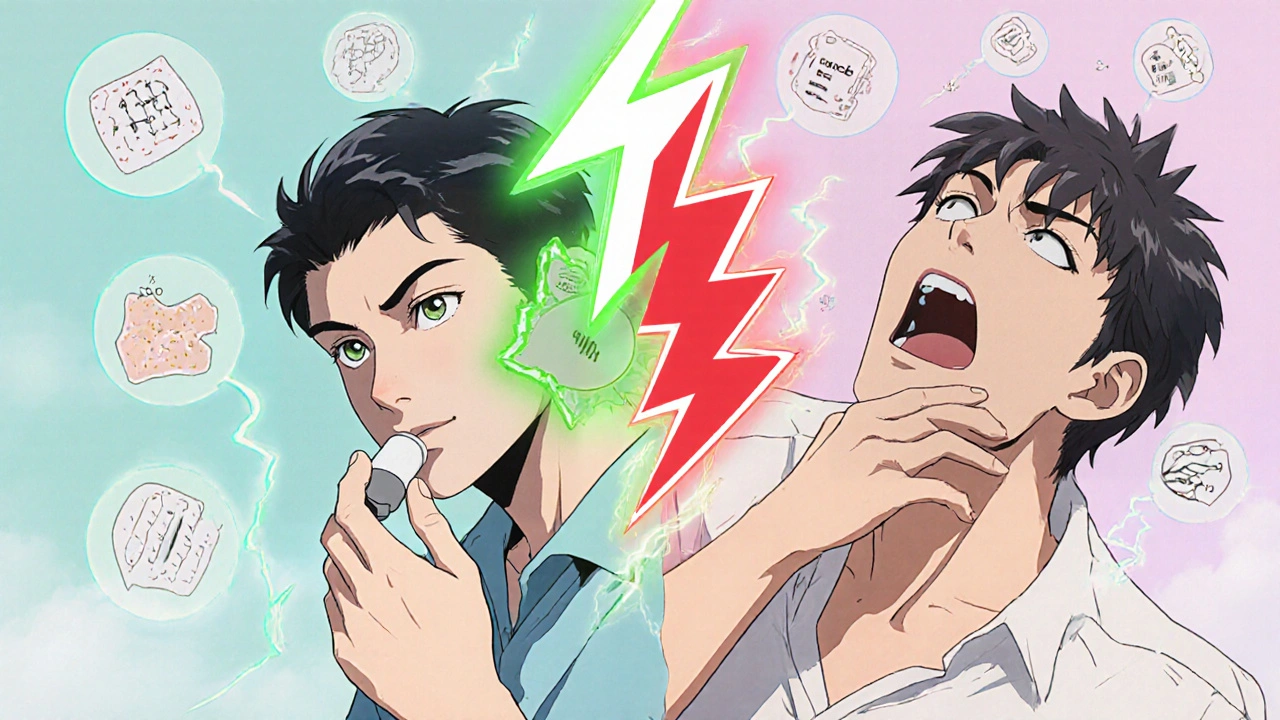
Learn the difference between Type A and Type B adverse drug reactions-how they occur, why they matter, and how doctors use this knowledge to keep patients safe. Understand predictability, risks, and real-world implications.
View More