Type B Adverse Drug Reactions: What They Are, Why They Happen, and How to Spot Them
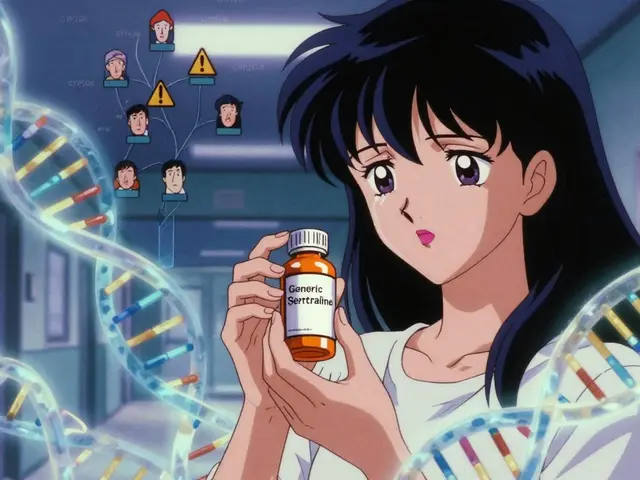
When a drug causes harm that no one could predict, even at normal doses, that’s a Type B adverse drug reaction, an unpredictable, non-dose-related side effect that isn’t an extension of the drug’s known pharmacological action. Also known as idiosyncratic drug reactions, these are the silent risks that slip through clinical trials because they affect only a tiny fraction of users—sometimes one in ten thousand. Unlike Type A reactions, which are just exaggerated versions of expected side effects (like stomach upset from NSAIDs), Type B reactions are strange, sudden, and often severe. They’re not caused by taking too much. You could take the exact right dose, and your body still might react like it’s under attack.
This is where drug hypersensitivity, an immune system overreaction to a medication that triggers inflammation or tissue damage comes in. Penicillin allergies? That’s a classic Type B. So are severe skin rashes from allopurinol, liver damage from statins in rare cases, or life-threatening low blood cell counts from carbamazepine. These aren’t side effects you can avoid by lowering the dose—they’re genetic, biological surprises. Your body’s immune system or metabolic pathways just don’t handle the drug the way most people’s do. And that’s why they’re so hard to catch before they happen.
What makes Type B reactions even more dangerous is that they often show up weeks or months after you start the drug. You might think your rash or fever is just a virus. But if it started after you began a new medication, it could be your immune system fighting the drug. That’s why doctors need to ask: What did you start taking in the last 30 days? It’s not just about the drug itself—it’s about how your body uniquely processes it. Some people carry gene variants that make them more likely to react badly. Others have hidden immune sensitivities. And once it happens, stopping the drug is the only fix.
That’s why the posts below matter. You’ll find real-world examples of drugs that trigger these hidden risks—like how statins can rarely cause liver damage, or how allopurinol might lead to deadly skin reactions in certain populations. You’ll see how route of administration changes risk, why drug interactions can turn a safe medicine into a danger, and how dosage adjustments in older adults can still miss these unpredictable reactions. These aren’t theoretical discussions. They’re stories from people who lived through it—and learned how to spot the warning signs early.
Knowing the difference between a common side effect and a Type B reaction can save your life. The posts ahead give you the tools to ask the right questions, recognize the red flags, and work with your doctor to avoid the drugs that might trigger a reaction in you—no matter how rare the chance seems.
Type A vs Type B Adverse Drug Reactions: Complete Classification Guide
By Lindsey Smith On 10 Nov, 2025 Comments (15)
Learn the difference between Type A and Type B adverse drug reactions-how they occur, why they matter, and how doctors use this knowledge to keep patients safe. Understand predictability, risks, and real-world implications.
View More