

Imagine waking up to find your world blurring through a haze of red and pain. You aren't just dealing with a gritty feeling; something deeper is happening inside your eye. For many, this signals the arrival of Autoimmune Uveitis, an inflammatory process where the body's immune system mistakenly attacks the eye's middle layer. While it affects fewer than 200,000 people in the United States, qualifying it as an orphan disease, the impact on quality of life is massive.
If you have been diagnosed with this condition, you likely know that corticosteroids are often the first line of defense. They work quickly, reducing swelling and calming the immune storm. However, staying on high doses of steroids for months or years comes with a heavy price tag for your health. steroid-sparing therapy has become the critical solution for long-term management, allowing patients to reduce their dependence on steroids while keeping inflammation under control. This approach shifts the focus from temporary relief to sustainable healing.
Understanding the Inflammation Behind Autoimmune Uveitis
To grasp why treatment changes, you first need to understand what you are fighting. Autoimmune uveitis isn't caused by an infection like a cold or flu. Instead, it stems from a glitch in your immune system. Think of it like a security guard who starts attacking the house instead of the intruder. This reaction targets the uveal tract, which includes the iris, ciliary body, and choroid.
The condition doesn't always show up alone. In fact, it often travels with other systemic health issues. Many patients have underlying conditions such as rheumatoid arthritis, ankylosing spondylitis, or Crohn's disease. A 2024 clinical review highlighted that sarcoidosis and psoriasis are also frequent companions to uveitis. Because of these connections, treating just the eye often isn't enough. You might find yourself seeing both an ophthalmologist and a rheumatologist to coordinate care.
Symptoms can sneak up on you or appear suddenly. You might notice sensitivity to light, floaters dancing in your vision, or persistent headaches. In some cases, the conjunctiva looks injected with blood vessels. If left unchecked, this inflammation can damage the structures around the retina, leading to complications like cataracts or retinal detachment. This severity is why prompt treatment is essential before permanent vision loss occurs.
The Double-Edged Sword of Corticosteroids
When uveitis flares up, doctors reach for corticosteroids because they work fast. Whether as eye drops for anterior uveitis or injections for posterior involvement, they suppress the acute attack effectively. Space Coast Ophthalmology notes that this rapid intervention saves vision in the short term. But here lies the dilemma: prolonged use triggers its own set of serious problems.
- Corticosteroids can increase intraocular pressure, leading to secondary glaucoma.
- Long-term application often results in cataract formation, clouding your natural lens.
- Systemic oral steroids carry risks like weight gain, bone thinning, and increased susceptibility to infections.
Most specialists agree that while steroids manage the crisis, they shouldn't be the lifelong solution. This is where the concept of 'sparing' becomes vital. By transitioning away from constant steroid exposure, you protect your body from the collateral damage of powerful anti-inflammatories. The goal is to maintain remission without letting side effects take over your life.
How Steroid-Sparing Therapy Works
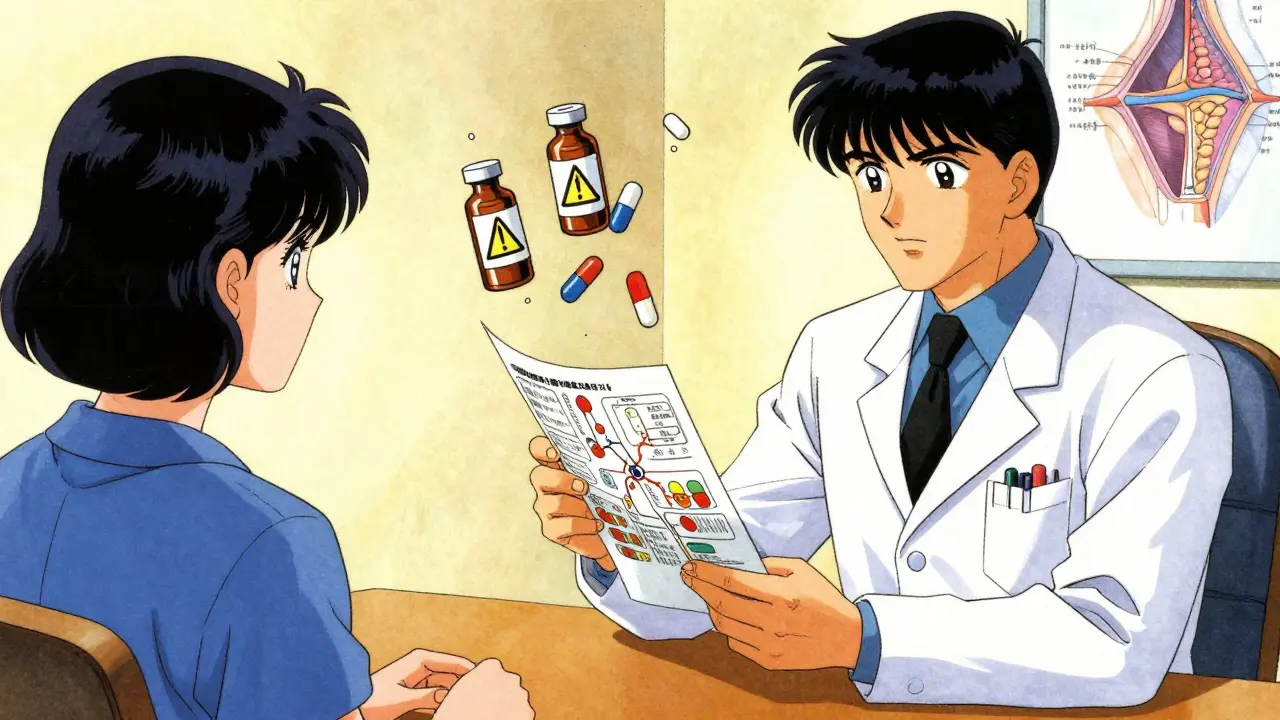
Steroid-sparing therapy involves using medications that modulate the immune system differently. These drugs target specific pathways of inflammation rather than shutting everything down broadly. A major breakthrough happened when the FDA approved Humira (adalimumab) for non-infectious uveitis. Before this, most treatments were considered off-label use.
This class of medication falls under immunosuppressants and biologic agents. They aim to stop the production of tumor necrosis factor (TNF)-alpha, a protein that fuels the inflammation in your eyes. Blocking TNF-alpha significantly reduces the frequency of flare-ups. Dr. Nisha Acharya's research at UT Southwestern documented high positive response rates in pediatric patients using infliximab, showing significant reductions in steroid dependence.
Key Treatment Options Available Today
Navigating the available treatments requires knowing what each option offers. While adalimumab made headlines, it isn't the only tool in the box. Different patients respond better to different mechanisms depending on their specific type of uveitis and systemic history.
| Medication | Class | Mechanism | Common Side Effects |
|---|---|---|---|
| Humira (Adalimumab) | Biologic | TNF-alpha blocker | Injection site reactions, infection risk |
| Methotrexate | Disease-modifying antirheumatic drug (DMARD) | Slows immune cell growth | Liver enzyme elevation, nausea |
| Cyclosporine | Immunosuppressant | T-cell inhibitor | Kidney function monitoring required |
| Infliximab | Biologic | TNF-alpha blocker | Infusion reactions, viral reactivation |
While biologics like Humira get attention, traditional agents like methotrexate remain staples. They are often more affordable and have a longer track record. The choice depends on whether your insurance covers advanced biologics and how aggressive your inflammation is. Some newer trials are investigating interleukin inhibitors and JAK-STAT pathway modulators, which could broaden options further by 2026.

Coordinating Care Between Specialists
You might wonder why you need so many appointments. The NCBI publication emphasizes that clinical correlation between rheumatologists and ophthalmologists is critical. Your eye doctor sees the damage directly, but your rheumatologist manages the underlying immune disorder. Without communication, treatment can fail.
Monitoring involves regular checks beyond just vision tests. You'll undergo tonometry to measure eye pressure and optical coherence tomography (OCT) to scan the retina layers. Blood tests ensure your liver and kidneys handle the immunosuppressive load. Hospital for Special Surgery experts note that treatment adherence can be challenging due to complex regimens, making education on side effects crucial.
Patients transitioning to these therapies often report an improved quality of life once the steroid fog lifts. Even though there is a risk of infection with immune-suppression, avoiding steroid-induced blindness or glaucoma makes the trade-off worth it for many.
Looking Ahead: Personalized Medicine and Research
We are moving toward a future where treatment is less about trial and error. Experts predict a shift toward personalized medicine approaches for uveitis management. Genetic and biomarker testing may soon guide selection of the most appropriate steroid-sparing therapy for individual patients. This means your DNA profile could dictate which drug works best before you even start.
As of 2026, the market shows growing attention to these treatments. Although uveitis remains an orphan disease, specialized clinics have expanded significantly across major centers. Seven additional TNF inhibitors and alternative pathway inhibitors are currently in various stages of clinical trials. The landscape is changing from simply controlling inflammation to potentially curing the underlying misdirected immune response.
What is the difference between infectious and autoimmune uveitis?
Infectious uveitis is caused by bacteria, viruses, or fungi entering the eye and requires antimicrobial therapy like antibiotics or antivirals. Autoimmune uveitis is an internal immune response with no external pathogen, requiring immunosuppressants or steroids. Mixing up the treatments can make symptoms worse.
Can steroid-sparing therapy prevent blindness?
Yes, by preventing long-term steroid side effects like glaucoma and cataracts which cause vision loss, steroid-sparing therapy helps preserve sight. It also controls the recurrent inflammation that damages the optic nerve over time.
How long does it take for these medicines to work?
It varies by medication. Biologics like adalimumab might show improvement within weeks, but full effect can take months. Methotrexate often takes longer to reach maximum benefit. Patience and consistent dosing are required.
Are there risks associated with immunosuppressants?
Immune suppression increases the risk of infections compared to the general population. Regular blood monitoring checks for organ toxicity. Patients often experience fatigue or headache when starting, but severe adverse events are relatively rare with proper monitoring.
Do I need to see a specialist for uveitis?
Absolutely. General practitioners lack the equipment for slit-lamp exams and OCT scanning needed to monitor the uvea. A uveitis specialist coordinates the complex therapy needed to avoid permanent vision loss.




Calvin H
March 30, 2026 AT 13:16More money for pharma companies disguised as help!
Dan Stoof
March 30, 2026 AT 20:22It is absolutely wonderful to see medical science moving towards sustainable healing options for patients fighting this battle!!!!!! The idea of reducing steroid dependence sounds like a dream come true for anyone tired of the side effects!!!!! We need more focus on these biologic agents because traditional methods are causing damage long term!!!!!! Every person deserves clarity in their vision without the tradeoff of bone thinning or pressure buildup!!!!!! The future looks bright and radiant for those who have been struggling with this diagnosis recently!!!!!! Keep pushing forward toward better solutions for everyone!!!!!
Ruth Wambui
March 31, 2026 AT 02:48They claim it works but what about the hidden agenda behind these biological injections???? It feels suspiciously convenient that the new drugs come right when insurance starts tightening grip on older methods!!!!!!!! The deep state knows something we do not about these chemical fog machines they sell as cures!!! They feed us poison to fix the poison the system put us in initially!!!! We must wake up to the true mechanics of profit versus health!!!!!!!!!!
Brian Yap
April 1, 2026 AT 21:25Fair dinkum, mate, down here we struggle getting access to Humira even when we need it most! Insurance rules play differently depending on where you live in the world! Some places have better luck with subsidies than others! It is a messy situation across the board regardless of the science! We just want clear vision without the hassle!
Katie Riston
April 2, 2026 AT 06:05The nature of our immune system is quite fascinating in its complexity and misunderstanding.
We fight to stop the guard from attacking the house while forgetting the guard was hired to protect us in the first place.
Sometimes the cure creates a shadow that follows you longer than the disease itself did originally.
Steroids are powerful tools but they dull the senses of the body in ways we do not fully comprehend yet.
Perhaps the real journey is finding peace within the inflammation rather than just silencing the noise permanently.
Healing requires patience that modern medicine struggles to offer in their rushed appointments.
The mind sees the eye but the spirit feels the exhaustion of waiting for blood tests.
One must consider if we ever truly get back to baseline health or just settle for a manageable plateau.
Life continues regardless of whether vision blurs slightly or clears up completely.
We are all just trying to navigate the murky waters of chronic illness management day by day.
It makes one think about how fragile the internal balance actually is.
Small changes in the diet or stress levels can ripple outwards to cause massive storms in the eyes.
Nature seems to demand a price for every intervention that bypasses natural pathways eventually.
Maybe the answer lies in listening to the body instead of overriding its signals constantly.
Still the fear of blindness drives many into accepting whatever solution is presented to them.
We must weigh the immediate safety against the long term consequences carefully.
This path forward demands wisdom beyond what any pill bottle contains.
Jonathan Sanders
April 3, 2026 AT 01:34Honestly reading this makes my head hurt because my experience was totally different and nobody cares about my specific pain story!
I feel drained just thinking about the blood work required for monitoring.
Why does everyone talk about the drugs and not the daily misery we live through?
It is exhausting pretending to be optimistic when your eyes burn constantly!
emma ruth rodriguez
April 4, 2026 AT 12:11Clinical guidelines clearly indicate that TNF inhibitors are necessary for refractory cases despite the cost concerns raised here!!!!!!!!!! Regular monitoring prevents toxicity issues significantly in most adult populations!!!!!!!!!! Compliance remains the single greatest predictor of successful outcomes in uveitis management!!!!!!!!!!
Carolyn Kask
April 5, 2026 AT 05:42And that is exactly why American research holds the gold standard compared to international variations of care protocols!!!!!!!! Our hospitals utilize the most advanced imaging technology available anywhere!!!!! Foreign doctors simply cannot match the rigorous standards set by US specialists!!!!! We must trust our domestic system to lead the way forward!!!!! Any suggestion otherwise is insulting to the progress made here!!!!!
Michael Kinkoph
April 6, 2026 AT 21:35Adherence to protocol is a moral duty to oneself; negligence in monitoring leads to preventable tragedy!!!!!! Ignoring the prescribed regimen is selfish behavior that endangers the patient community!!!!!! One must uphold the highest ethical standards regarding their own health management!!!!!! It is incumbent upon every citizen to prioritize scientific compliance over convenience!!!!! Failure to do so betrays the efforts of researchers everywhere!!!!!!