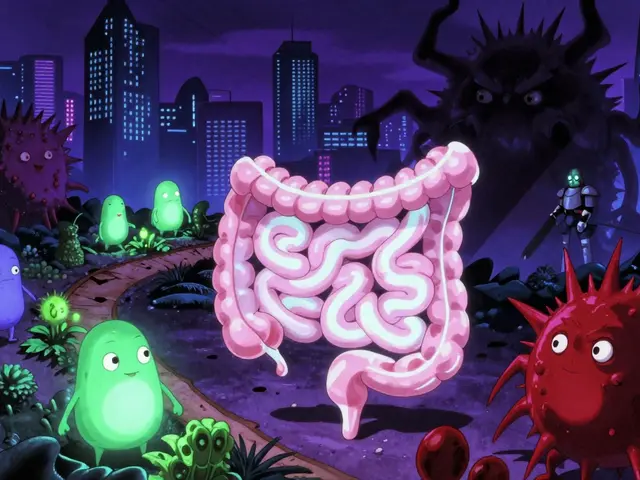
Colon Pouches: Understanding Diverticulosis, Risks, and Management
When you hear colon pouches, small bulging sacs that form in the wall of the colon, often due to pressure and weak spots in the muscle. Also known as diverticula, they’re not a disease by themselves—but they can lead to one. About half of people over 60 have them, and most never know it. But when these pouches get inflamed or infected, that’s when trouble starts—and that’s called diverticulitis, a painful condition where colon pouches become infected, often causing fever, bloating, and sudden abdominal pain. It’s not rare. In fact, it’s one of the top reasons people over 50 end up in the ER with stomach issues.
What causes colon pouches? It’s not just aging. A low-fiber diet over decades plays a big role. When you don’t eat enough vegetables, beans, or whole grains, your stool gets harder, and your colon has to squeeze harder to move it. That constant pressure pushes weak spots outward, forming pouches. It’s like a balloon slowly bulging where the rubber is thin. Once they form, they don’t go away. But you can stop them from getting worse. Eating more fiber—25 to 30 grams a day—helps keep things moving smoothly and reduces pressure. Drinking enough water matters too. And while you might have heard to avoid nuts and seeds, research now shows those foods don’t trigger flare-ups. In fact, they’re part of a healthy diet for colon health.
Not everyone with colon pouches needs treatment. Many live with them their whole lives without symptoms. But if you start feeling pain on the lower left side, have a fever, or notice changes in bowel habits, don’t wait. That’s diverticulitis, a condition that can lead to abscesses, perforations, or even sepsis if ignored. Doctors usually treat it with antibiotics, rest, and sometimes a liquid diet. In severe cases, surgery may be needed. But prevention is better than cure. The best defense? Stay active, eat fiber-rich foods, and don’t ignore early warning signs. You don’t need fancy supplements or expensive diets—just consistent, simple habits.
The posts below cover everything from how colon pouches connect to other digestive issues, what medications help or hurt, how diet changes can prevent flare-ups, and what newer research says about managing them without surgery. Whether you’re dealing with symptoms now or just want to protect your gut long-term, you’ll find clear, practical advice here—no jargon, no fluff, just what works.
Diverticulitis: Understanding Inflamed Pouches and Modern Treatment Approaches
By Lindsey Smith On 4 Dec, 2025 Comments (12)
Diverticulitis is inflammation of small pouches in the colon, causing severe abdominal pain and fever. Modern treatment avoids antibiotics for mild cases, focuses on fiber, and uses surgery only when necessary. Learn what works now.
View More