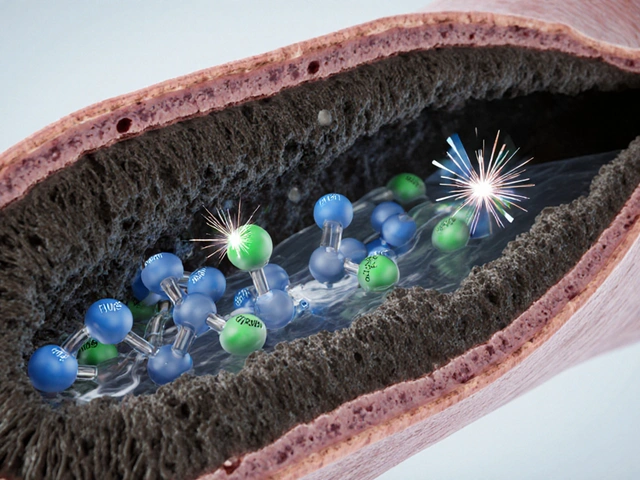
Digital Pill Sensors: How Smart Pills Track Medication Use
When you swallow a pill, you expect it to work—but what if you forget to take it? digital pill sensors, tiny electronic chips embedded in pills that send signals when ingested. Also known as ingestible sensors, they’re not science fiction—they’re FDA-approved tools helping doctors and patients track whether meds are actually being taken. This isn’t about spying. It’s about fixing a silent problem: up to half of people don’t take their meds as prescribed. For conditions like epilepsy, schizophrenia, or HIV, missing doses can mean hospital visits, worsening illness, or even death.
These sensors work with a patch you wear on your skin. When the pill dissolves in your stomach, the chip activates, sends a signal to the patch, and then to your phone or doctor’s system. The data shows exactly when you took your medicine—not just if you did. That’s huge for people on complex regimens, like those taking five or more pills a day. It’s also used in clinical trials to make sure drug results aren’t skewed by poor adherence. Companies like Proteus Digital Health built the first systems, and now they’re in use for hypertension, mental health, and even opioid recovery programs.
But they’re not magic. The sensor doesn’t tell you if the pill worked—only that it was swallowed. It won’t fix why someone skips doses—cost, side effects, or depression. And privacy? It’s a real concern. Some patients feel watched. Others feel supported. The best use cases? When a doctor and patient agree it’s helpful. Not forced. Not gimmicky. Real. And that’s what you’ll find in the posts below: real stories, real data, and real questions about how digital pill sensors fit into modern care. Whether you’re a patient, caregiver, or clinician, the collection below gives you the facts without the fluff.
Digital Pill Sensors: How Adherence Insights and Side Effect Detection Are Changing Medication Management
By Lindsey Smith On 26 Nov, 2025 Comments (7)

Digital pill sensors track medication intake and detect early side effects using ingestible sensors and wearable patches. Used in mental health, HIV, and chronic disease care, they improve adherence but raise privacy and cost concerns.
View More