Fall Risk: What Causes It and How to Prevent It
When we talk about fall risk, the chance of someone losing balance and falling, which can lead to serious injury or death. Also known as fall hazard, it's not just an older adult problem—it's a medical signal that something deeper is off. A fall isn't an accident; it's often the first sign of something wrong inside the body. Think of it like a warning light on your car’s dashboard—it doesn’t mean the car is broken, but it’s telling you to check the engine.
Fall risk connects to many hidden health issues. For example, elderly medication dosing, how older bodies process drugs differently, often requiring lower doses to avoid side effects can directly increase fall risk. Many seniors take multiple medications that make them dizzy, sleepy, or unsteady. A drug meant to help their blood pressure or mood might be the real reason they stumbled. Similarly, peripheral neuropathy, nerve damage that causes numbness or burning in the feet makes it hard to feel the ground. If you can’t tell if your foot is flat on the floor, you’re one misstep away from a fall. And then there’s normal pressure hydrocephalus, a treatable brain condition that causes gait trouble, memory loss, and bladder issues. People with this often walk with small, shuffling steps—like they’re walking on ice—and don’t even realize they’re at risk.
It’s not just about strength or balance. It’s about how your body and brain work together. Medications that affect your nerves, your blood pressure, or your brain chemistry can quietly steal your stability. Even something as simple as standing up too fast after sitting can trigger a fall if your body doesn’t adjust fast enough. The good news? Most fall risks are preventable. Adjusting meds, checking for nerve damage, treating underlying brain conditions—these aren’t just medical steps. They’re lifesavers.
Below, you’ll find real, practical guides from people who’ve studied this. You’ll learn how to spot the hidden causes of falls, what drugs to question, how to tell if gait trouble is normal aging or something serious, and what to do next. No fluff. No guesswork. Just what works.
Falls Risk on Anticoagulants: How to Prevent and Monitor Without Stopping Treatment
By Lindsey Smith On 21 Feb, 2026 Comments (16)
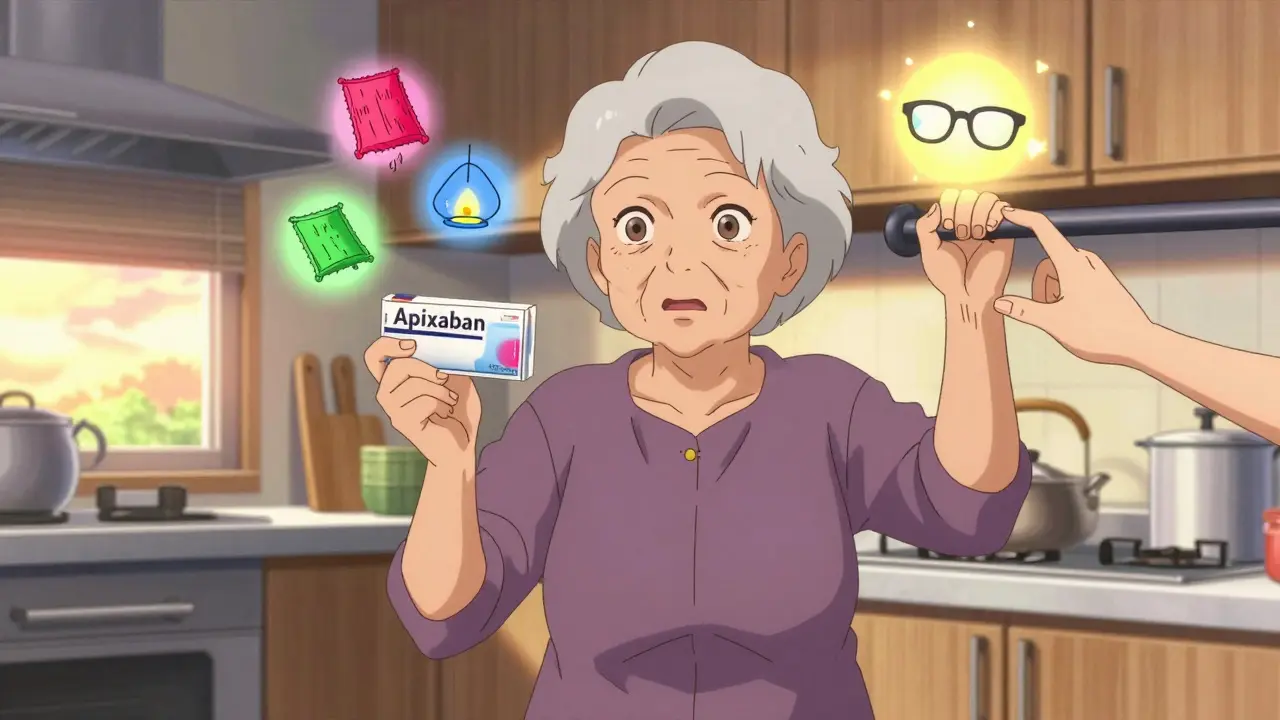
Falls don't mean you should stop blood thinners. Learn why DOACs are safer for older adults, how to reduce fall risk without stopping medication, and when anticoagulation is truly necessary for stroke prevention.
View MoreAnticoagulants in Seniors: Balancing Fall Risk and Stroke Prevention
By Lindsey Smith On 1 Dec, 2025 Comments (8)

Anticoagulants reduce stroke risk in seniors with atrial fibrillation far more than they increase bleeding risk from falls. Learn why guidelines recommend these drugs even for those over 85 and how to manage fall risks safely.
View More