Geriatric Pharmacology: How Medications Work for Older Adults
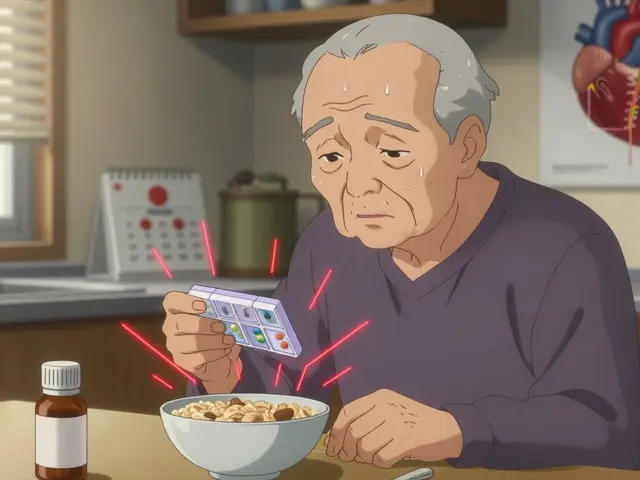
When we talk about geriatric pharmacology, the study of how drugs affect older adults and how their bodies process medicines differently than younger people. It's not just about giving smaller doses—it's about understanding how aging changes everything from how fast a pill is absorbed to how long it stays in the body. As people get older, their liver and kidneys don’t work as efficiently. That means drugs like statins, blood pressure pills, or pain relievers can build up to dangerous levels even at normal doses. This isn’t theoretical—it’s why seniors are six times more likely to be hospitalized for adverse drug reactions than younger adults.
polypharmacy, the use of five or more medications at once is common in older adults, often because they’re managing diabetes, arthritis, heart disease, and depression all at once. But each new drug adds risk. For example, combining a blood thinner like warfarin with an NSAID like ibuprofen can cause dangerous bleeding. Or taking an anticholinergic drug like diphenhydramine (common in sleep aids) with certain heart medications can lead to confusion, falls, or even delirium. These aren’t rare mistakes—they happen every day in clinics and homes.
age-related metabolism, how the body’s ability to break down and clear drugs slows with age affects everything from how quickly a drug kicks in to how long it lasts. A drug that works fine for a 40-year-old might linger for days in an 80-year-old, increasing side effects like dizziness, nausea, or memory lapses. Even something as simple as grapefruit juice—known to interfere with statins—can have stronger, more dangerous effects in older patients because their liver enzymes are already less active.
Doctors aren’t always trained to spot these risks. Many prescriptions are handed out without reviewing the full list of medications a senior is taking. That’s why understanding medication safety in seniors, the practice of choosing drugs that minimize harm while maximizing benefit for older patients is so critical. It’s not just about avoiding bad reactions—it’s about asking: Is this drug still needed? Is there a safer alternative? Could a lower dose work just as well?
The posts below dive into real cases where drug interactions, dosing mistakes, or outdated practices put older patients at risk. You’ll find clear breakdowns of how common medications behave in aging bodies, why certain combinations are dangerous, and how to spot warning signs before it’s too late. Whether you’re caring for an elderly parent, managing your own prescriptions, or just want to understand why older adults react differently to medicine, this collection gives you the facts you need to make smarter, safer choices.
Medication Dosage Adjustments for Aging Bodies and Organs: What Seniors and Caregivers Need to Know
By Lindsey Smith On 15 Nov, 2025 Comments (16)
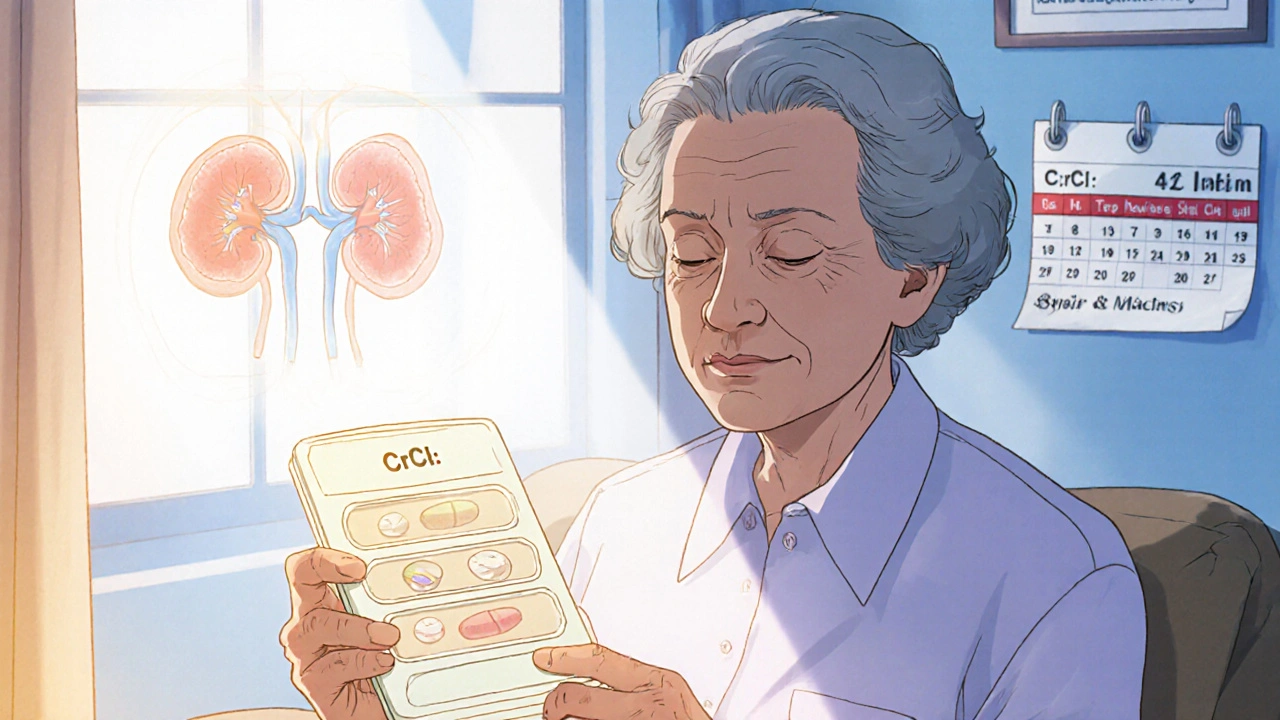
Aging changes how your body handles medication. Learn why seniors need lower doses, which drugs are risky, how kidney function affects dosing, and what you can do to avoid dangerous side effects.
View More