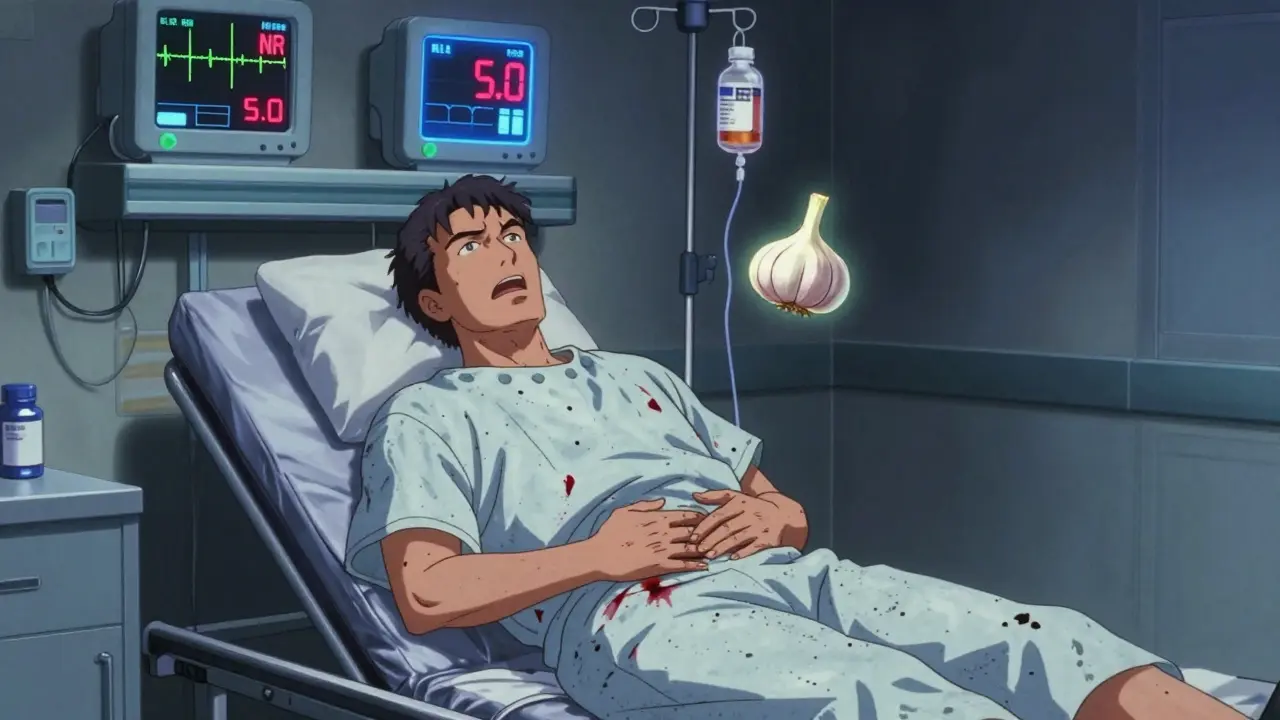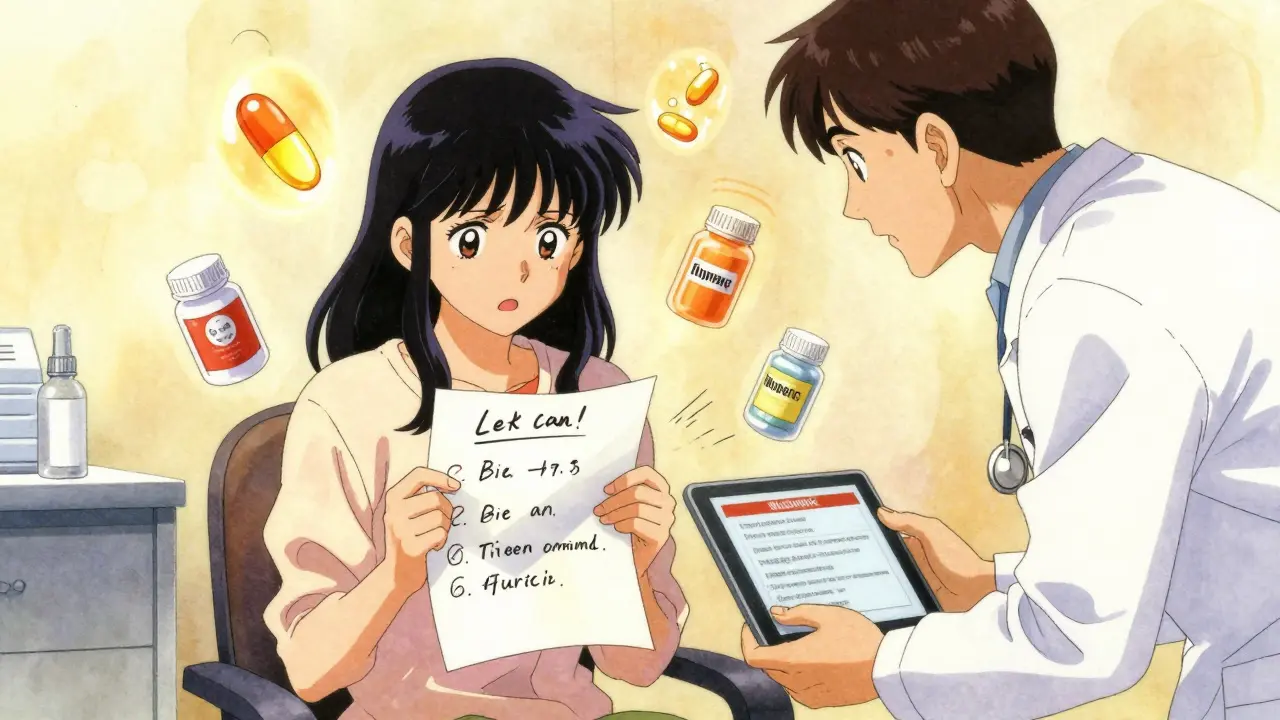
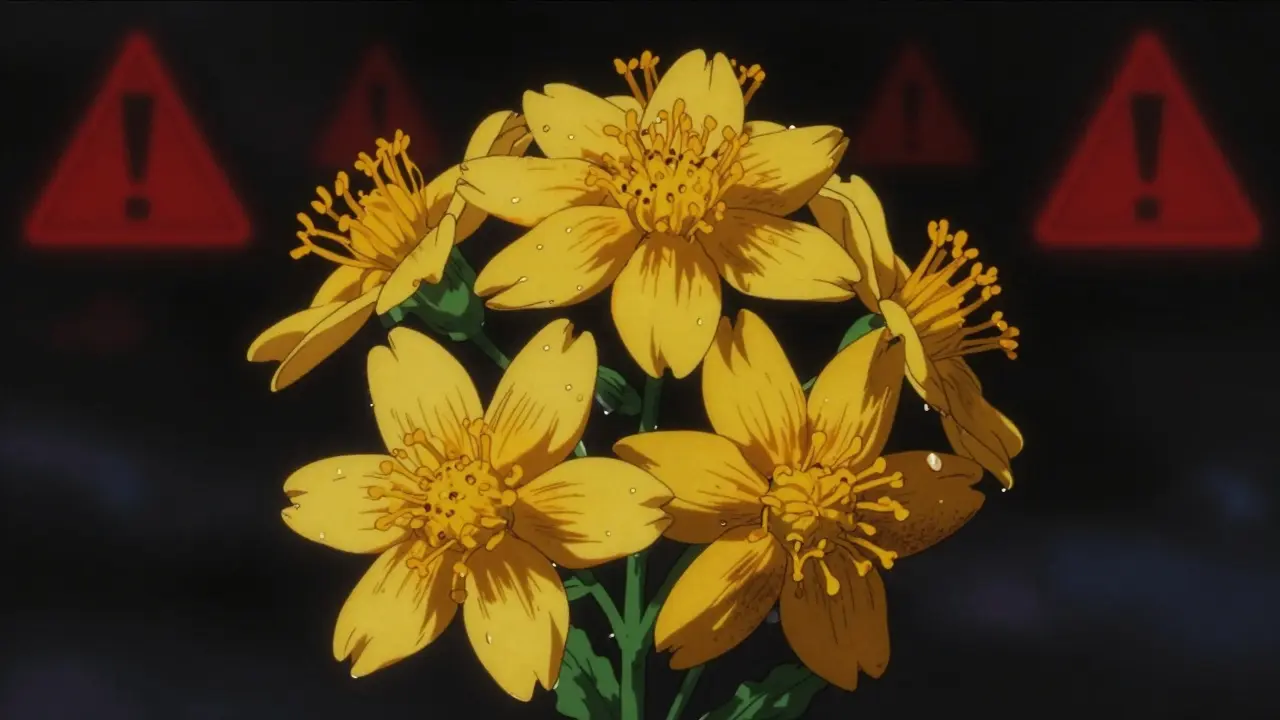
You might think that because it is sold in a health food store or labeled as 'natural,' St. John’s Wort is harmless. It is a bright yellow flowering plant with a long history of use for mild depression and anxiety. But here is the hard truth: St. John’s Wort is one of the most dangerous herbal supplements when mixed with prescription medications. It does not just sit quietly in your system. It actively changes how your body processes other drugs, often making them less effective or dangerously potent.
If you are taking any daily medication, this herb could be silently undermining your treatment plan. From birth control pills to life-saving transplant drugs, the list of risky combinations is long and serious. Understanding these interactions isn't just about avoiding side effects; it is about keeping your medical treatments working as intended.
How St. John’s Wort Changes Your Body Chemistry
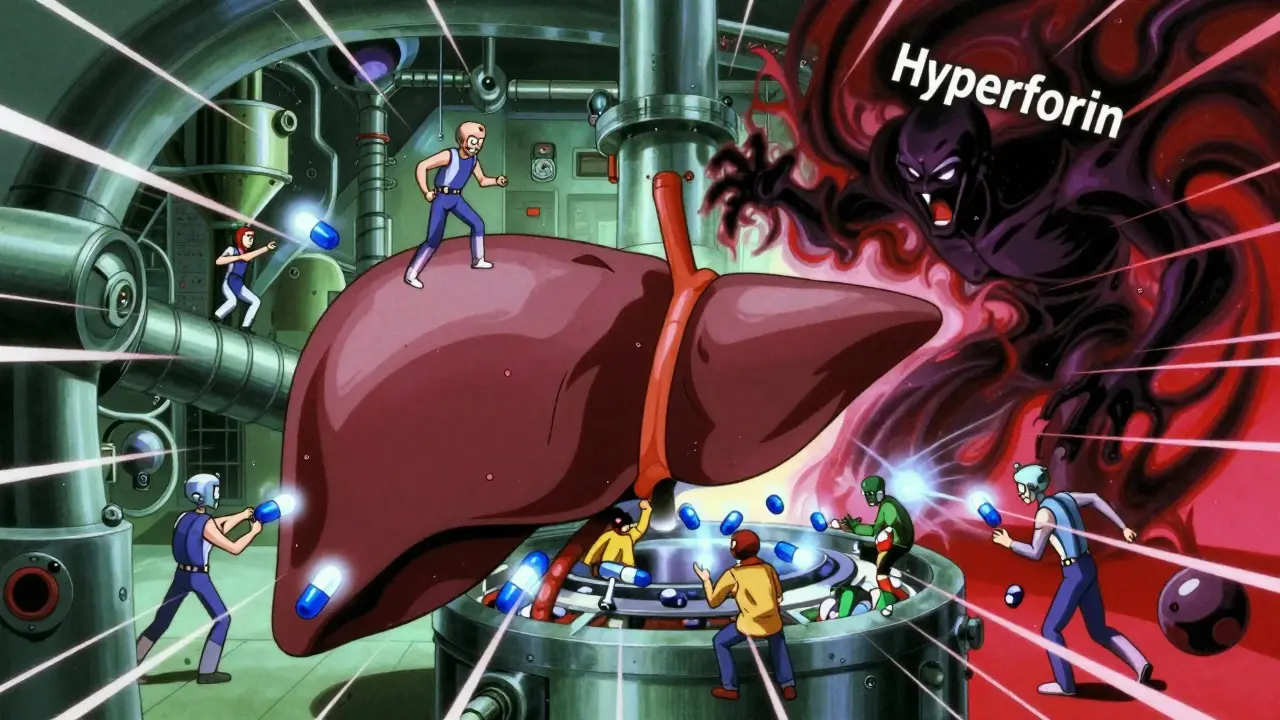
To understand why this herb causes so many problems, we need to look at what happens inside your liver. Your liver uses enzymes, specifically a group called cytochrome P450 (CYP3A4), to break down medications. Think of these enzymes as little workers clearing out drugs from your blood so they don’t build up to toxic levels.
Hyperforin is the active compound in St. John’s Wort responsible for triggering enzyme production. When you take the supplement, hyperforin signals your liver to produce *more* of these enzymes. A study published in the journal *Drug Metabolism and Disposition* found that standardized extracts can increase CYP3A4 activity by two to three times within just seven to fourteen days.
This means your body starts breaking down other medications much faster than normal. The drug leaves your system before it has time to do its job. The result? Lower blood levels of your medication, reduced effectiveness, and potentially serious health consequences. The effect doesn't stop immediately when you quit the herb either; it can take up to two weeks for your enzyme levels to return to normal.
The Most Dangerous Medication Combinations
Not all interactions are created equal, but several carry severe risks. If you are on any of the following medications, you need to know exactly how St. John’s Wort interferes with them.
| Medication Class | Specific Drugs | Interaction Effect | Potential Consequence |
|---|---|---|---|
| Blood Thinners | Warfarin, Phenprocoumon | Decreases INR values significantly | Increased risk of blood clots and stroke |
| Immunosuppressants | Cyclosporine, Tacrolimus | Drops drug levels by 50-60% | Organ transplant rejection |
| HIV Medications | Protease inhibitors (e.g., Indinavir) | Reduces drug absorption by up to 99% | Treatment failure and drug resistance |
| Birth Control | Oral contraceptives | Lowers hormone levels by ~25% | Unintended pregnancy |
| Antidepressants | SSRIs, SNRIs, MAOIs | Increases serotonin excessively | Serotonin syndrome (life-threatening) |
Blood Thinners: A Silent Threat
For patients on anticoagulants like Warfarin is a common blood thinner used to prevent strokes and clots, St. John’s Wort can be deadly. European regulatory authorities recorded dozens of cases where patients experienced unstable INR values (a measure of how long it takes blood to clot) after starting the herb. In one documented case, a patient’s INR dropped from a safe 2.8 to a dangerous 1.4 in just one week. This rapid drop meant their blood was clotting too easily, raising the immediate risk of a stroke or heart attack.
Transplant Patients: Risk of Rejection
If you have had an organ transplant, you likely take immunosuppressants like Cyclosporine is a drug that suppresses the immune system to prevent organ rejection. St. John’s Wort accelerates the breakdown of cyclosporine, causing blood levels to plummet by more than 50%. The European Medicines Agency issued specific warnings after reviewing cases where this interaction led to acute transplant rejection. For some patients, this mistake has meant losing the transplanted organ entirely.
HIV Treatment Failure
People living with HIV rely on protease inhibitors to keep the virus suppressed. Research shows that St. John’s Wort can reduce the amount of these drugs in the bloodstream by nearly 60% on average, with some individuals seeing drops of up to 99%. This allows the virus to replicate freely, leading to treatment failure and the development of drug-resistant strains of HIV. Health guidelines explicitly state that St. John’s Wort should never be taken with these medications.
Birth Control Pills
This is perhaps the most common surprise for users. Women taking oral contraceptives who add St. John’s Wort may see a significant reduction in estrogen and progestin levels. The Swedish Medical Products Agency documented nearly 50 cases of contraceptive failure linked to this herb between 2000 and 2003, including confirmed pregnancies. If you rely on the pill, adding this supplement is essentially removing your protection without your knowledge.
The Danger of Serotonin Syndrome
While most interactions involve St. John’s Wort making other drugs *less* effective, there is one scenario where it makes things *too* strong. This happens when you combine it with other antidepressants.
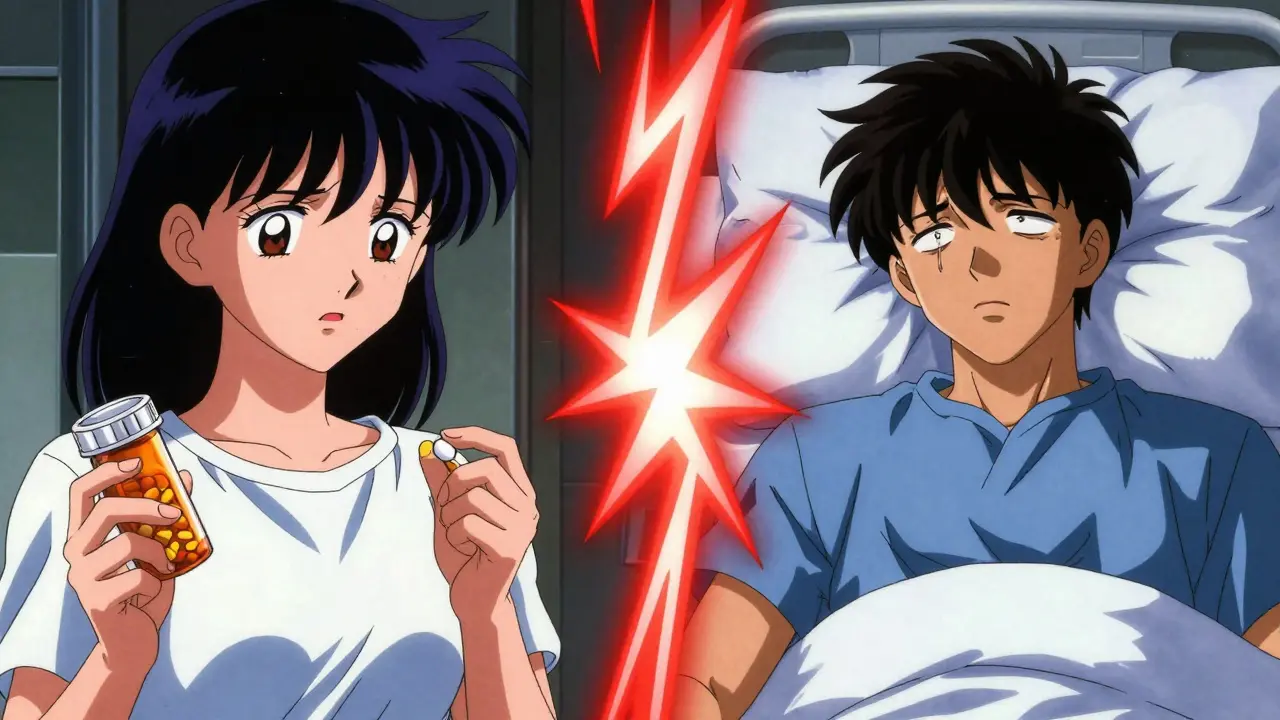
St. John’s Wort increases serotonin levels in the brain. So do SSRIs (like fluoxetine or sertraline), SNRIs (like venlafaxine), and MAOIs. Taking them together can cause a dangerous buildup of serotonin known as Serotonin Syndrome is a potentially life-threatening condition caused by excessive serotonin activity.
Symptoms include heavy sweating, rapid heartbeat (over 100 beats per minute), muscle spasms, confusion, and agitation. In severe cases, it can lead to seizures, irregular heartbeat, and unconsciousness. A 2021 report detailed an 18-year-old man who developed paranoid behavior and high blood pressure after mixing St. John’s Wort with other supplements that affect serotonin. He required emergency hospitalization. If you are already on prescription antidepressants, do not add this herb without strict medical supervision.
Other Notable Interactions
Beyond the major categories, several other common medications are affected:
- Anxiety Medications: Benzodiazepines like alprazolam (Xanax) can become less effective. Studies show a 40% reduction in drug exposure, meaning your anxiety may not be controlled.
- Heart Medications: Digoxin, used for heart failure, sees a 25% drop in serum concentrations due to increased transport out of cells.
- Seizure Medications: Antiepileptic drugs like phenytoin can decrease in plasma concentration by up to 46%, increasing the risk of breakthrough seizures.
What You Should Do Now
Knowledge is your best defense. Here is how to stay safe if you are considering or currently using St. John’s Wort.
- Check Your Meds: Look at every prescription, over-the-counter drug, and supplement you take. If it treats depression, anxiety, heart conditions, HIV, or prevents pregnancy, assume it interacts.
- Talk to Your Pharmacist: Pharmacists are trained to spot these interactions. Ask them specifically about St. John’s Wort. They can check databases that track hundreds of documented interactions.
- Wait Periods Matter: If you switch from a prescription antidepressant to St. John’s Wort, wait at least 14 days to avoid serotonin syndrome. Conversely, if you stop St. John’s Wort, wait two weeks before starting a new medication that relies on CYP3A4 metabolism, as your liver enzymes will still be elevated.
- Look for Warnings: Regulatory bodies like the FDA and European Food Safety Authority now require stronger warnings on labels. Look for bolded text about drug interactions. If a label lacks this, it may not meet current safety standards.
New research is exploring hyperforin-free extracts that might offer antidepressant benefits without the enzyme-inducing risks. However, these are not yet widely available or fully approved for general use. Until then, standard St. John’s Wort remains a high-risk supplement for anyone on medication.
Can I take St. John’s Wort with ibuprofen or aspirin?
While St. John’s Wort does not have a major direct interaction with ibuprofen or low-dose aspirin, it can interact with blood thinners like warfarin. If you take aspirin for heart protection, consult your doctor, as the combination could theoretically alter bleeding risks, though the primary concern is with stronger anticoagulants.
How long does it take for St. John’s Wort to start affecting other medications?
The enzyme-inducing effects typically begin within 7 to 14 days of starting the supplement. This means you might feel fine initially, but your other medications could become less effective within two weeks.
Is St. John’s Wort safe for children?
There is limited safety data for children. Because of the potential for serious drug interactions and lack of extensive pediatric studies, it is generally recommended to avoid St. John’s Wort in children unless prescribed and monitored by a specialist.
Does St. John’s Wort interact with alcohol?
St. John’s Wort can increase the breakdown of certain substances, but its interaction with alcohol is complex. It may reduce the sedative effects of some drugs metabolized by the liver, but combining it with alcohol can still worsen depression symptoms and increase the risk of accidents. It is best to limit alcohol consumption while taking this supplement.
Are there safer alternatives to St. John’s Wort for mild depression?
Yes. Lifestyle changes such as regular exercise, cognitive behavioral therapy (CBT), and adequate sleep have strong evidence for treating mild depression. Other supplements like S-adenosylmethionine (SAMe) or omega-3 fatty acids may have fewer drug interactions, but you should always consult your healthcare provider before starting any new treatment.